Stiff Achilles tendon in the morning: what does it mean?

Do you regularly wake up with a stiff or sensitive Achilles tendon? Many athletes recognize this: the first steps out of bed feel stiff, while the complaints subside later in the day. That difference between morning and afternoon is no coincidence. Your body reacts to inactivity, temperature, and the exertion of the previous day. Morning stiffness does not automatically mean an injury, but it is a signal you should take seriously, especially if the pattern keeps repeating.

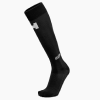
At Herzog, we often see that athletes with recurring morning stiffness in the Achilles tendon benefit from a combination of well-structured training and targeted support. For example, Herzog compression socks are worn after a workout or on a rest day to support blood circulation in the lower leg. This is not a quick fix, but a supplement to what you already do: warming up gently, building up gradually, and listening to the signals from your calf and tendon.


Side Image

What makes your Achilles tendon feel stiff in the morning?

During the night, your lower leg remains still for hours, which slows down blood circulation around the Achilles tendon and makes the tissue less flexible. During the day, movement warms up tendons and muscles, but at night, this stimulus is completely absent. The result is that the tendon and surrounding tissue feel somewhat stiffer as soon as you get out of bed. This is a normal physiological process, similar to how muscles also feel a bit stiffer in the morning than after a warm shower or a short walk.

In athletes who have trained intensely, for example after a long run or a strenuous workout, morning stiffness can be more pronounced. The tendon has then already experienced some micro-stress and has little chance to recover during the night due to limited blood circulation. This is often seen in runners and walkers who increase their training intensity too quickly. More about the relationship between exertion and the tendon can be found on the page about running.

In addition to training load, age, footwear, and terrain also play a role in how stiff your Achilles tendon feels in the morning. Older tendons naturally contain slightly less elasticity, causing stiffness to occur more quickly. Running on hard asphalt or in worn-out shoes can increase the strain on the Achilles tendon, which translates into a stiff feeling the next morning. A sudden switch to a different sport, such as trail running after a period of walking, can also play a role in this.

Side Image

When should you be concerned about your Achilles tendon?

Not all morning stiffness indicates an injury, but there are signs that warrant extra attention. If the discomfort lasts longer than a few minutes, if you feel a clear swelling, or if the pain during walking does not decrease but rather increases, caution is advised. This can indicate overuse of the tendon itself or a developing Achilles tendon injury. More explanation about the different types of tendon complaints can be found on the page about Achilles tendon injury.

Sometimes stiffness in the Achilles tendon is related to complaints elsewhere in the lower leg, such as a stiff calf or heel pain. Anyone who experiences pain under the heel in addition to morning stiffness should not rule out the possibility of plantar fasciitis. A tight or tired calf muscle can also increase the tension on the Achilles tendon, making the morning complaints more noticeable.

For persistent swelling around the ankle, a warm or red tendon, or pain that keeps you awake at night, it is advisable to consult a general practitioner or specialist. This is especially true if there is also swelling of the ankles without a clear sports-related cause, as this may indicate another process in the body, such as a vascular problem. If thrombosis or edema is suspected, medical evaluation is always necessary; this is not a complaint to continue monitoring yourself or to adjust training for.

Products in this blog

Side Image

What can you do about a stiff Achilles tendon in the morning?

The first step with morning stiffness is often simple: give your tendon and calf time to warm up before engaging in vigorous activity. Gently bouncing up and down on your toes, carefully stretching the calf, and walking the first few meters at a slow pace help warm up the tissue. A gradual increase in training load, instead of abruptly adding more mileage or speed at once, also prevents the tendon from repeatedly becoming overstimulated. This is especially true for those who have recently switched to a more intensive form of training or a new running schedule.

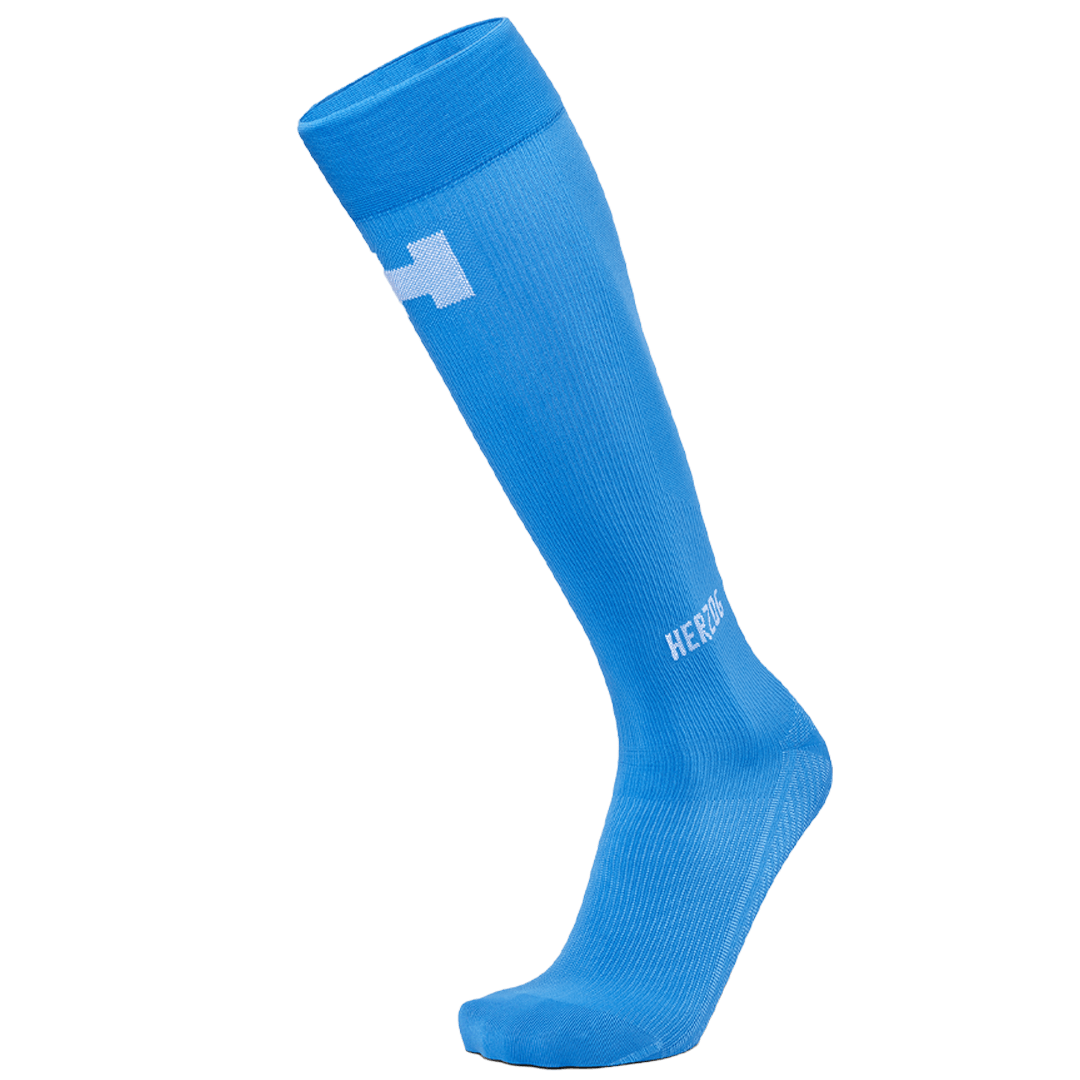
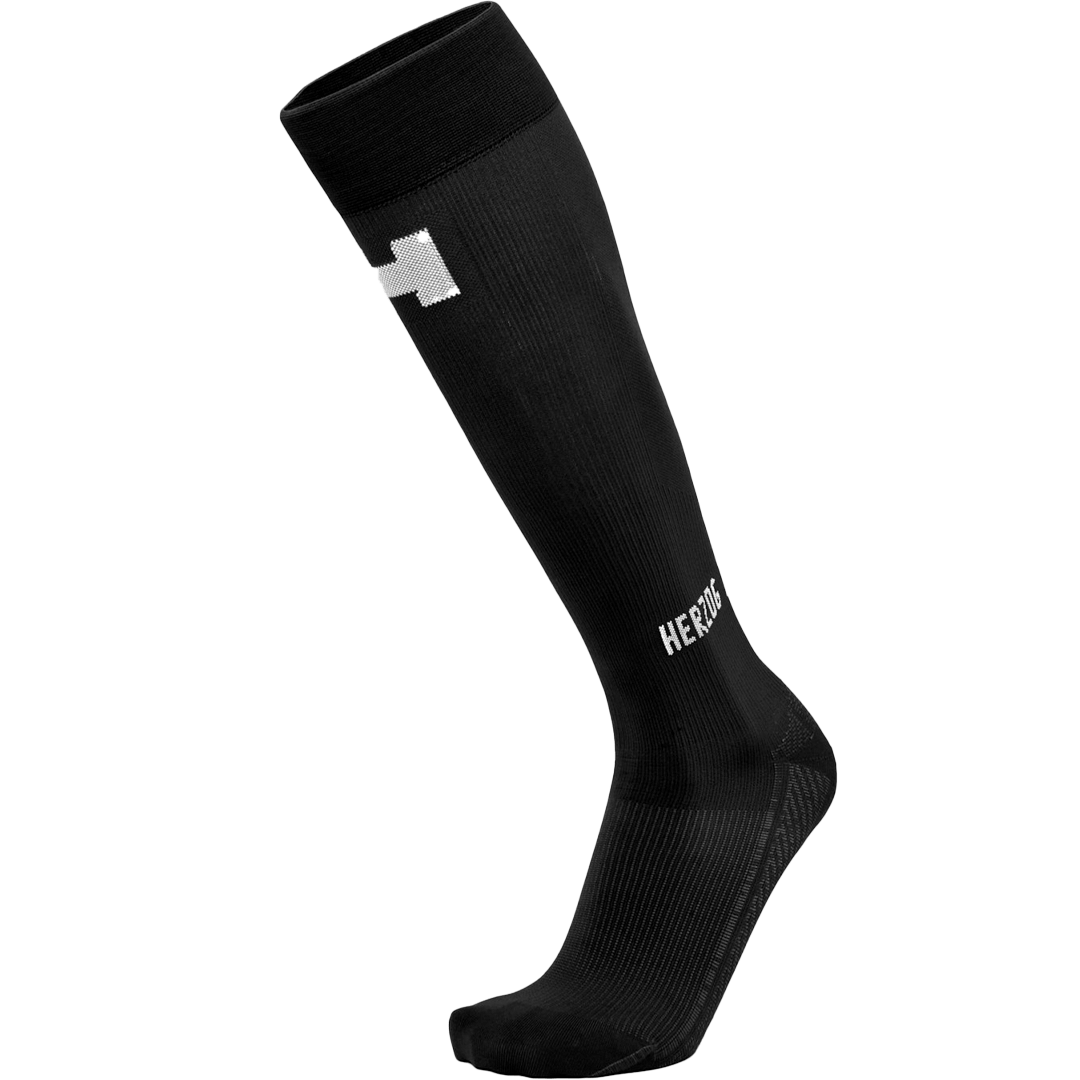
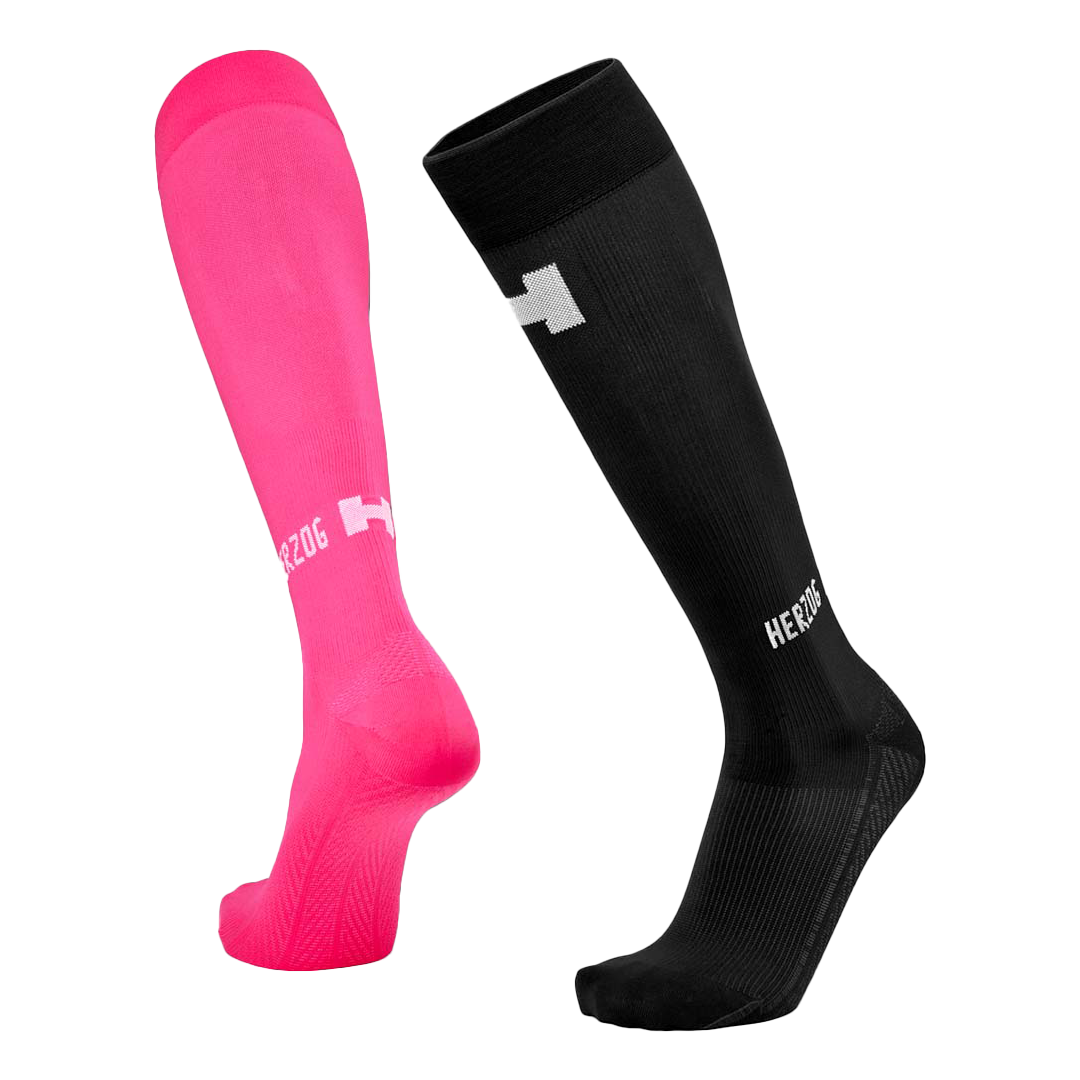
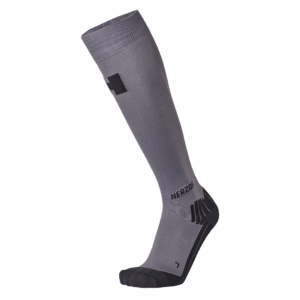
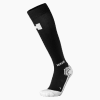
In addition to warming up, recovery after training plays a role in how the tendon feels the next morning. Herzog PRO Compression Socks are often worn by athletes after a training session or competition to provide targeted support to the lower leg during the recovery phase. The controlled gradual pressure distribution is developed from medical compression technology and can contribute to a more pleasant feeling in the calf and tendon after exertion. More information about this mechanism can be found on the page about how compression works.

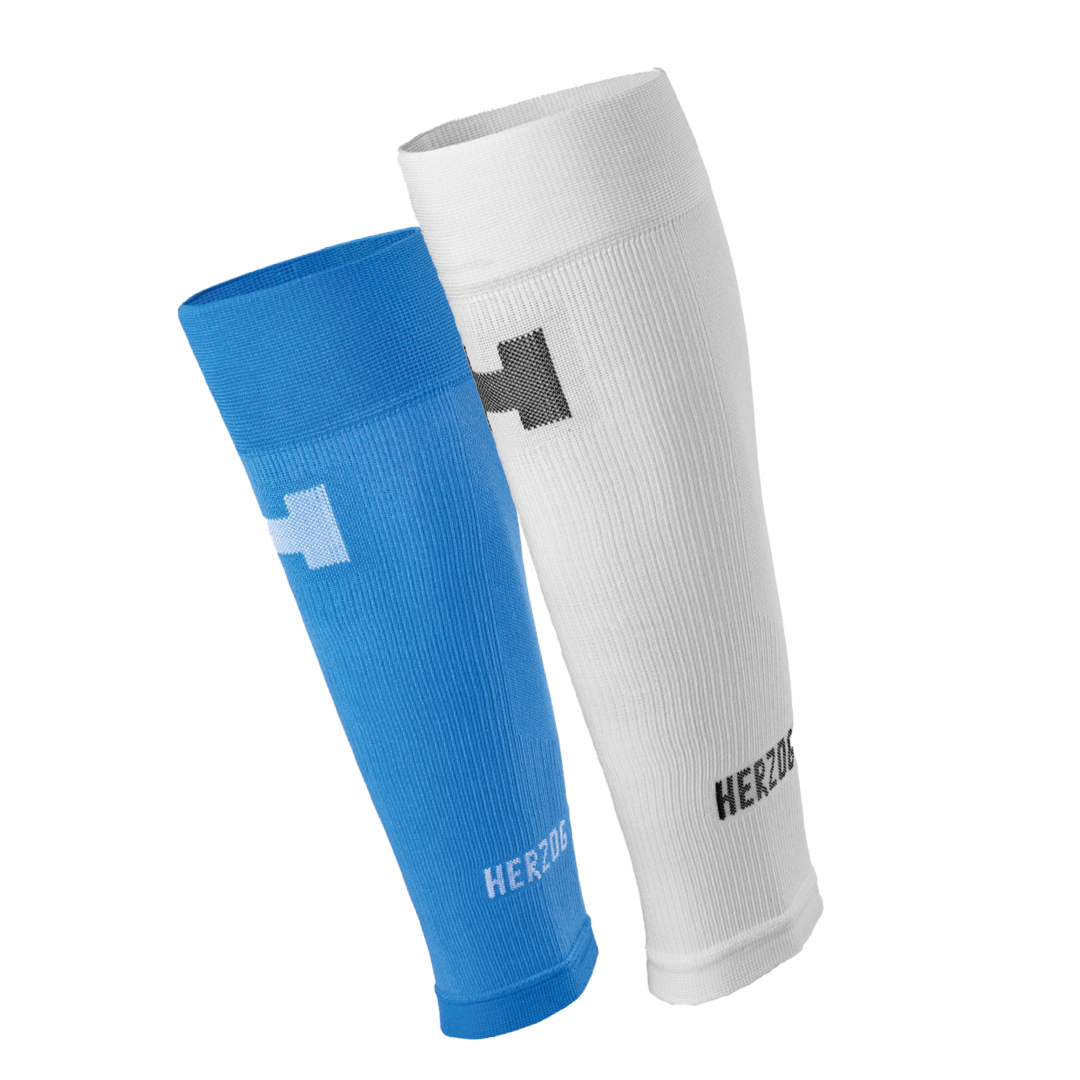
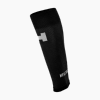
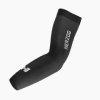
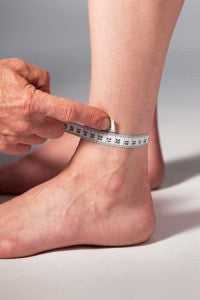
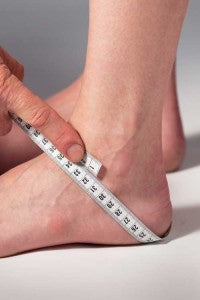
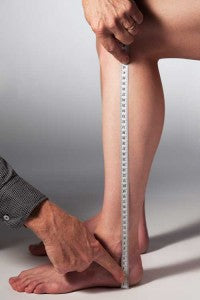
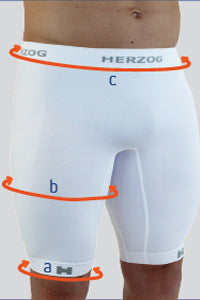
For those who want to focus more specifically on the lower leg, Herzog PRO Compression Tubes offer an option that specifically targets the calf and tendon, without covering the foot. Both products, the PRO Compression Socks and the PRO Compression Tubes, carry an MDR quality mark and are individually fitted at six and four measurement points, which provides a different fit than a standard sock from the store. Those who train regularly and want to pay attention to calf recovery can find more background information on the page about recovering with compression socks.

Frequently Asked Questions

Is a stiff Achilles tendon in the morning always an injury?

No, slight stiffness in the morning is often a normal reaction of the body to inactivity during the night and does not necessarily indicate an injury. Only when the symptoms persist longer, are accompanied by swelling or pain that increases during walking, is it advisable to be alert. If in doubt, it is wise to consult a specialist.

Can compression help with morning stiffness of the Achilles tendon?

Compression does not directly contribute to what happens at night, but many athletes find that targeted support after training contributes to a more pleasant recovery of the calf and tendon. This can indirectly affect how the tendon feels the next morning. It does not replace proper training build-up or sufficient rest.

When should I go to the doctor for Achilles tendon complaints?

Go to the doctor or specialist if the stiffness is accompanied by persistent swelling, redness, warmth, or pain that keeps you awake at night. This also applies if there is doubt about underlying vascular problems such as thrombosis. Continuing to train without assessment is then not advisable.

Relevant blogs

6 Effective tips to prevent and relieve shin splints

Prevent and alleviate shin splints with 6 practical tips for runners. Less pain, faster recovery, and better training.

Treating Whiplash: 3-Phase Recovery with Compression and Cold Therapy

Recovering from a calf strain? Discover the 3 recovery phases and how compression and cold therapy can contribute to optimal and responsible recovery.

All about calf problems: causes, symptoms, and what you can do about them

Suffering from calf complaints? Read all about possible causes, common symptoms, recovery, and what you can do to prevent calf complaints.