The role of compression in recovery after an intense workout or competition

After an intense training session or competition, many athletes feel it immediately: heavy legs, stiff calves, muscles that need extra time to recover. This feeling is familiar to runners, cyclists, and players in intensive team sports, where muscles and tendons are heavily stressed. Tired legs after a long-distance run or a tough competition are not an exception, but rather the norm. More and more athletes are therefore consciously looking at what happens in the hours after exertion.

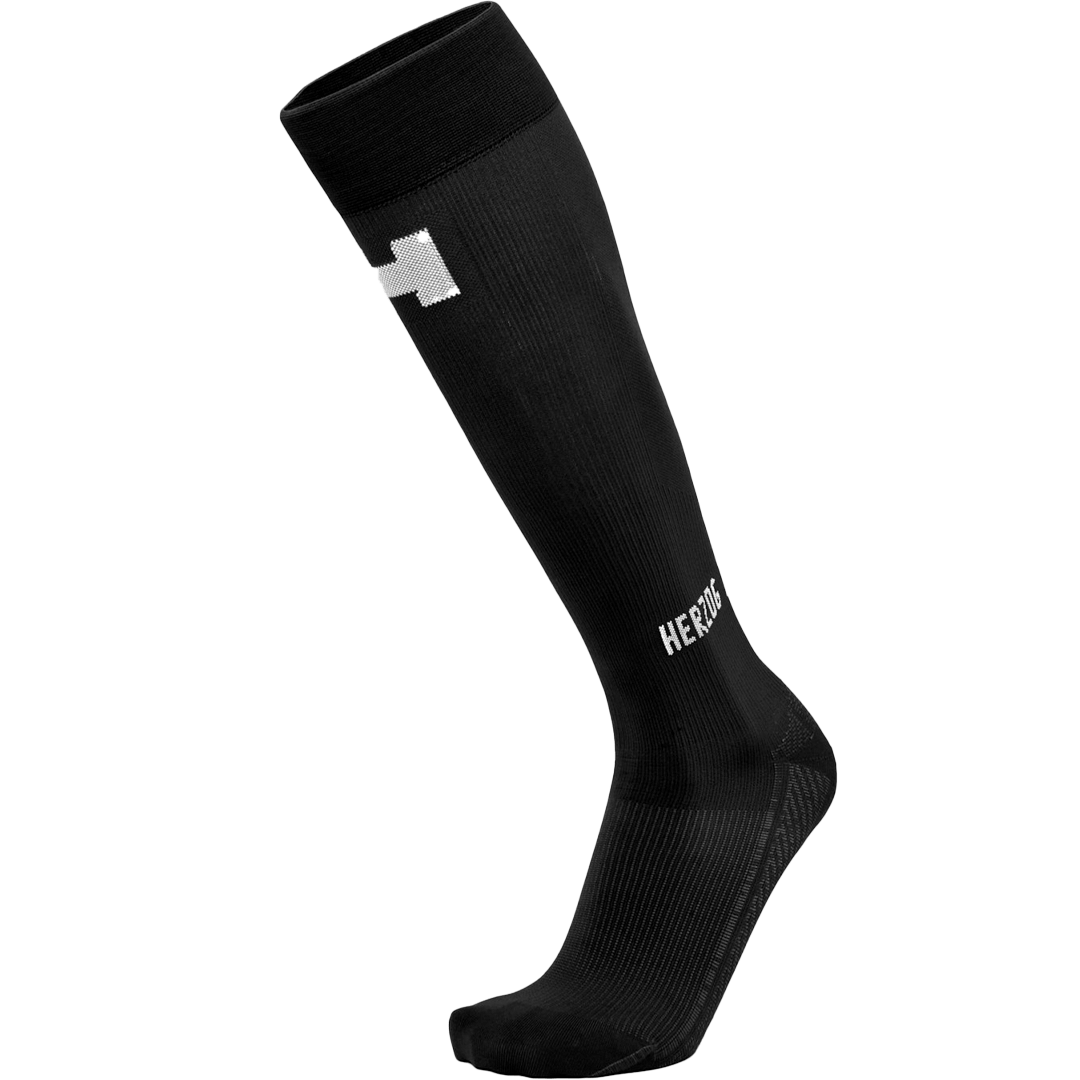
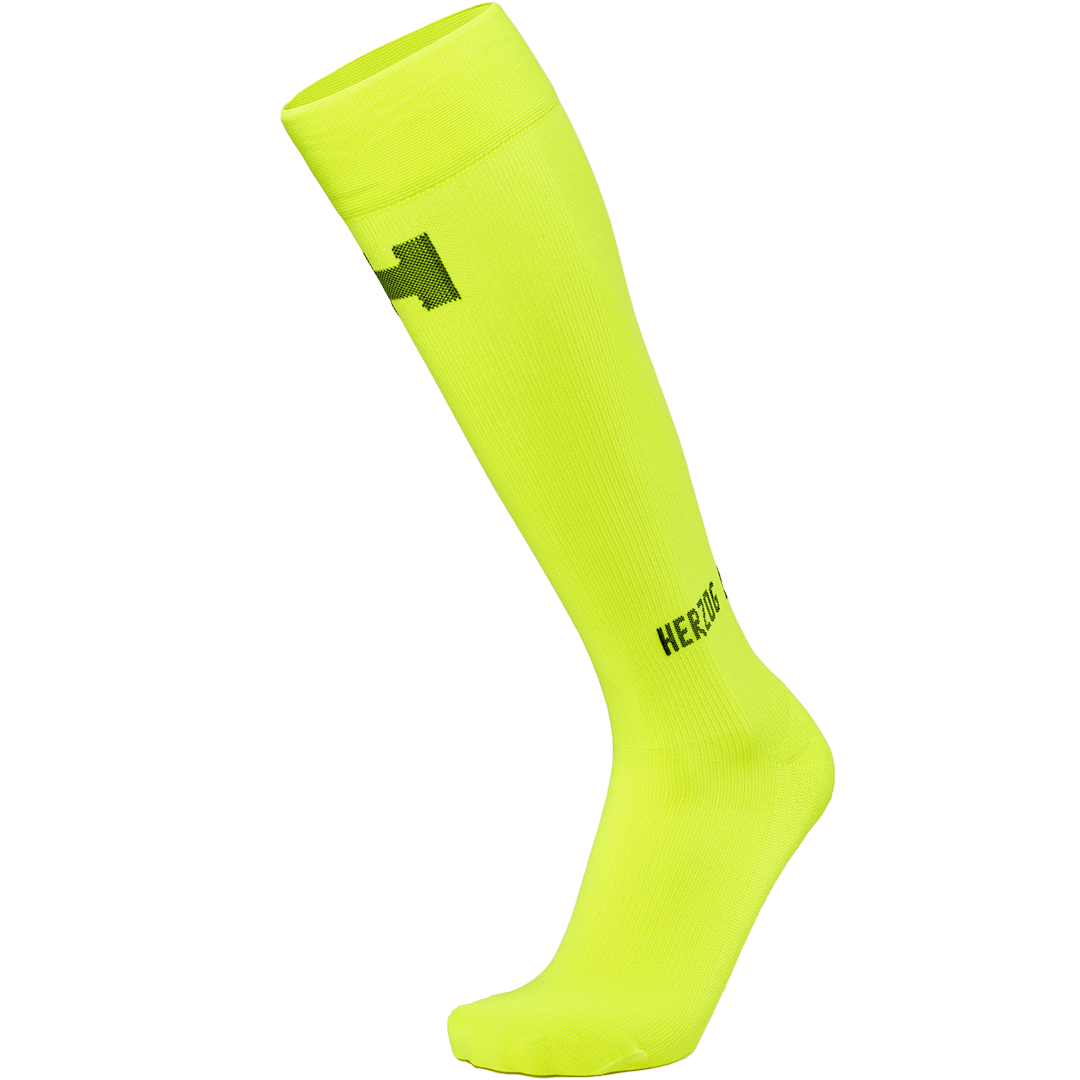
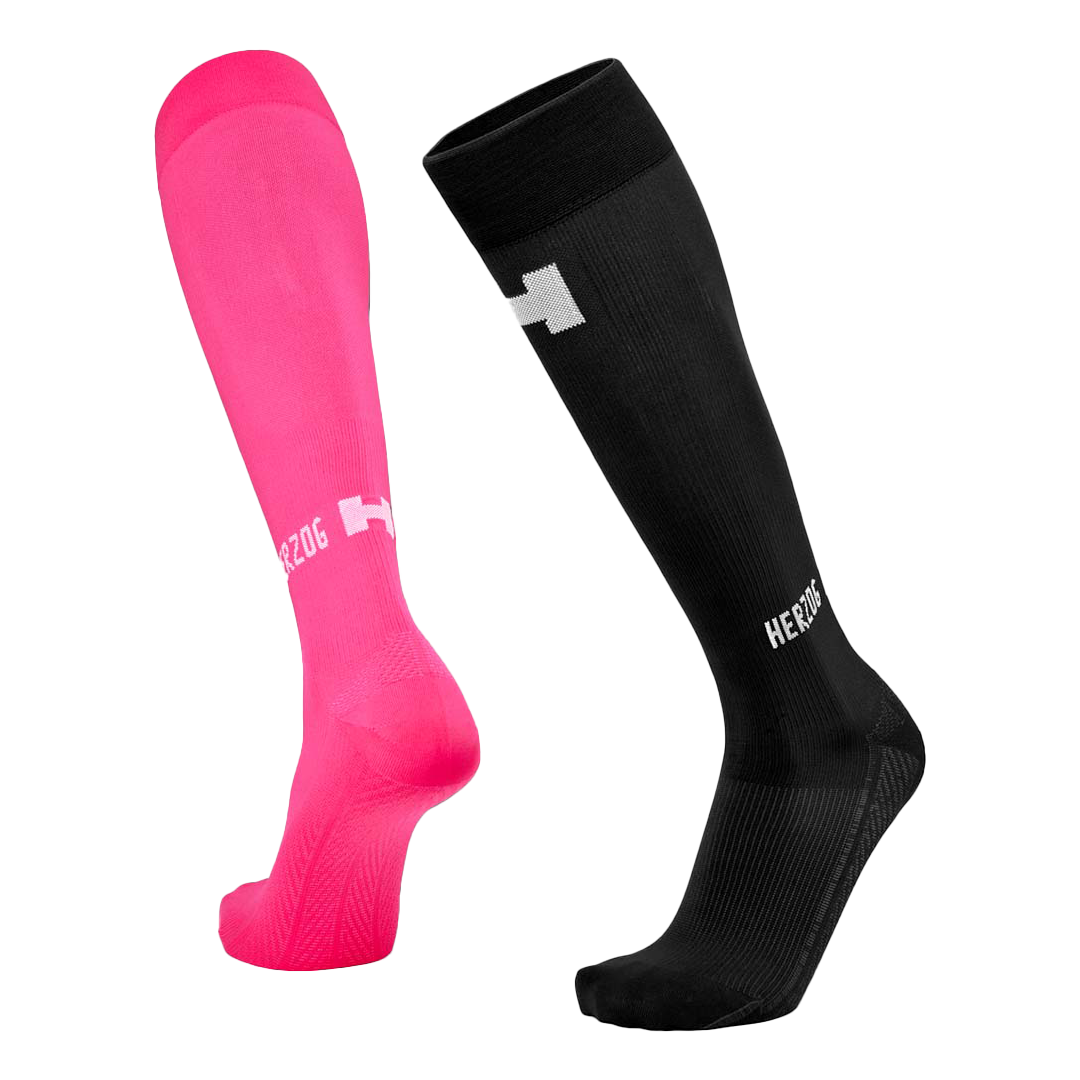
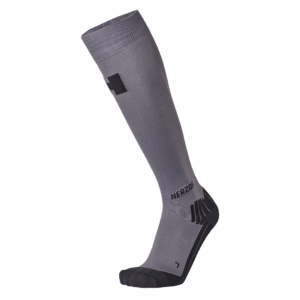
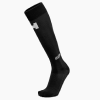
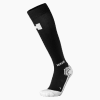
Compression is one of the ways athletes actively contribute to that recovery. At Herzog, you see this reflected in practice: runners and cyclists reach for Herzog compression socks after a tough session to support blood circulation in their legs and give the recovery process a boost. This way, compression is not only used during exercise, but also in the phase that follows.

Side Image

What happens in your muscles after strenuous exercise?

During intensive exercise, microscopic damage occurs in muscle fibers. This is a normal part of training, because it is precisely this recovery process that makes muscles stronger. Meanwhile, fluid accumulates in the tissue and the body works at full speed to remove waste products. A long run, a tough cycling stage, or a race with many sprints demands extra from the blood circulation in the legs. As a result, calves and thighs often feel heavy, tight, or sensitive afterwards, sometimes even during the last kilometers.

Many athletes recognize the feeling of tired legs the day after a tough training session. This can range from a slightly stiff feeling in the calves to muscles that protest with every step. Runners often experience this after a long run or a race with a lot of elevation changes, while cyclists notice it after a tough climb or a long ride. This fatigue is related to the accumulation of fluid and waste products in the tissue, which makes muscles temporarily feel less supple. More explanation about calf complaintsafter exercise shows when it is ordinary fatigue and when it is not.

Insufficient recovery time between training sessions can eventually pose a risk for injuries. Muscles and tendons that have not fully recovered are more susceptible to overuse, which can, for example, contribute to recurring Achilles tendon pain or persistent calf complaints. Especially athletes who run or cycle multiple races in quick succession notice that the build-up of fatigue accumulates if there is no room for recovery. That is why more and more athletes are not only looking at their training schedule, but also at what they do in the hours immediately after exercise.

Side Image

How does compression support your muscle recovery?

Compression works by applying controlled pressure to the tissue, with the most pressure around the ankle and gradually less pressure towards the knee. This gradual build-up supports venous circulation, allowing blood and fluid to be more easily transported towards the heart. For athletes, this means that blood circulation in the legs is actively supported at the moment the body needs it most after strenuous exercise. More explanation about this mechanism can be found under the how compression works, where you can read how pressure build-up works in practice.

At Herzog, this approach has been further developed from medical compression technology, with over twenty years of experience in developing products used by both athletes and healthcare professionals. Herzog's compression technology is based on a controlled gradual pressure distribution, where each part of the leg receives the right amount of pressure. This is an important difference from a standard sports sock, which often applies the same pressure everywhere without taking into account the shape of the leg. It is precisely this build-up that makes the difference between a sock that fits comfortably and a sock that actually contributes to recovery.

Many athletes do not wear compression during sports themselves, but rather in the hours afterwards, for example on the couch, during the car ride home, or in the evening before sleeping. This aligns with the moment when the body is recovering and circulation can use support. More explanation about these types of recovery applications can be found under recovering with compression socks, which describes how athletes incorporate this into their routine. It is not about a quick fix, but about a part of a broader recovery ritual alongside nutrition, sleep, and rest days.

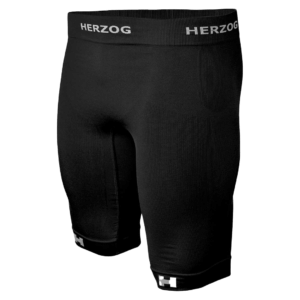
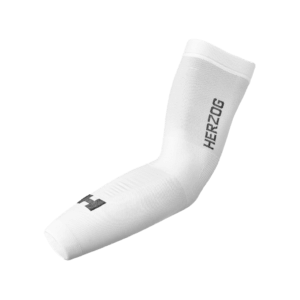
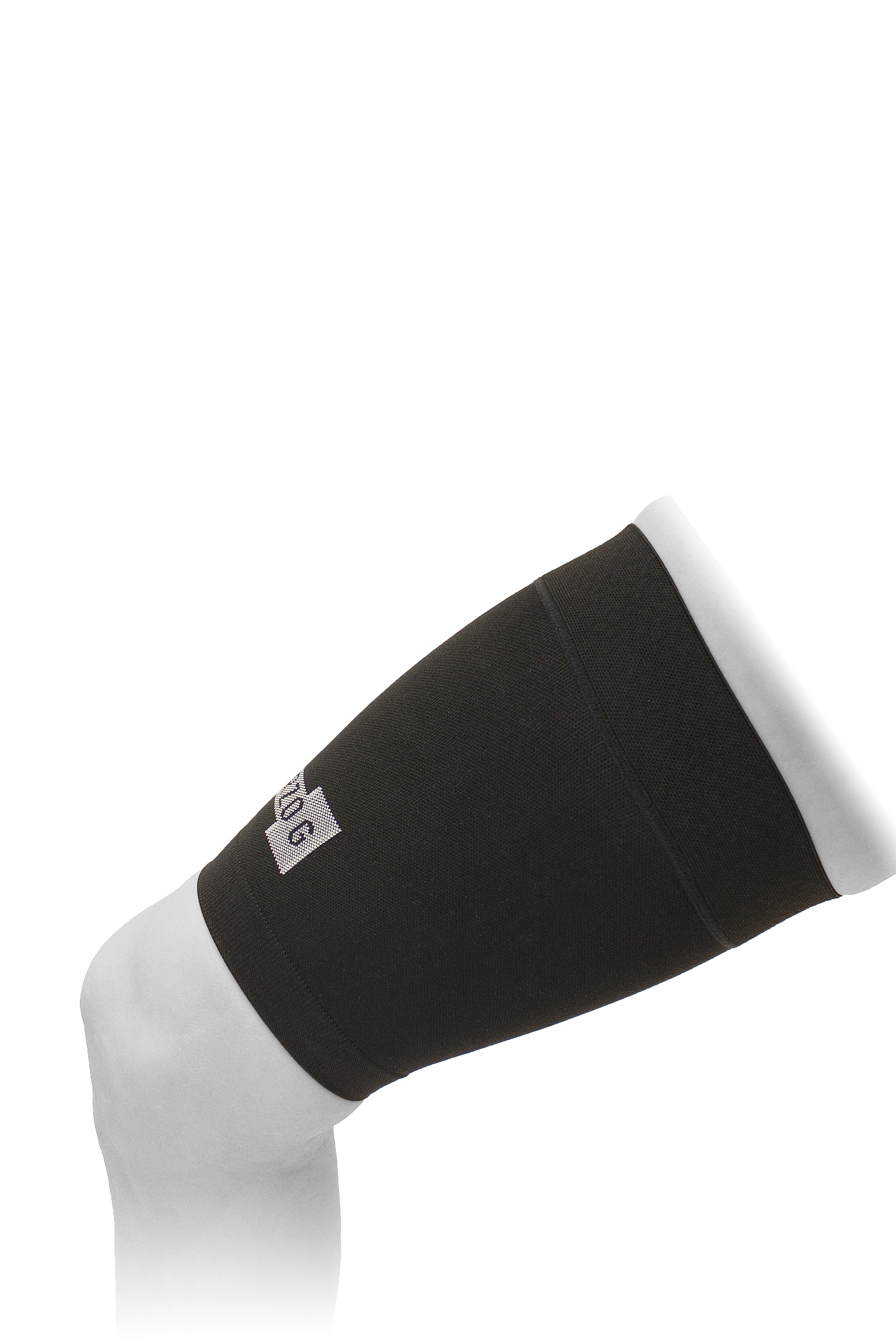
Products in this blog

Side Image

When do you choose extra support like PRO compression?

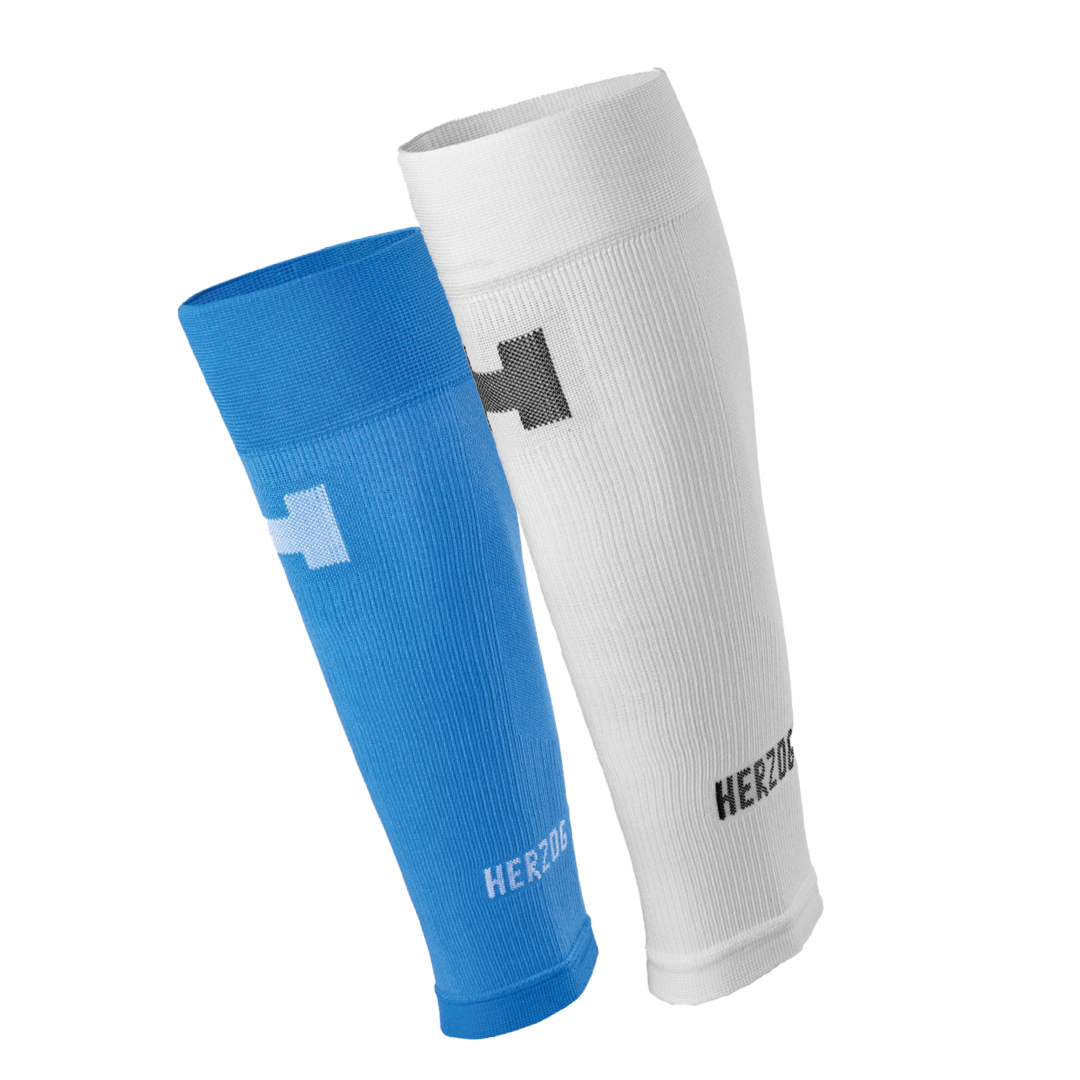
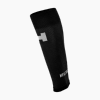
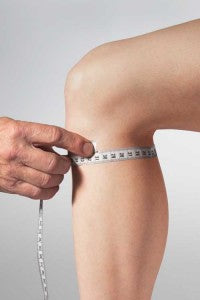
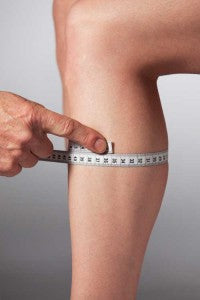
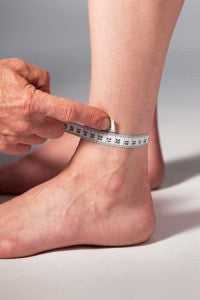
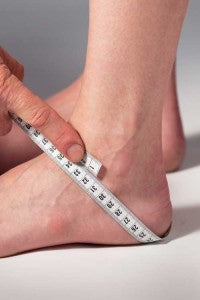
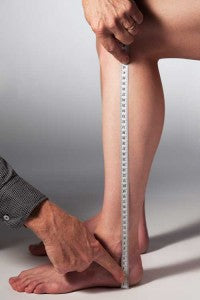
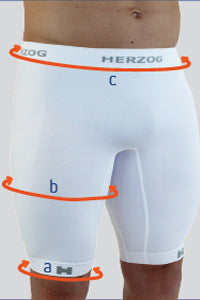
A standard sports sock and a medically-based sock are not the same, even if they sometimes look similar. Herzog PRO Compression Socks and Herzog PRO Compression Tubes are individually measured at six points, so the pressure build-up is tailored to the exact shape of the leg. Both carry an MDR certification, meaning they comply with the requirements for medical devices. This makes them different from a sock you buy without measurement, and explains why some athletes choose custom-made over a standard size.

This extra support is particularly valuable for athletes who regularly have heavy competitions or training blocks consecutively. Consider a marathon runner who starts a new block shortly after a race, or a cyclist who competes multiple days in a row during a multi-day event. Also, for recurring complaints, such as stiff calves after intensive training for cyclingor fatigue after a long trail run on varied terrain, targeted support can be beneficial. In these situations, recovery plays a greater role than with incidental exertion, simply because the body has less time to recuperate.

What the right form of compression is for you depends on how often you exercise, how heavy the load is, and whether recurring complaints have been present for a long time. At Herzog, this knowledge has been applied for over twenty years, from Herzog medical compression stockings for healthcare to compression for athletes looking for support during recovery. For persistent swelling, pain, or fatigue that does not subside, it remains important to discuss this with a general practitioner or specialist, especially with suspicions of thrombosisor varicose veins. Thus, compression remains a part of a broader recovery process, not a replacement for medical advice.

Frequently asked questions

How long do you wear compression after a workout?

That depends on the individual and the type of exertion. Many athletes wear compression for a few hours afterward or during the evening, but it is especially important to listen to your own body and gradually build it up.

Can compression help with stiff calves after exercise?

Compression can contribute to a more comfortable feeling in the calves because it supports blood circulation during recovery. For persistent or recurring complaints, it is advisable to consult a physiotherapist or specialist.

Is compression suitable for every athlete?

Most athletes can use compression without problems during recovery periods after training or competition. For existing vascular conditions, such as thrombosis or varicose veins, it is important to discuss this first with a general practitioner or specialist.

Relevant blogs

6 Effective tips to prevent and relieve shin splints

Prevent and alleviate shin splints with 6 practical tips for runners. Less pain, faster recovery, and better training.

Treating Whiplash: 3-Phase Recovery with Compression and Cold Therapy

Recovering from a calf strain? Discover the 3 recovery phases and how compression and cold therapy can contribute to optimal and responsible recovery.

All about calf problems: causes, symptoms, and what you can do about them

Suffering from calf complaints? Read all about possible causes, common symptoms, recovery, and what you can do to prevent calf complaints.