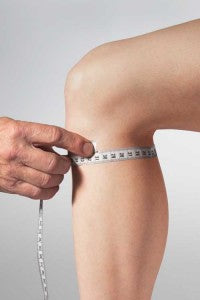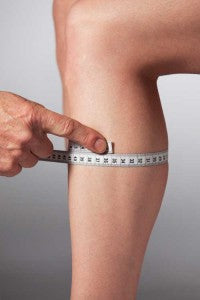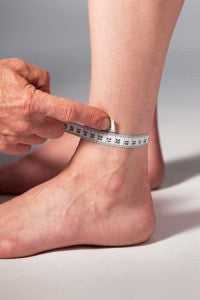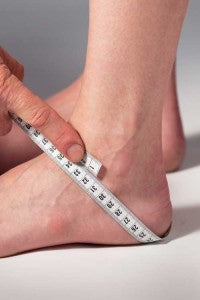

Almost every runner experiences it at some point: tight calves. Sometimes you notice it during the last few kilometres of a long run, sometimes only the next morning when you stiffly get out of bed and the first steps feel heavy. A slight tension in the calves after an intensive training session is normal and part of how muscles recover. However, persistent complaints can significantly hinder your training schedule and require a different approach.
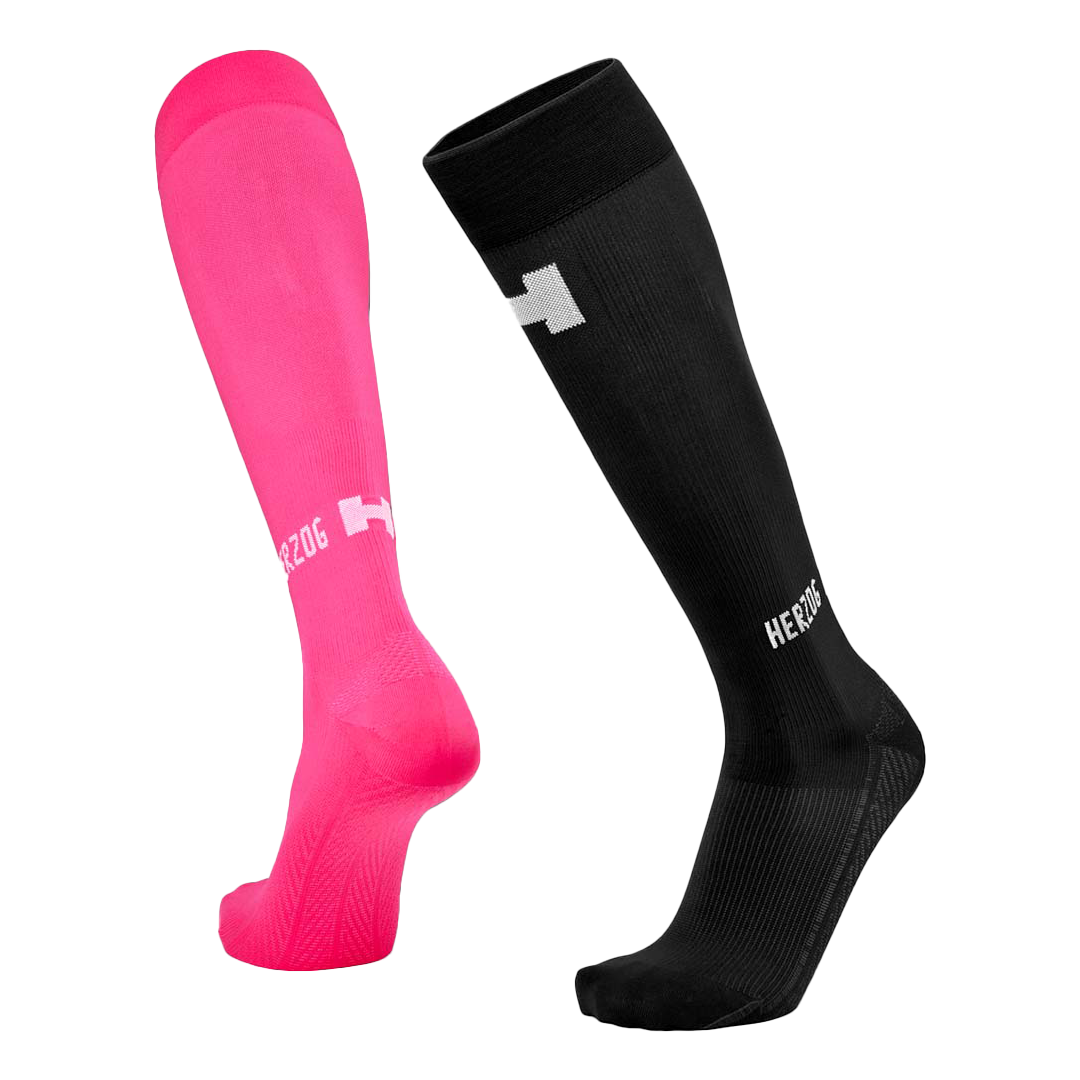
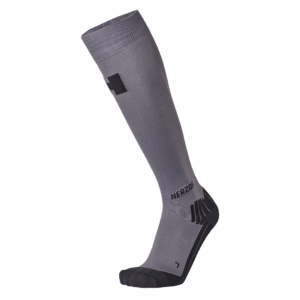
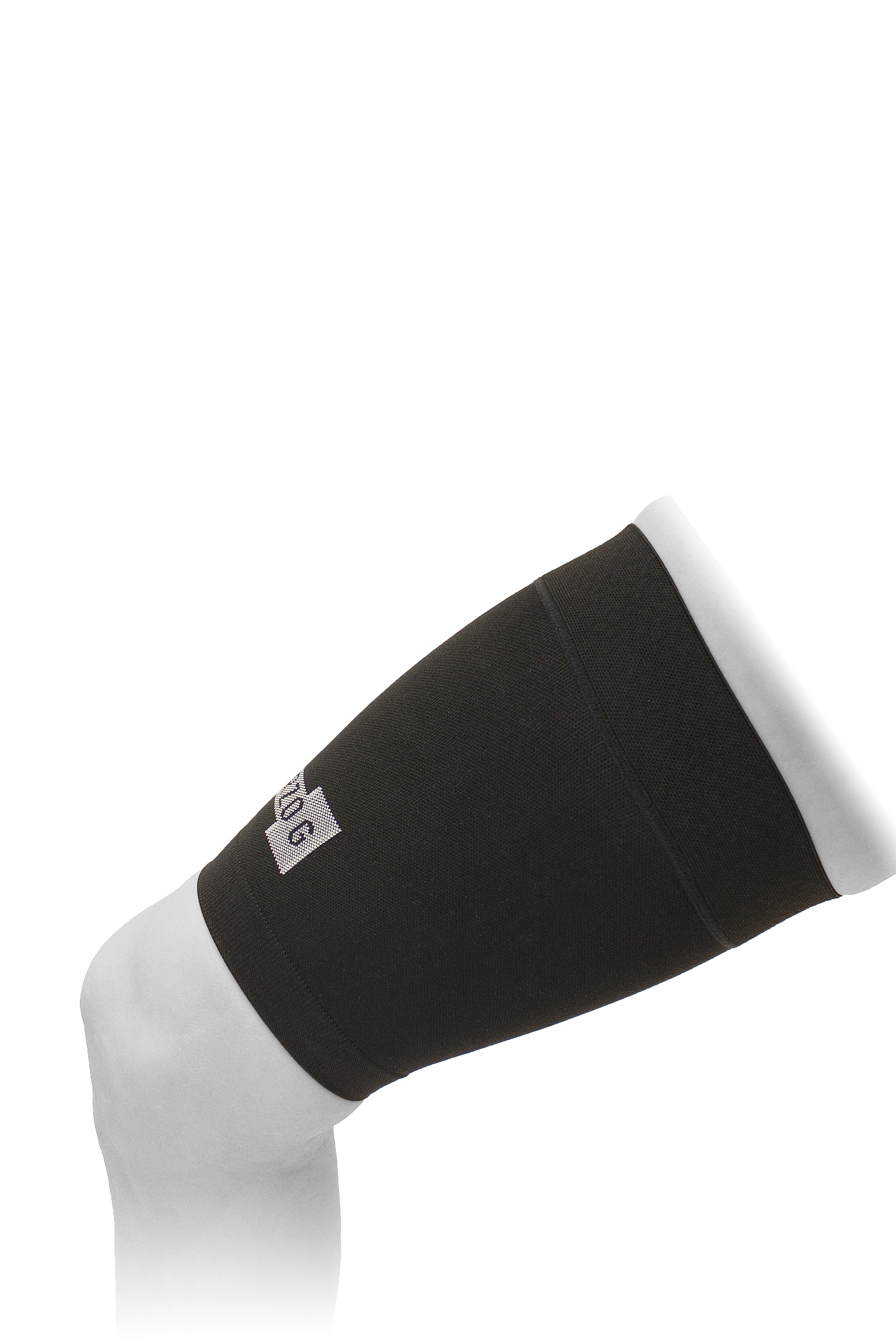
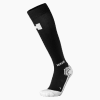
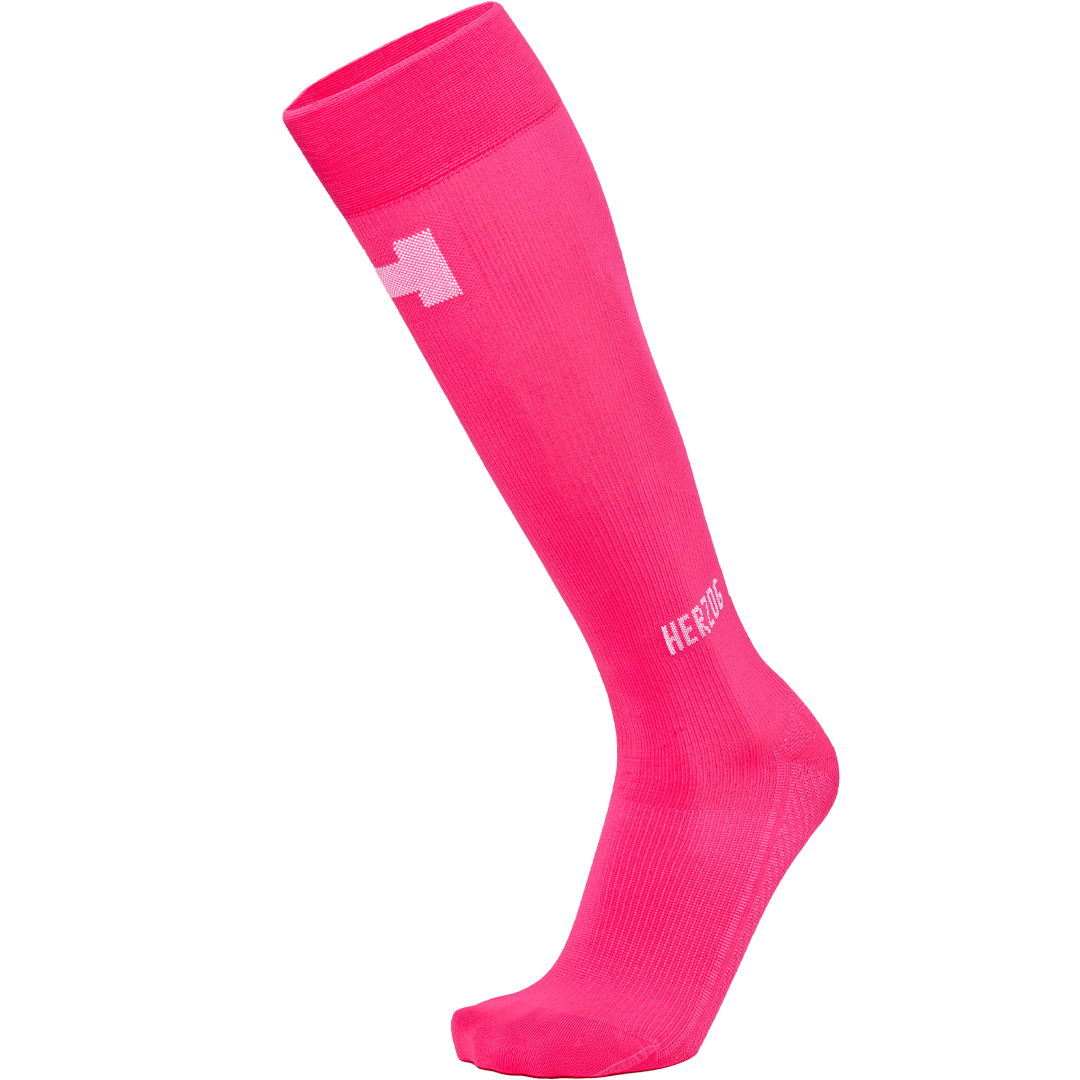
Herzog Medical develops medical and sports compression that addresses precisely these kinds of recovery needs. Consider the Herzog PRO Compression Socks, which many runners use after a long run or competition to support blood circulation in the calves and relieve tension. The causes of tight calves vary widely, from training structure to the running surface, and recovery also requires an approach that matches these factors.


Products in this blog

Relevant blogs

6 Effective tips to prevent and relieve shin splints
Prevent and alleviate shin splints with 6 practical tips for runners. Less pain, faster recovery, and better training.

Treating Whiplash: 3-Phase Recovery with Compression and Cold Therapy
Recovering from a calf strain? Discover the 3 recovery phases and how compression and cold therapy can contribute to optimal and responsible recovery.

All about calf problems: causes, symptoms, and what you can do about them
Suffering from calf complaints? Read all about possible causes, common symptoms, recovery, and what you can do to prevent calf complaints.