Varicose veins: causes, symptoms, and treatment

Varicose veins are common, and symptoms vary greatly from person to person. Some people primarily notice the visible, bluish-purple veins on their calves or the back of their legs, while others mainly suffer from heavy, tired, or restless legs at the end of the day. Symptoms often become more noticeable, especially after prolonged standing, sitting, walking, or exercising. Many people think that varicose veins only develop in old age, but younger and active people also experience them.

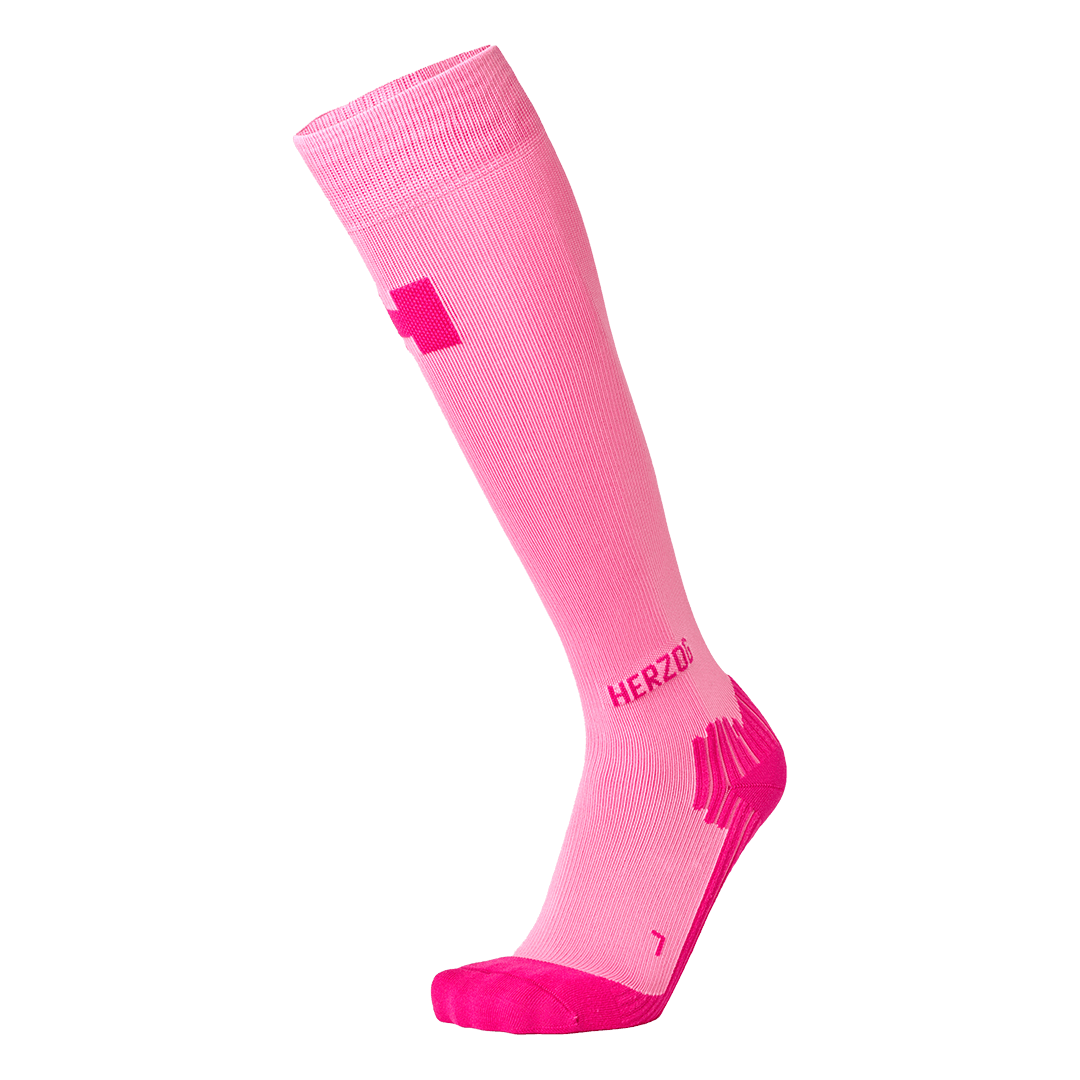
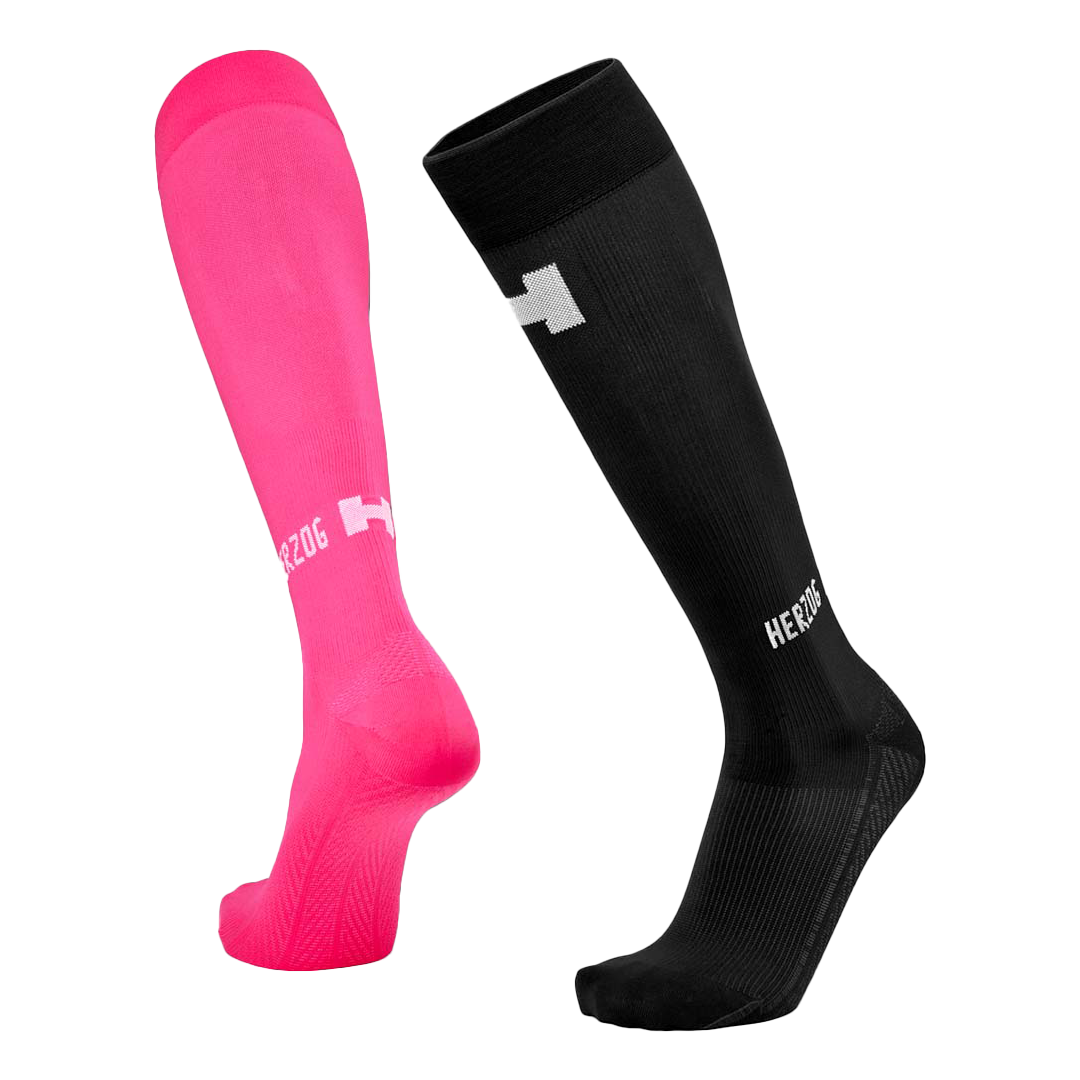
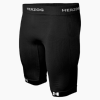
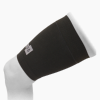
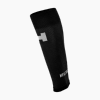
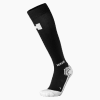
At Herzog, we see these complaints in both athletes and people with sedentary or standing professions. Herzog compression stockings are often worn as support during and after a day when the legs feel heavy, as controlled pressure helps blood flow back to the heart.


Side Image

What causes varicose veins?

Varicose veinsdevelop when the valves in the superficial veins no longer close properly. These valves normally ensure that blood flows in one direction, from the legs back to the heart. If the valves work less effectively, blood partially remains in the veins and the vein dilates. This dilation is precisely what you see as a varicose vein, often bluish-purple and sometimes winding under the skin. This process is gradual, and in the beginning, you primarily notice a tired or heavy feeling in the legs, even before anything is visible.

Several factors increase the likelihood of varicose veins. Hereditary predisposition plays a role, as does age, because veins and valves lose some of their elasticity over the years. Hormonal changes, for exampleduring pregnancy, can also temporarily weaken the vein wall. Additionally, how you spend your day influences this. People with a sedentary jobwhere the legs move little, or conversely, jobs where you stand for long periods, are more prone to varicose veins.

Varicose veins are also more common in people who are already familiar with restless legs, as both conditions are related to blood circulation and the functioning of the venous system in the legs. This does not mean that the cause is always the same, but it does mean that the legs deserve extra attention in such situations. If you are unsure about the cause of visible veins or recurring complaints, it is advisable to consult a general practitioner or vascular specialist, especially if the complaints increase or are accompanied by pain, warmth, or swelling around the vein.

Side Image

What are the symptoms of varicose veins?

Varicose veins do not cause the same symptoms in everyone. Some people primarily notice the veins themselves, clearly visible and sometimes slightly raised under the skin, without experiencing many other complaints. Others mainly feel a heavy, tired, or restless sensation in their legs, which intensifies at the end of the day. Itching around the vein, a slight burning sensation, or nocturnal calf cramps are also frequently mentioned. Many people with varicose veins find that Herzog's medically certified compression stockings provide support, making their legs feel less heavy and tired throughout the day.

It is important to distinguish varicose veins from symptoms that indicate something else, such as thrombosis. Thrombosis is often accompanied by sudden, unilateral swelling, a warm-feeling leg, and pain that does not subside with rest. Varicose veins, on the other hand, develop gradually, and the symptoms usually increase throughout the day, only to decrease somewhat after a night lying down. If you are unsure whether the symptoms are related to varicose veins or something that requires quicker attention, contact your GP. Relying on self-assessment based on the internet is not sufficient if you have doubts.

Are you unsure whether your symptoms are consistent with varicose veins, or do you notice them worsening? Discuss this with your GP. This way, you can be sure of the cause and which treatment or support is best suited for your situation.

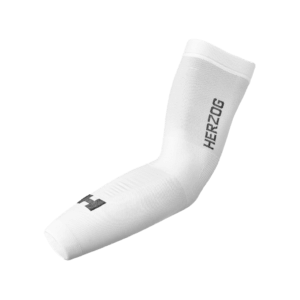
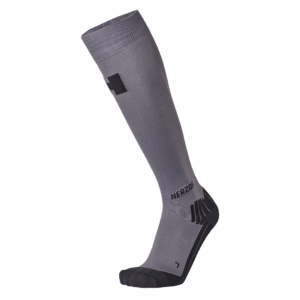
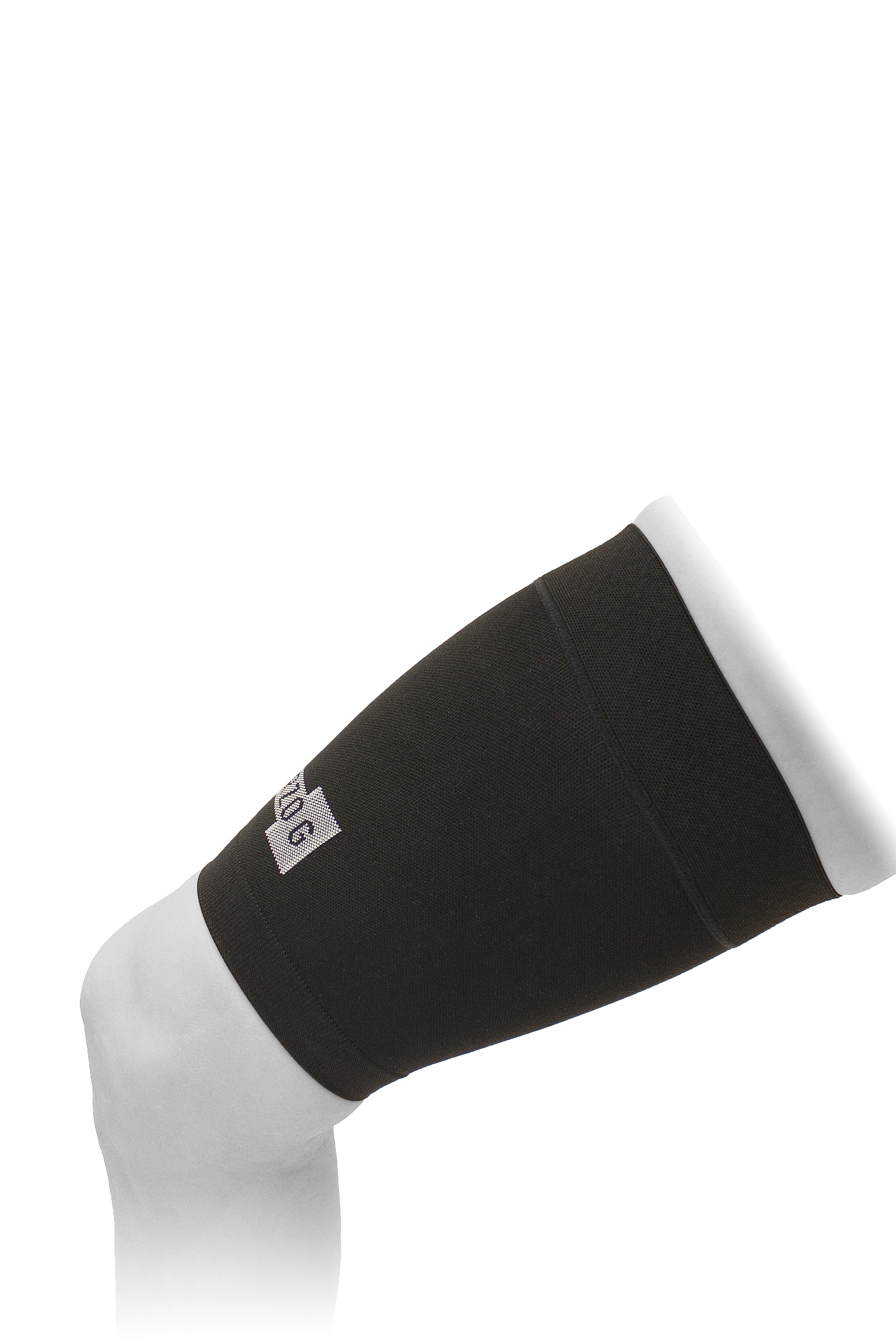
Products in this blog

Side Image

What can help with varicose veins?


Movement remains one of the most important ways to maintain blood circulation in the legs. Regularly walking, hiking, or taking a short movement break during a long day of sitting or standing ensures that the calf muscle helps pump blood out of the veins. It can also be pleasant to elevate your legs during a rest period. These simple habits will not eliminate varicose veins, but they can make your legs feel less heavy and tired throughout the day.

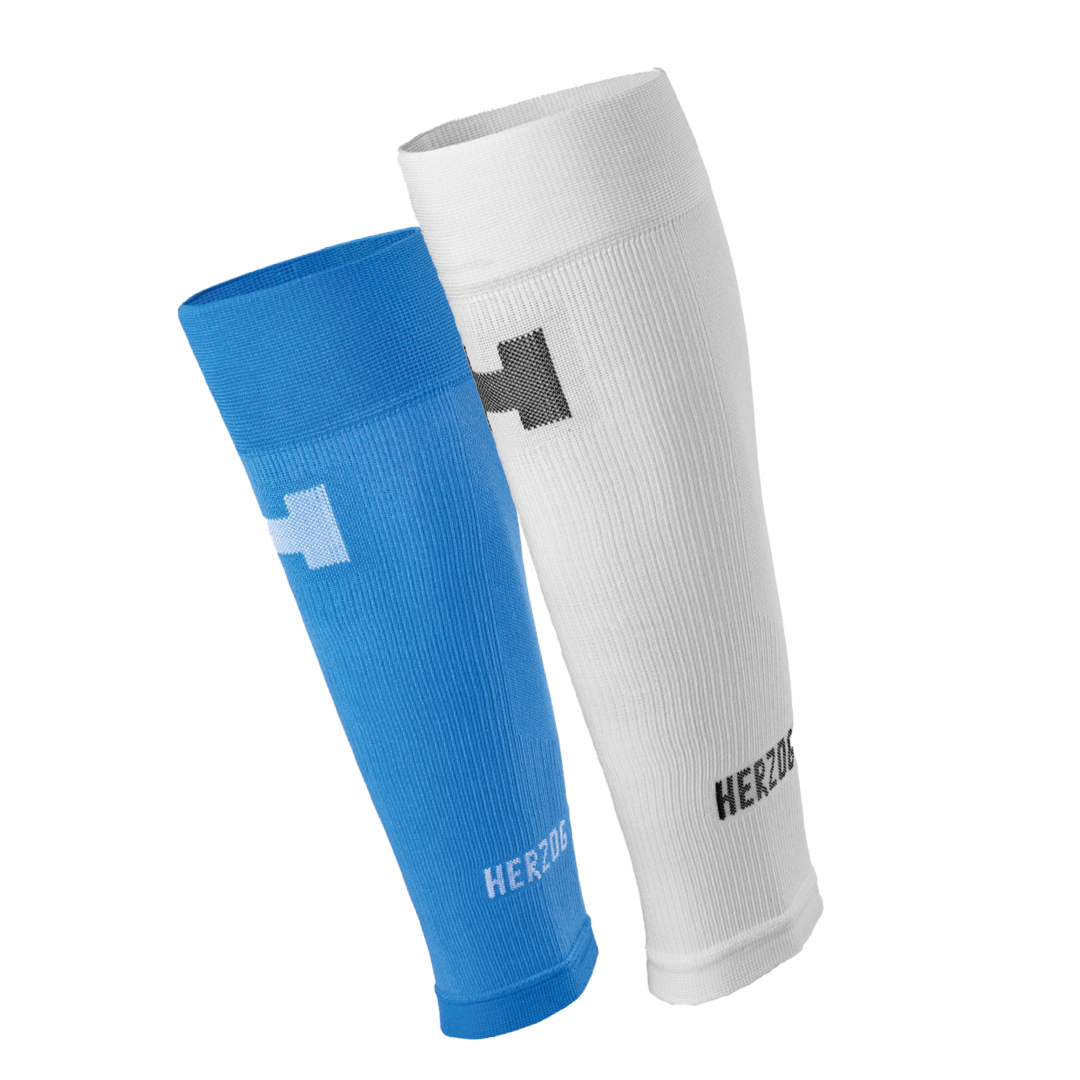
Compression is another way people try to reduce symptoms. The idea behind this is that controlled pressure on the leg supports the veins in returning blood to the heart, which means less blood accumulates in the lower veins. On the page about the how compression worksthis principle is further explained.
At Herzog Medical, this technique is applied in gradual compression technology, where the pressure gradually decreases from ankle to knee. This controlled progression is different from a standard elastic stocking, which often provides the same pressure everywhere.

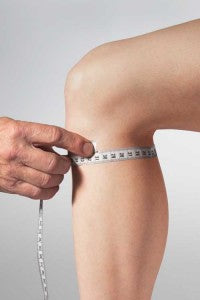
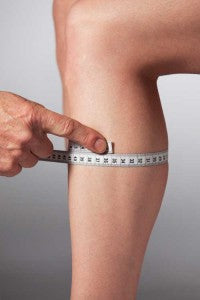
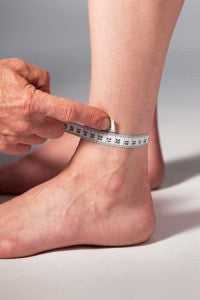
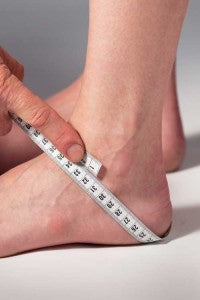
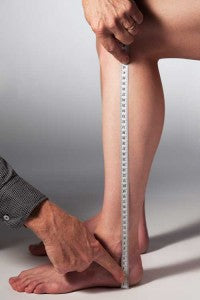
Herzog PRO Compression Stockingsare individually fitted at six measurement points, so that the pressure distribution matches the shape of the leg instead of a standard size. In addition, the stockings carry an MDR quality mark, which means that they comply with the requirements for medical devices.
Herzog has been working on compression technology for over twenty years. The products are used daily by people with varicose veins and other venous complaints, but also by enthusiastic athletes and healthcare professionals.

Frequently asked questions

Can you prevent varicose veins?

Complete prevention is not always possible, as genetic predisposition and age play a role in the development of varicose veins. However, you can reduce the chance of symptoms by exercising regularly, not standing or sitting for too long, and elevating your legs occasionally. Herzog compression stockings can also help to alleviate symptoms such as a heavy or tired feeling in the legs. If there is a strong family history, it is advisable to remain alert for early signs.

Do compression stockings cure varicose veins?


No, a compression stocking does not treat varicose veins and does not eliminate the cause. However, a medical compression stocking can reduce symptoms such as a heavy, tired, or restless feeling in the legs. In addition, wearing compression stockings can help to reduce pressure on the veins and thus slow down further worsening of the symptoms. For the varicose vein itself, assessment by a general practitioner or specialist remains necessary.

When should you see a GP about varicose veins?

See your GP if the varicose vein is painful, grows rapidly, or if the skin around it discolors or changes. Assessment is also important in cases of sudden swelling, warmth in the leg, or a wound that does not heal. If in doubt, it is always advisable to have it checked rather than waiting.

Relevant blogs

6 Effective tips to prevent and relieve shin splints

Prevent and alleviate shin splints with 6 practical tips for runners. Less pain, faster recovery, and better training.

Treating Whiplash: 3-Phase Recovery with Compression and Cold Therapy

Recovering from a calf strain? Discover the 3 recovery phases and how compression and cold therapy can contribute to optimal and responsible recovery.

All about calf problems: causes, symptoms, and what you can do about them

Suffering from calf complaints? Read all about possible causes, common symptoms, recovery, and what you can do to prevent calf complaints.