What is pronation and what does it mean for your running performance?

Every runner pronates, but not everyone knows what that word actually means. Pronation is the way your foot rolls during each step, from the heel, across the outside, to the ball of the foot. This rolling motion is a normal part of your gait and ensures that shocks are absorbed. However, the degree of pronation varies greatly from person to person, and this difference can affect how efficiently you run.

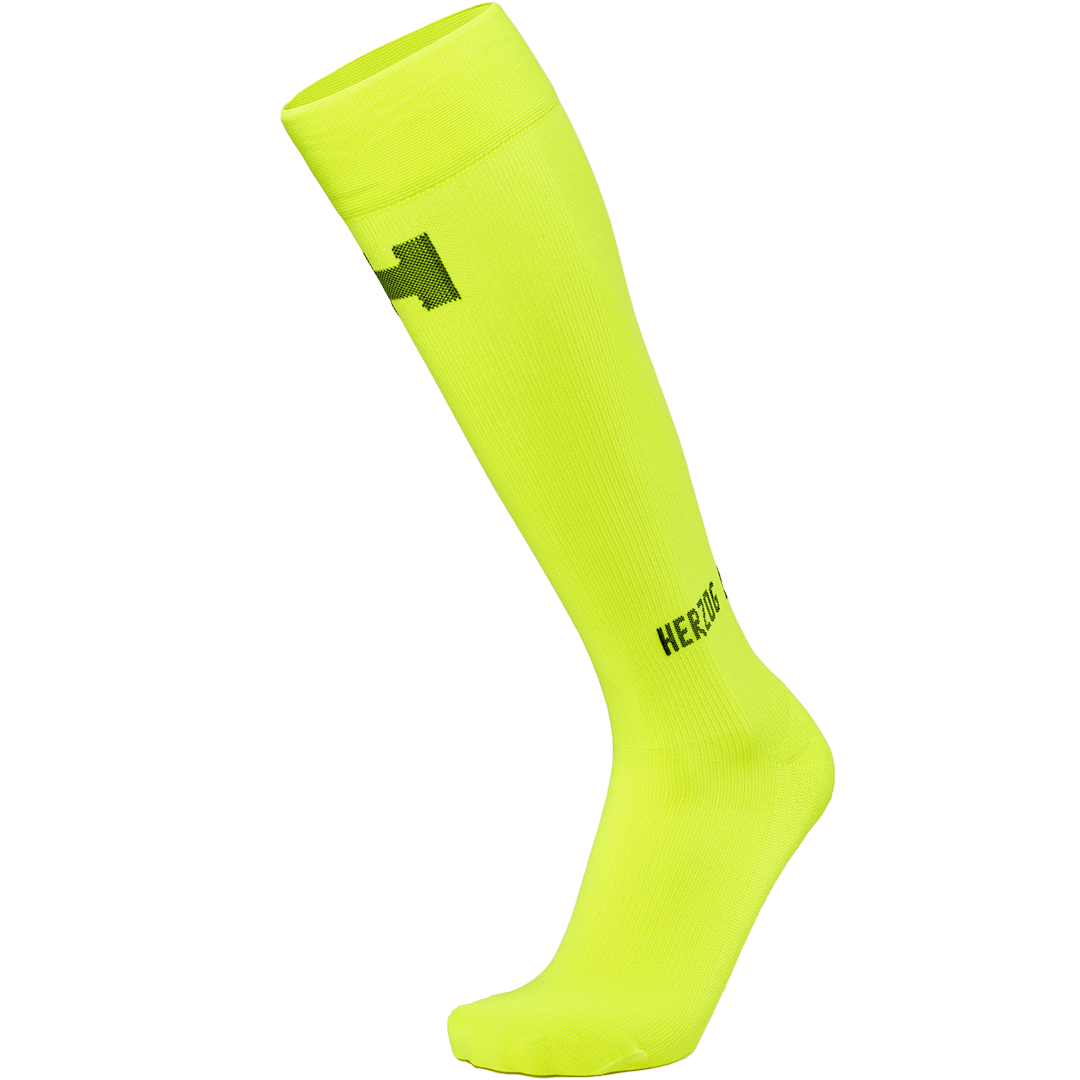
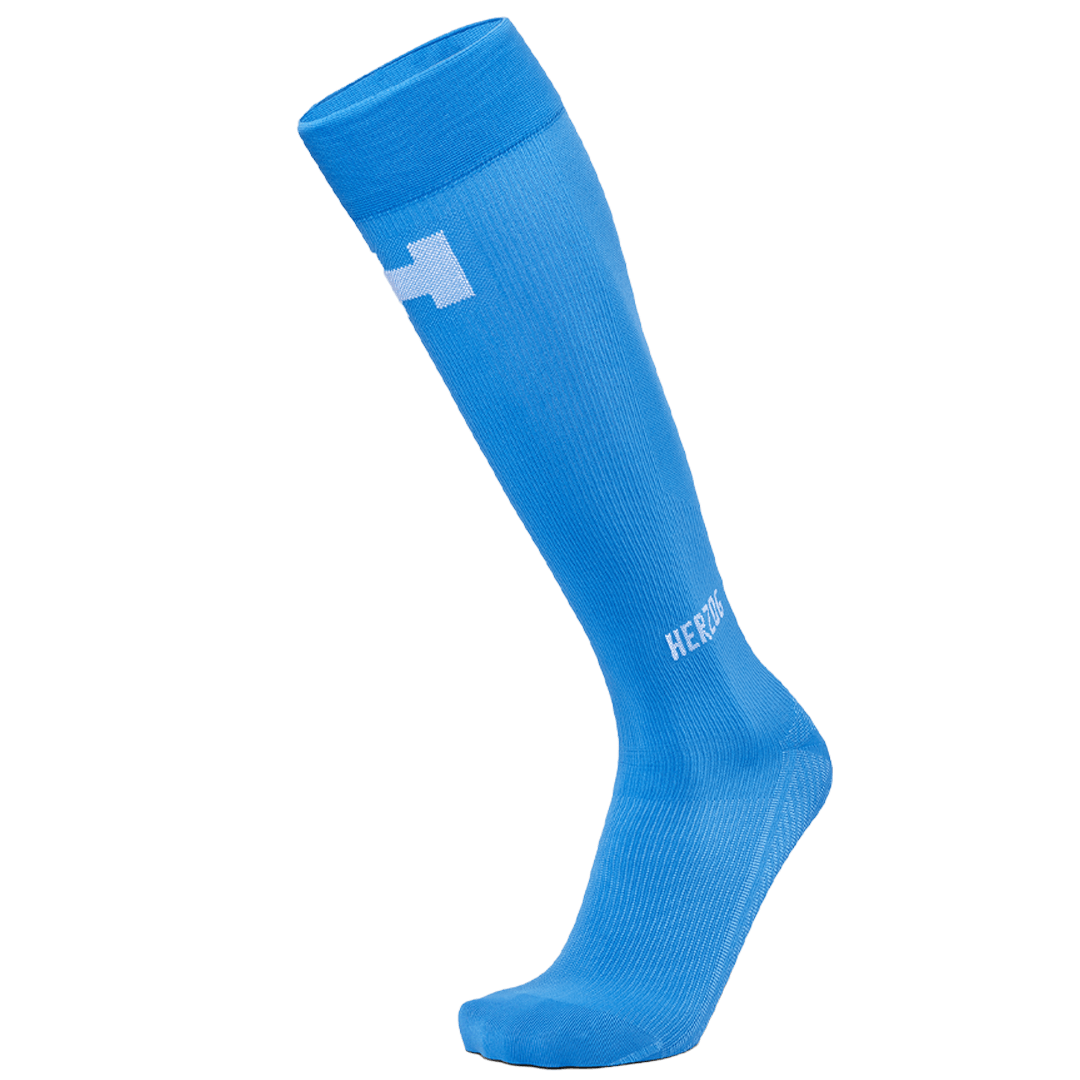
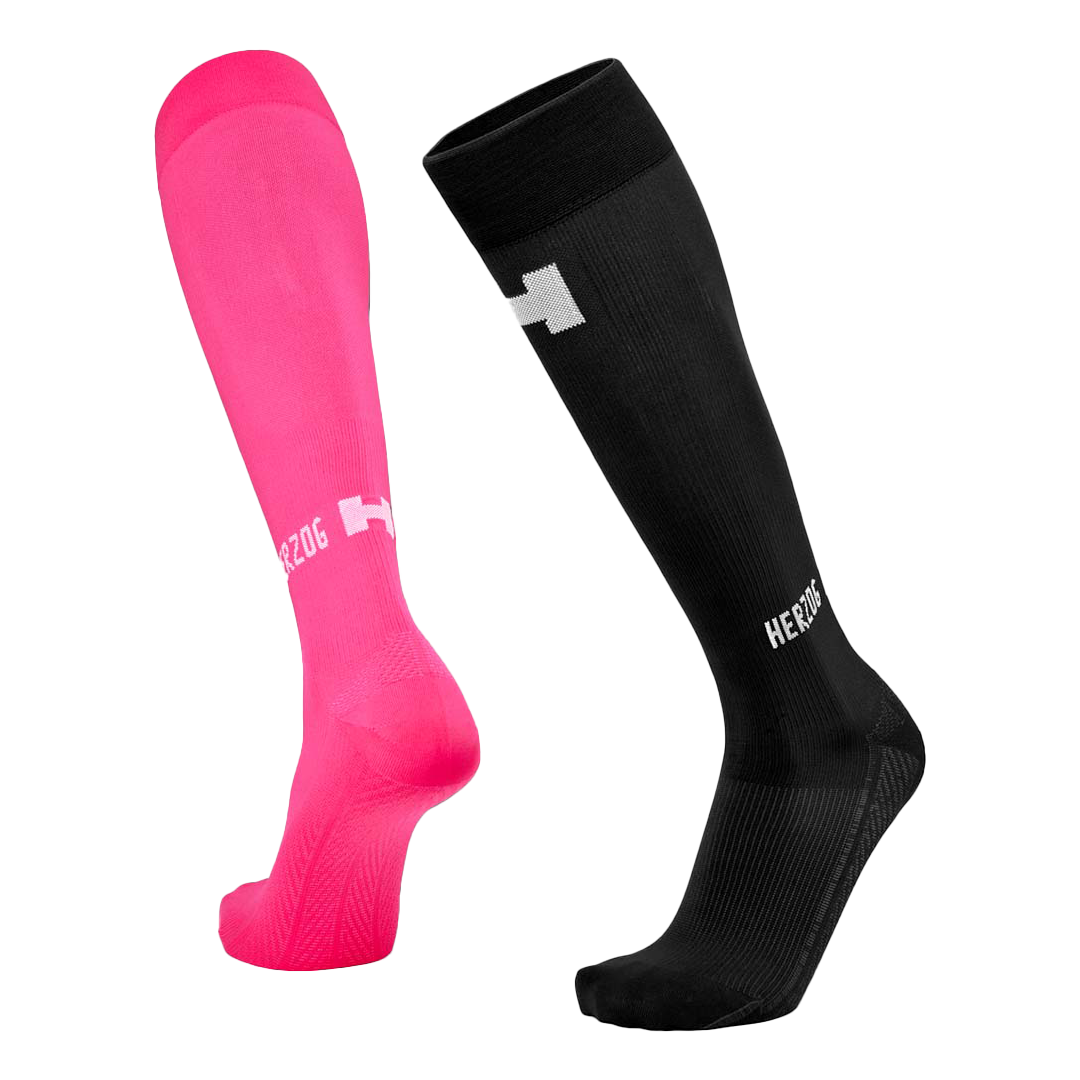
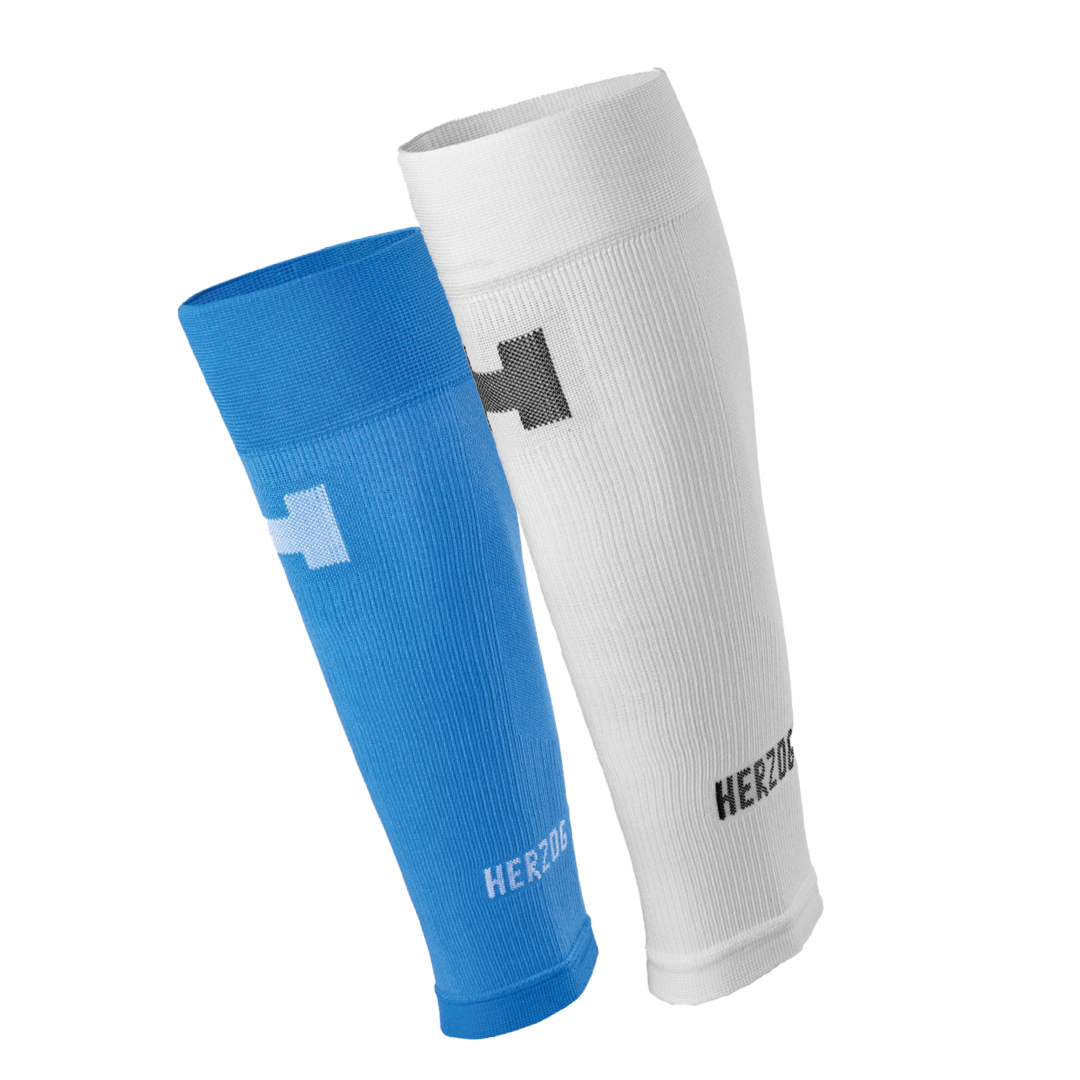
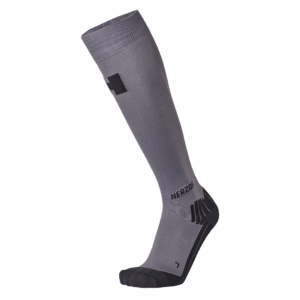
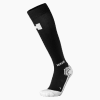
At Herzog, we see in practice how foot roll relates to the strain on calves, ankles, and shins. Many runners with overpronation notice that their lower leg has to work harder to remain stable while running. Herzog compression socks are regularly worn in addition to shoe adjustments because they support the calf muscle during and after a workout.

Side Image

What exactly happens during pronation?

With neutral pronation, you land on the outside of your heel, your foot rolls slightly inward, and pressure is evenly distributed across the ball of your foot before you push off. This process absorbs the shock of each step and keeps your ankle, knee, and hip aligned. With overpronation, the foot rolls too far inward, placing extra strain on the inside of the foot and lower leg. With underpronation, also known as supination, the foot rolls too little inward, and the impact is felt more severely on the outside of the foot.

You can often tell if you are an overpronator or underpronator by the wear pattern on your running shoes. If the inside of the sole wears out faster, it often indicates overpronation. If the outside wears out faster, your foot may tend towards underpronation. A gait analysis by a specialist, where you are filmed on a treadmill, also provides a clear picture of how your foot behaves while running. This information helps to better tailor shoes and training progression to your individual foot strike.

The way your foot rolls off the ground has a direct effect on the chain of your calf, shin, knee, and hip. Overpronation is often associated with complaints such as shin splintsor plantar fasciitis, because the extra rotation places more tension on tendons and muscles on the inside of the lower leg. With underpronation, you more often see complaints on the outside of the knee or ankle, because shock absorption is less effective. This does not mean that pronation automatically leads to injuries, but it is a factor that plays a role in the load on your lower leg.

Side Image

What does pronation mean for your running performance?

Efficient foot strike means that you primarily use energy for forward movement rather than for correcting sideways movements. With severe overpronation or underpronation, your lower leg has to work extra hard to keep the foot stable, which can eventually exacerbate calf fatigue. Many runners only notice this after a longer run, when their calves feel heavier than expected. This extra strain does not necessarily have to be a problem, but it is something to consider when structuring your training schedule.

Ankle and lower leg stability plays a big role in your running performance, especially over longer distances or during interval training. When the foot strike is less controlled, the load sometimes shifts to the calf muscle or Achilles tendon, which can increase the risk of an Achilles tendon injury. Calf tension itself is also sometimes linked to an imbalance in the foot strike during intensive training. These are not direct consequences of pronation alone, but the combination of running technique, running surface, and training structure always plays a role.

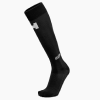
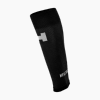
During running, targeted compression supports the calf muscle in absorbing this extra load. Herzog's compression technology is based on this, with a gradual pressure distribution that decreases from bottom to top and supports blood circulation in the lower leg. For runners who cover many kilometers, this is often combined with attention to runningas a whole, from shoe choice to recovery. This method of pressure build-up differs from a standard elastic stocking because the pressure is built up in a controlled and gradual manner instead of randomly squeezing.

Products in this blog

Side Image

How do you deal with your pronation?

If you want to know exactly how your foot rolls, a gait analysis at a specialized running store or podiatrist is a logical first step. Based on this, you can choose shoes that match your type of pronation, with more or less support on the inside of the sole. This is not a one-time choice, because the degree of pronation can change due to, for example, an injury, weight change, or a different training structure. It is therefore wise to repeat this analysis periodically, especially if you notice that your shoes wear differently than before.

In addition to the right shoes, it helps to pay attention to strength and stability in the ankle and lower leg. Exercises that strengthen the calf muscle and arch contribute to better control over the roll-off, even if you get tired during a long run. For some runners, the rest of the leg chain also plays a role, such as with hamstring complaints where a disturbed roll-off is felt further down the chain. Gradually increasing training volume and sufficient recovery time between heavy sessions remains one of the most important factors.

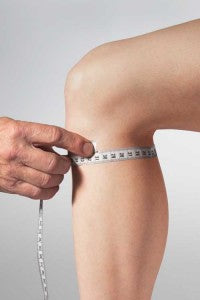
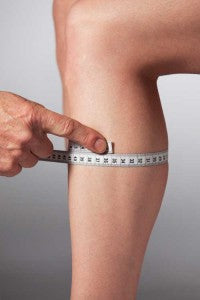
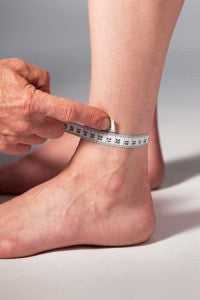
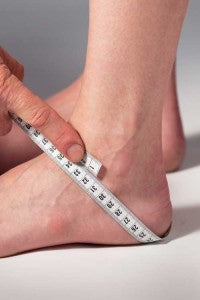
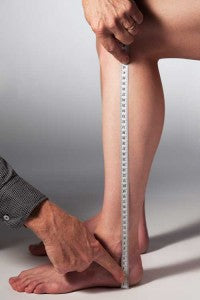
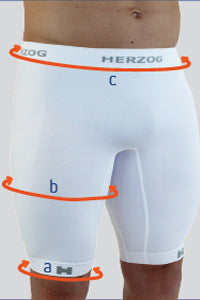
After a training session, targeted compression can contribute to the recovery of the calf muscle, especially if you experience extra strain on that area due to your pronation. The Herzog PRO Compression Socks are individually measured at six points and bear an MDR quality mark, which means that they meet the medical requirements set for these types of products. They are used by both athletes and healthcare professionals, which is in line with Herzog's more than twenty years of experience in compression technology. You can read more about recovery after running on the page about recovering with compression socks.

Frequently asked questions

What is the difference between overpronation and underpronation?

With overpronation, the foot rolls too far inward during the foot strike, placing extra strain on the inside of the foot and lower leg. With underpronation, also known as supination, the foot rolls too little inward, and the impact is absorbed more heavily on the outside of the foot. Both variations fall outside the neutral foot strike where pressure is evenly distributed.

How do you know if you are an overpronator?

An initial indication is often seen in the wear and tear of your running shoes, where the inside of the sole wears out faster. A gait analysis at a running store or podiatrist provides a more precise picture, as your foot strike is then observed on a treadmill. This way, you'll better know what type of support suits your foot.

Can compression help with pronation-related issues?

Targeted compression can contribute to supporting the calf muscle, especially if you experience extra strain in that area due to abnormal pronation. It is not a treatment for an underlying condition and does not replace specialist advice. For persistent complaints, it is advisable to have this assessed by a doctor or podiatrist.

Relevant blogs

6 Effective tips to prevent and relieve shin splints

Prevent and alleviate shin splints with 6 practical tips for runners. Less pain, faster recovery, and better training.

Treating Whiplash: 3-Phase Recovery with Compression and Cold Therapy

Recovering from a calf strain? Discover the 3 recovery phases and how compression and cold therapy can contribute to optimal and responsible recovery.

All about calf problems: causes, symptoms, and what you can do about them

Suffering from calf complaints? Read all about possible causes, common symptoms, recovery, and what you can do to prevent calf complaints.