What is the difference between sports compression socks, support stockings and therapeutic stockings?

Compression stockings are everywhere. From drugstores to running shops and from physiotherapists to online webshops: everyone seems to sell a variation these days. However, their effectiveness varies enormously. A stocking you wear during a marathon needs to do something very different from a stocking you put on in the evening to relieve heavy legs after a day of standing. The word compression itself says little about what a stocking actually does.

At Herzog Medical, you can see this difference immediately in the construction of a stocking. A runner training for a trail run needs different support than someone recovering after surgery. Herzog compression stockings are therefore not sold as a single standard product, but are tailored to what the body needs at that moment, from athletic strain to recovery after an injury or long days on your feet.

Side Image

What is the difference between support stockings, sports compression socks, and therapeutic stockings?

A support stocking that you buy at the drugstore offers light pressure and is intended as general support for, for example, tired legs at the end of the day. These stockings are available individually in standard sizes and mainly work preventively for minor complaints. They are not designed for intensive sports activity and often do not offer controlled pressure build-up. For someone who occasionally takes a walk, this may be sufficient, but for structural calf complaintsa simple support stocking often falls short.

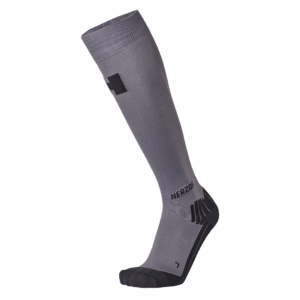
Sports compression socks are designed for a completely different situation: active stress on muscles and joints during movement. Think of running, cycling, or fitness, where muscles vibrate and blood vessels work extra hard. These socks must remain precisely in place, even when sweating and moving, and must provide pressure distribution that supports the muscle without pinching. For athletes who cover many kilometers, such as in running or trail running, this functional design is essential for injury prevention and recovery.

Therapeutic elastic stockings, also known as TED stockings, fall into a medical category. They are often prescribed for conditions such as varicose veins, edema, or after thrombosis, and have a fixed compression class determined by a doctor. For complaints such as varicose veins or thrombosis, it is important to always consult a general practitioner or specialist first, because the correct compression class and fit vary per situation and incorrect use can have an adverse effect on blood circulation.

Side Image

Why are fit and pressure distribution so important in sports compression?

Compression only works effectively if the pressure is applied in the right places and gradually decreases from ankle to knee. This is called graduated compression and helps the bloodstream to more quickly remove fluid and waste products. If a sock is too loose, it will shift during movement and the effect will disappear. If it is too tight, the sock can constrict and actually have an adverse effect on blood circulation. For athletes who are struggling with, for example, an Achilles tendon injurythis balance is extra important.

The correct pressure distribution provides support not only during exercise, but also afterward. Many people find that their muscles feel less stiff after a workout when they wear a well-fitting sock. This effect only occurs if the compression is equally precise everywhere, from calf to ankle. A sock that deviates at one point can actually put extra strain on the body instead of supporting it. This plays a role, for example, in recovery after a hamstring injuryor with recurring shin splint complaints.

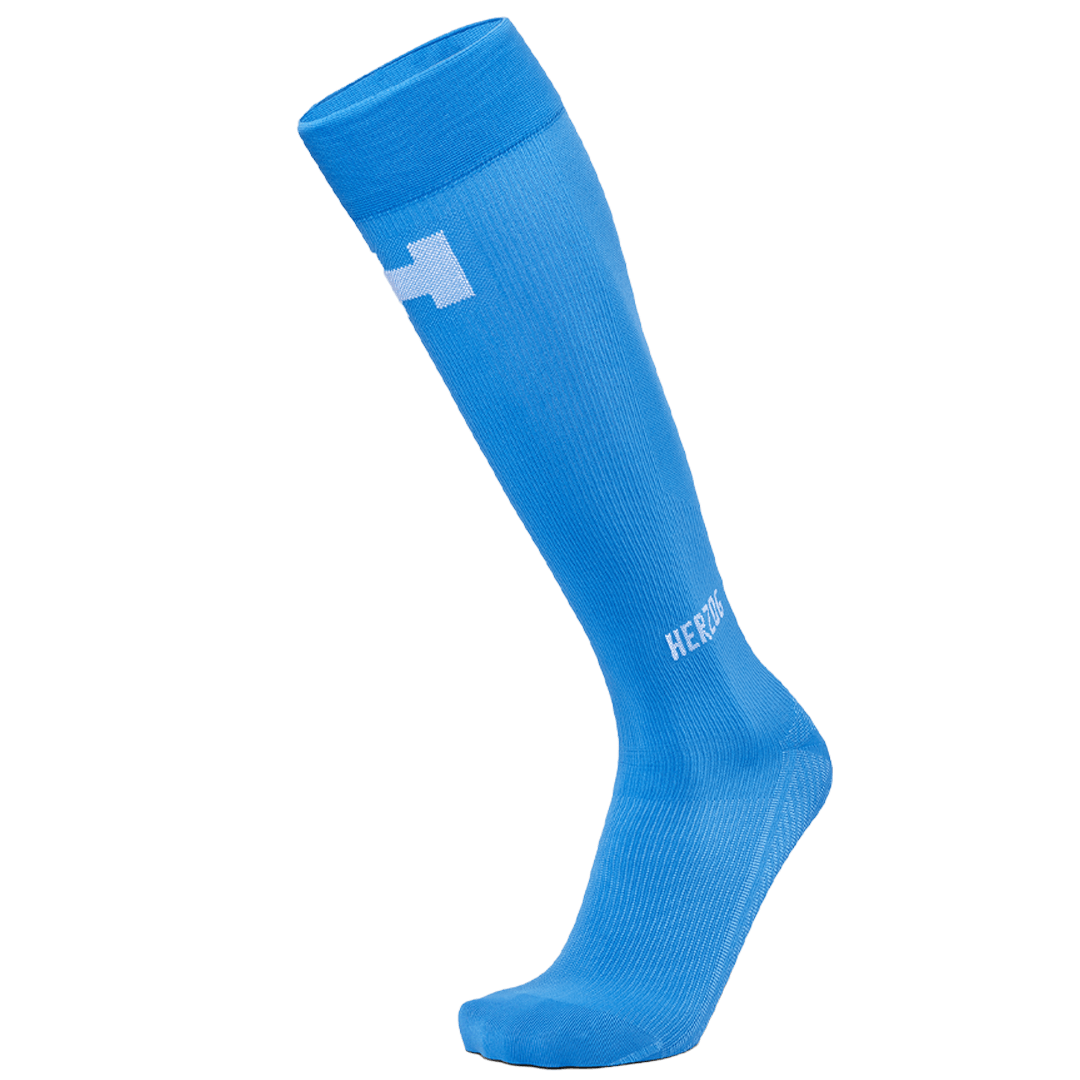
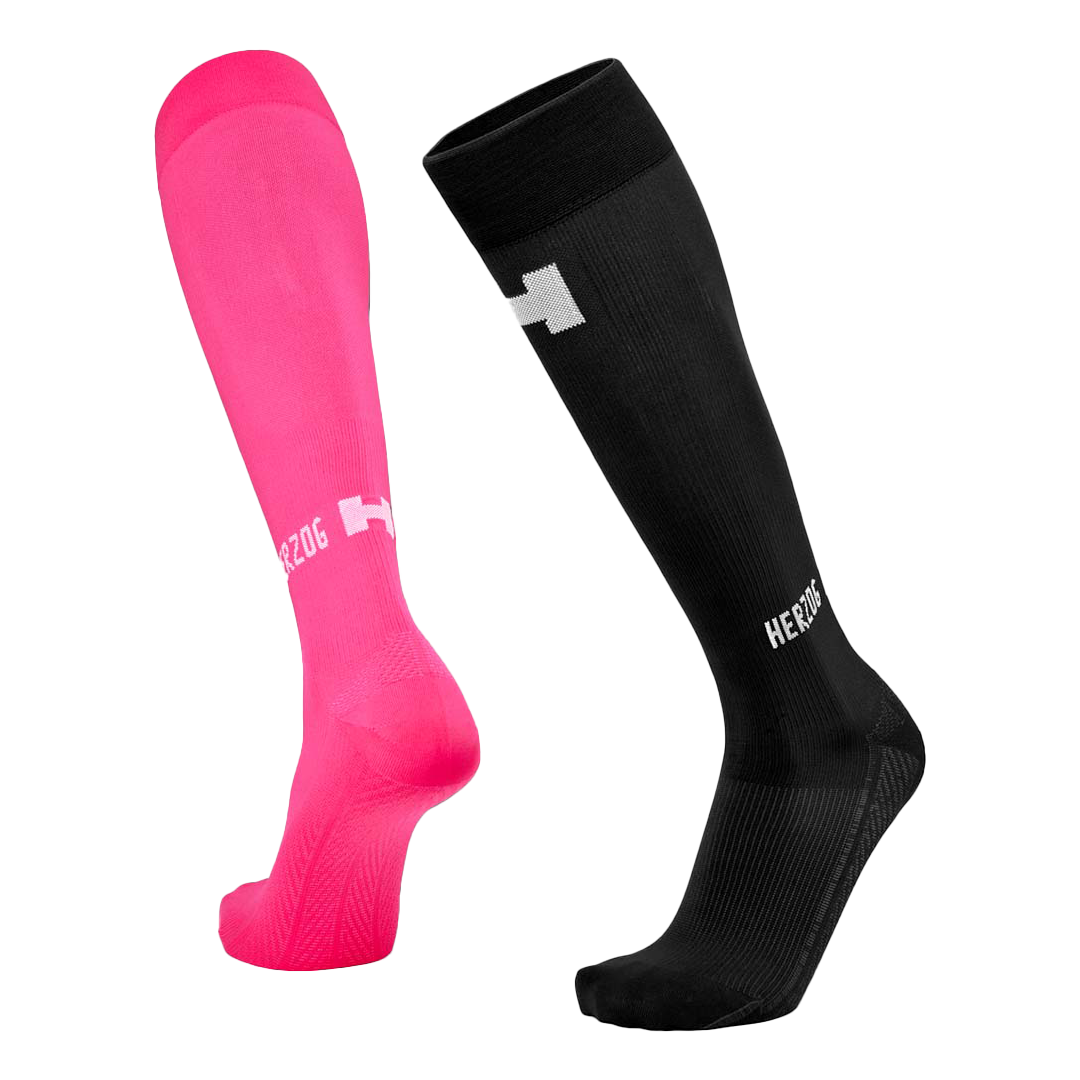
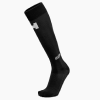
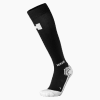
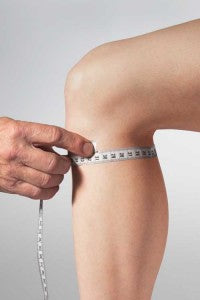
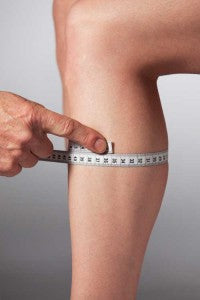
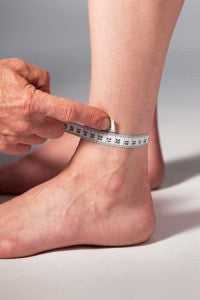
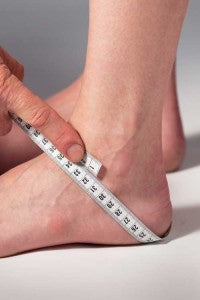
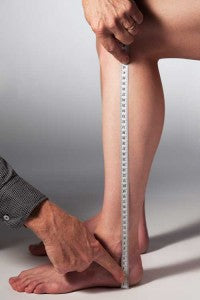
With Herzog PRO Compression Socks, this precision is achieved by individual measurements at six points along the leg. This creates a controlled graduated pressure distribution that is tailored to the exact shape of the calf and ankle, rather than to an average. This approach comes from medical compression technology and is therefore used equally well by healthcare professionals and by athletes who train seriously. You can read more about how this structure works on the page about how compression works.

Products in this blog

Side Image

Why does custom work differently from a standard S, M or L size?

Every body has a different leg shape. The circumference of a calf, the length of the lower leg, and the shape of the ankle vary greatly from person to person, even within the same shoe size or body height. A standard size like S, M or L approximates an average, but in practice, that average is rarely exact for many people. As a result, a standard sock often doesn't fit well at one point, which can limit the effectiveness of the entire sock.

You often only notice this difference after wearing it for a while. A sock that constricts at the top of the calf but is loose at the ankle no longer provides even support. For people with sedentary jobs who sit still for many hours, this can lead to less comfort throughout the day, as can be read on the page about sedentary jobs and compression socks. Also with swollen anklesan accurate fit is essential to experience relief.

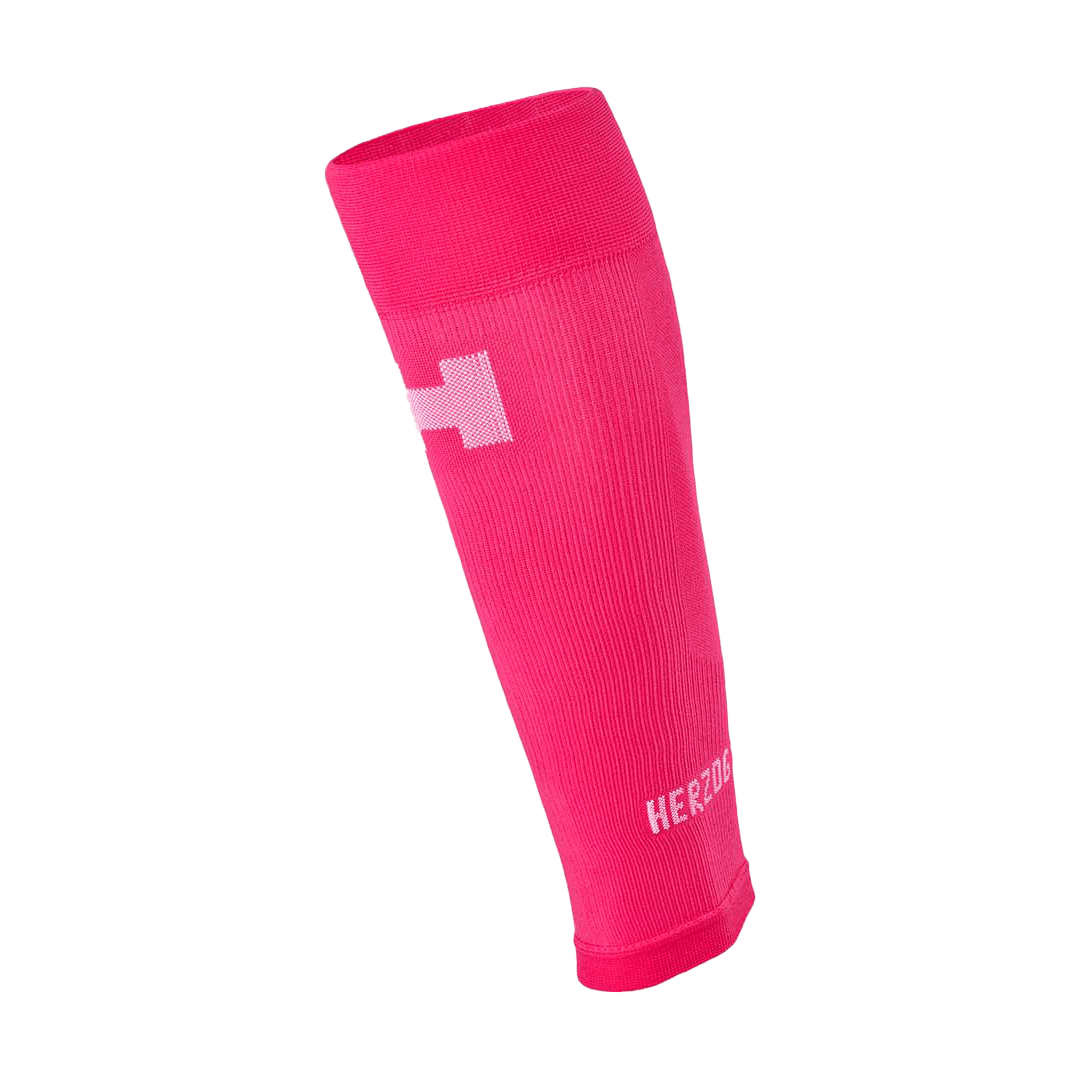
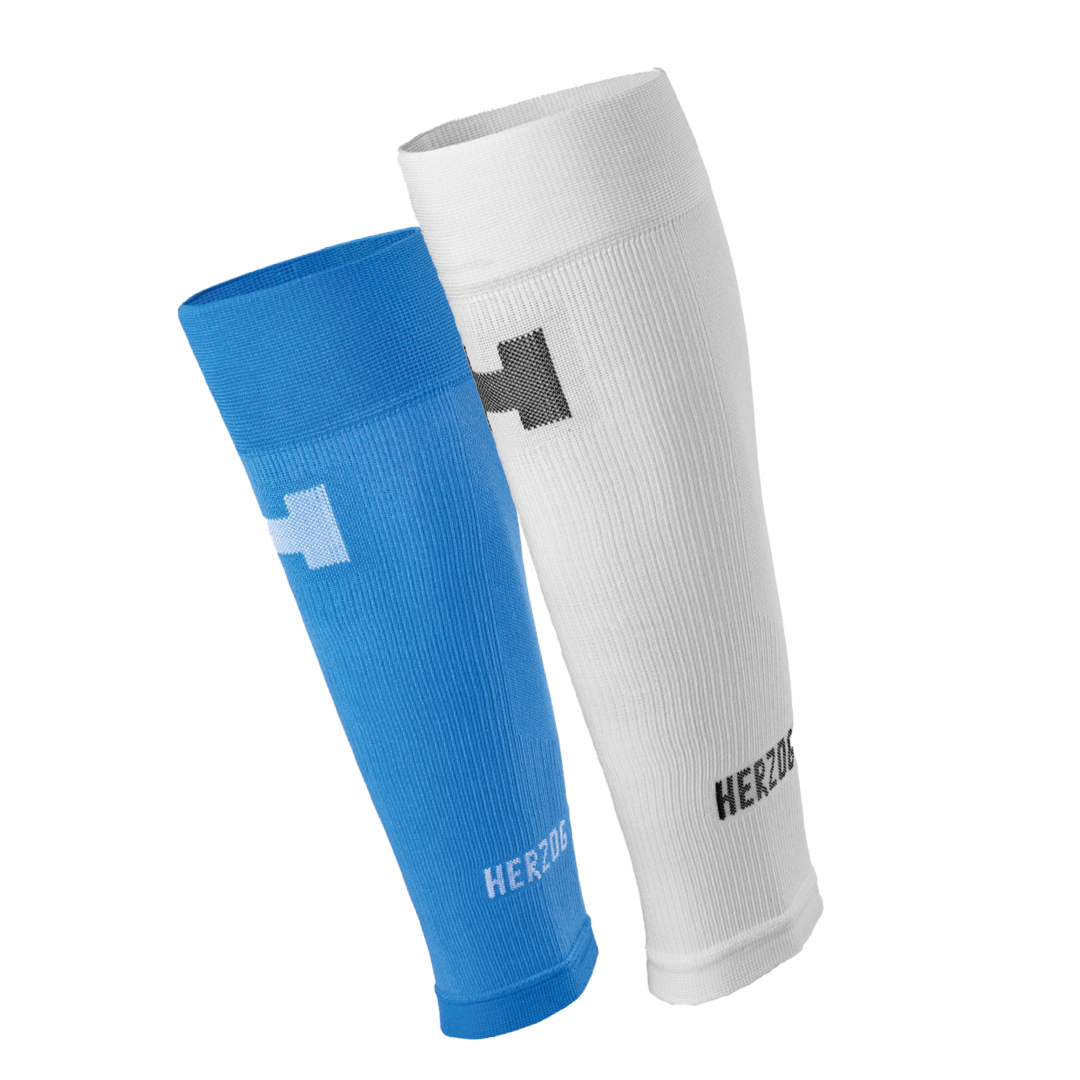
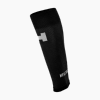
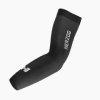
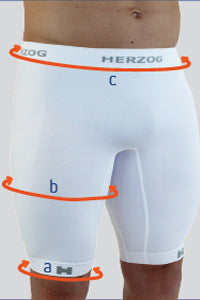
Herzog custom compression socks are therefore not produced in fixed sizes but are measured per leg at six points. This makes the PRO Compression Socks and PRO Compression Tubes suitable for various leg shapes, from slender ankles to muscular calves. Both carry an MDR certification, meaning they comply with European regulations for medical devices. This approach stems from over twenty years of experience as a compression specialist, where both athletes and healthcare professionals use the same technology.

To the PRO Compression Socks

Frequently asked questions

What is the difference between a support stocking and a sports compression sock?

A support stocking offers light, general pressure and is intended for daily use for tired legs. A sports compression sock is designed for active use during exercise and must stay in place more precisely, even with sweating and muscle movement. The main difference lies in the pressure distribution and the fit during exertion.

Can I determine what size compression sock I need myself?

For standard sizes such as S, M, or L, you can refer to a table with height and weight, but this does not always guarantee an accurate fit. For custom-made stockings, the leg is measured at several points so that the pressure fits well everywhere. If you are unsure which approach is appropriate, a consultation with a specialist can provide clarification.

Should I always consult a doctor for complaints such as varicose veins or thrombosis?

Yes, for varicose veins, thrombosis, or edema, it is important to first consult a general practitioner or specialist before using a compression sock. These conditions require a correct diagnosis and a pressure class that is tailored to it. Choosing a sock yourself without medical advice can worsen the situation instead of alleviating it.

Relevant blogs

6 Effective tips to prevent and relieve shin splints

Prevent and alleviate shin splints with 6 practical tips for runners. Less pain, faster recovery, and better training.

Treating Whiplash: 3-Phase Recovery with Compression and Cold Therapy

Recovering from a calf strain? Discover the 3 recovery phases and how compression and cold therapy can contribute to optimal and responsible recovery.

All about calf problems: causes, symptoms, and what you can do about them

Suffering from calf complaints? Read all about possible causes, common symptoms, recovery, and what you can do to prevent calf complaints.