Why compression is often part of lipedema treatment

Lipoedema is a chronic condition in which adipose tissue is distributed unevenly, usually in the legs and sometimes in the arms. It causes a heavy, painful feeling and a shape that does not change with diet or exercise. Many people are diagnosed late because the initial symptoms resemble overweight or fluid retention. A specialist makes the diagnosis and determines which treatment is needed.

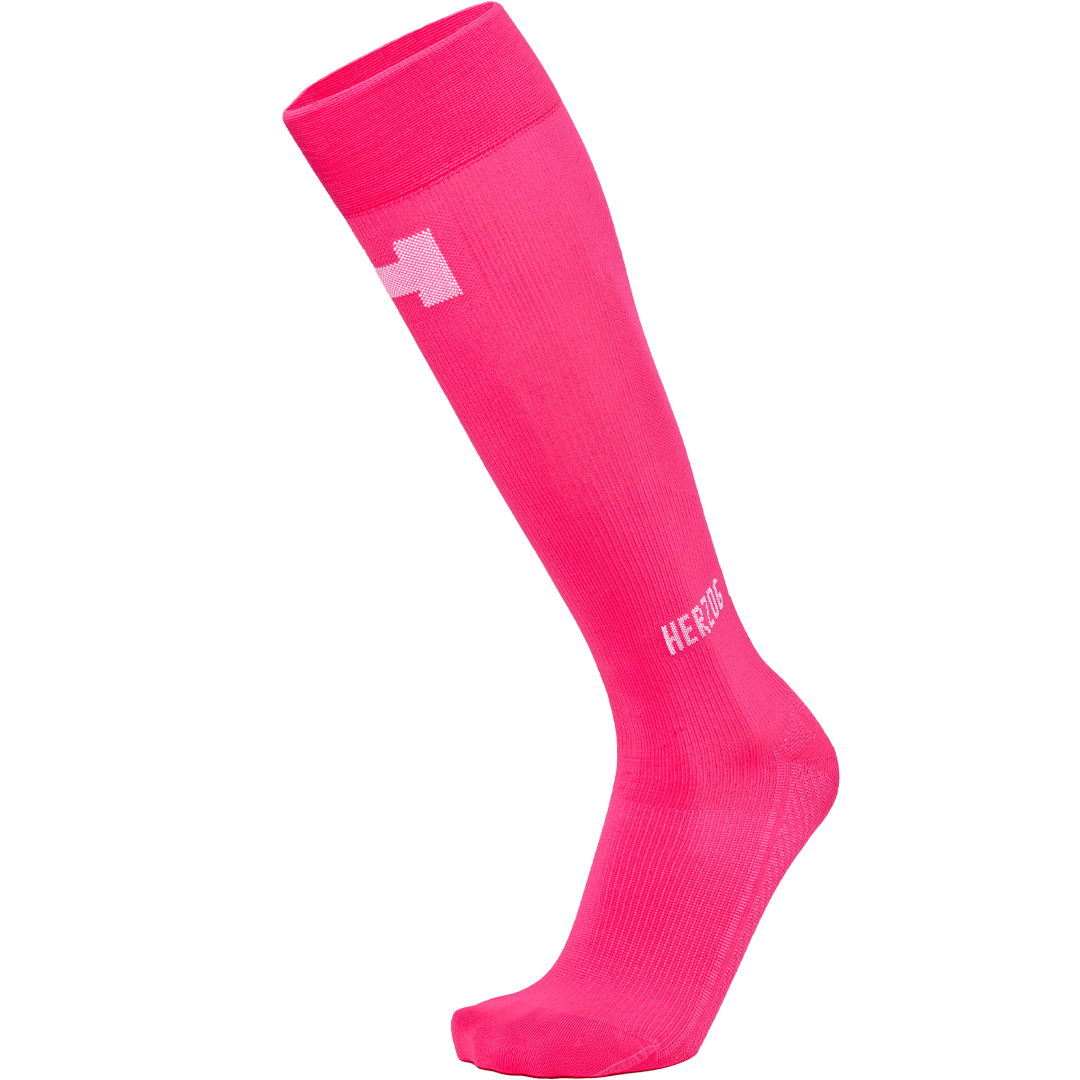
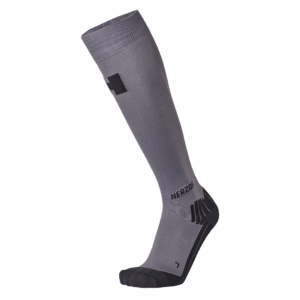
In a treatment plan for lipoedema, compression is often mentioned as a supportive measure, in addition to exercise, skin care, and sometimes manual lymphatic drainage. Herzog medical compression stockings are regularly used within such a plan, on the advice of a doctor or therapist. The stocking does not replace medical treatment, but it can contribute to a more comfortable feeling in the legs throughout the day. Such a stocking is usually only used after a specialist has assessed the severity of the symptoms.

Side Image

What happens in the body with lipoedema?

Lipoedema is caused by a disturbed distribution of adipose tissue, often from puberty or during hormonal changes such as pregnancy. The adipose tissue feels different from ordinary overweight, with a lumpy structure and sensitivity to touch. The legs often become thicker than the torso, creating a clear contrast. Unlike fluid that is displaceable, the swelling in lipoedema often persists, even after rest. This makes it difficult to distinguish from other forms of swelling, and therefore, a proper diagnosis by a doctor or specialist is important before starting treatment.

Lipoedema is sometimes confused with other conditions that also cause thick legs, such as lymphoedema or vein problems. With varicose veins, vein function plays a role, while lipoedema is primarily related to the structure of the adipose tissue itself. However, these conditions can also co-occur, which makes the diagnosis even more complex. A vascular specialist, dermatologist, or lymphoedema therapist can determine exactly what is going on with a physical examination and sometimes imaging. Self-diagnosis based on symptoms alone is not recommended with this combination of conditions.

The consequences of lipoedema go beyond appearance. Many people experience a heavy, tired feeling in their legs at the end of the day, and sometimes pain upon touch or pressure. Standing or sitting for long periods can exacerbate symptoms, just as with swollen anklescaused by other factors. Because the symptoms recur daily, many people look for a way to reduce the feeling of heaviness without compromising their mobility. A treatment plan that considers movement, skin care, and compression often works better than isolated measures.

Side Image

Why is compression used for lipedema?

Compression applies controlled pressure to the subcutaneous tissue, facilitating the drainage of fluid and waste products. In cases of lipedema, this can contribute to a lighter feeling in the legs, even though compression does not alter the fat tissue itself. The effect of compressionrevolves around supporting blood circulation and counteracting additional fluid buildup often associated with lipedema. The effect is thus supportive, not a cure, and primarily functions as part of a broader plan devised by a doctor or therapist.

Not every stocking provides the same pressure along the entire length of the leg. Herzog's compression technology is based on a controlled, gradual pressure distribution, meaning that the pressure is highest at the bottom of the leg and gradually decreases upwards. This aligns with how the lymphatic system normally drains fluid, from the foot towards the torso. With lipedema, where fluid balance is already under pressure, a stocking that does not properly follow this structure can actually cause additional constriction or discomfort instead of relief.

Compression for lipedema is usually not used as a standalone solution but as part of a combination treatment. This may include manual lymphatic drainage, skin care, tailored exercise, and sometimes an adjusted diet, all adapted to the individual situation. The medical applicationof compression fits within this comprehensive approach, with the stocking providing support during the day while other components of the treatment further aid the lymphatic system and tissue. A doctor or lymphedema therapist determines which combination is suitable for the stage and severity of the condition and adjusts this advice when the situation changes.

Products in this blog

Side Image

How does medical compression differ from a standard stocking for lipedema?

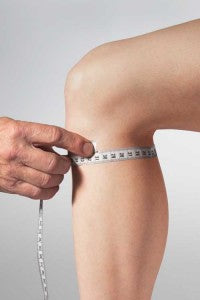
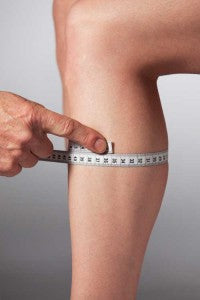
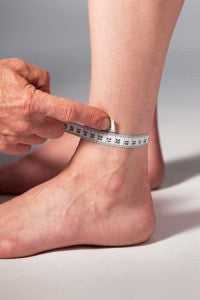
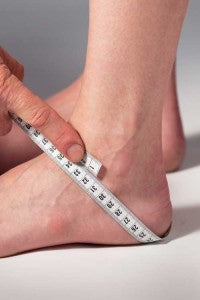
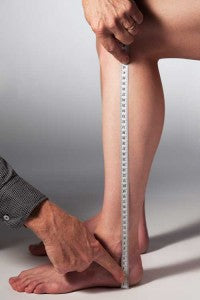
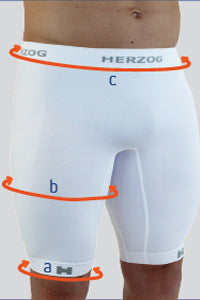
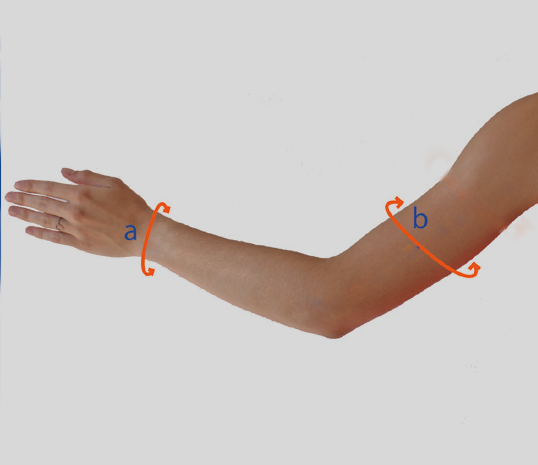
With lipedema, the shape of the leg often changes in a way that is not symmetrical, with differences between the upper and lower leg or between left and right. A stocking that does not conform to this shape can pinch in one place and be too loose in another. Herzog custom compression stockings are therefore individually fitted at six measuring points, so that the pressure build-up matches the actual shape of the leg instead of a standard size. This is relevant for edemain general, and certainly for a condition like lipedema where the change in shape can vary greatly from person to person.

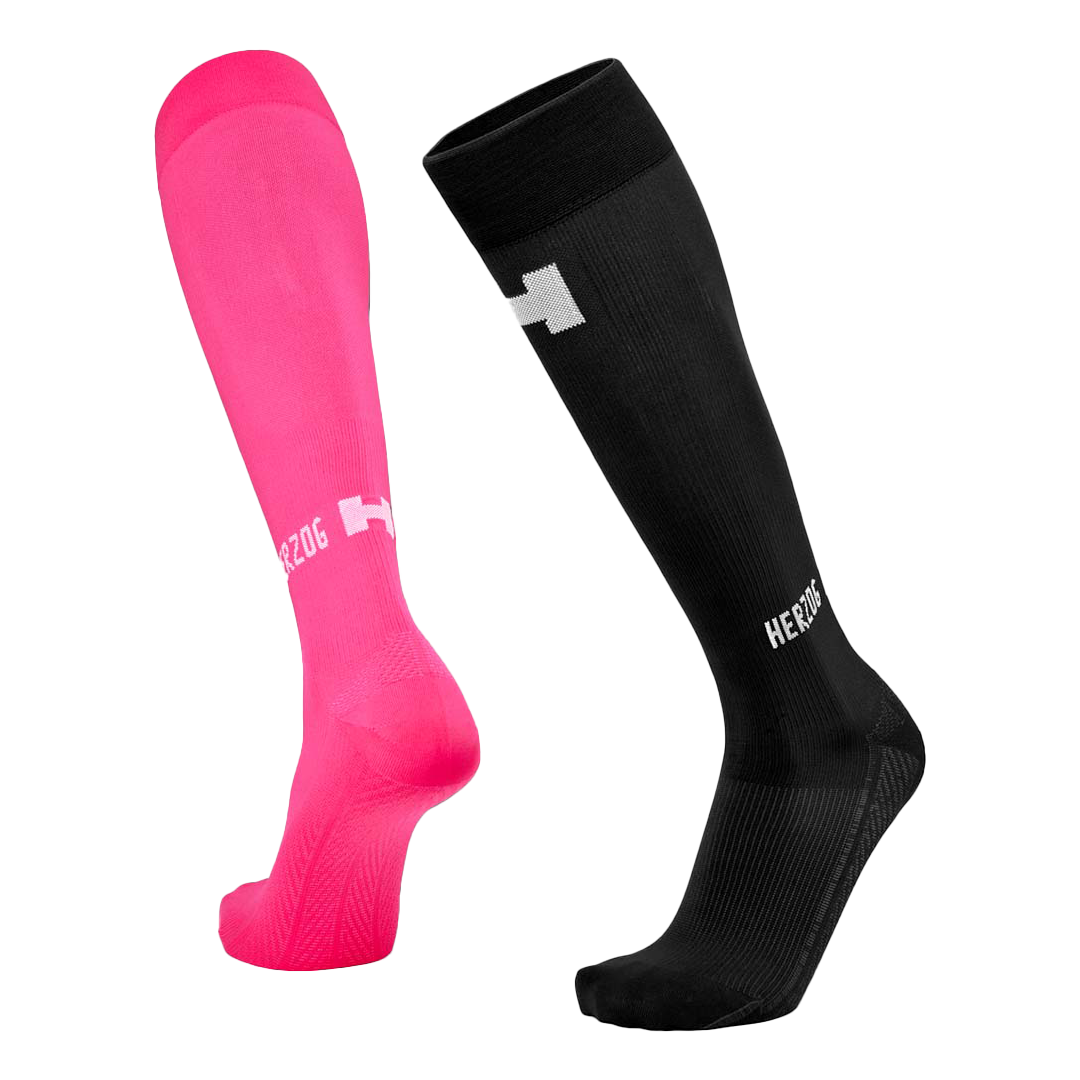
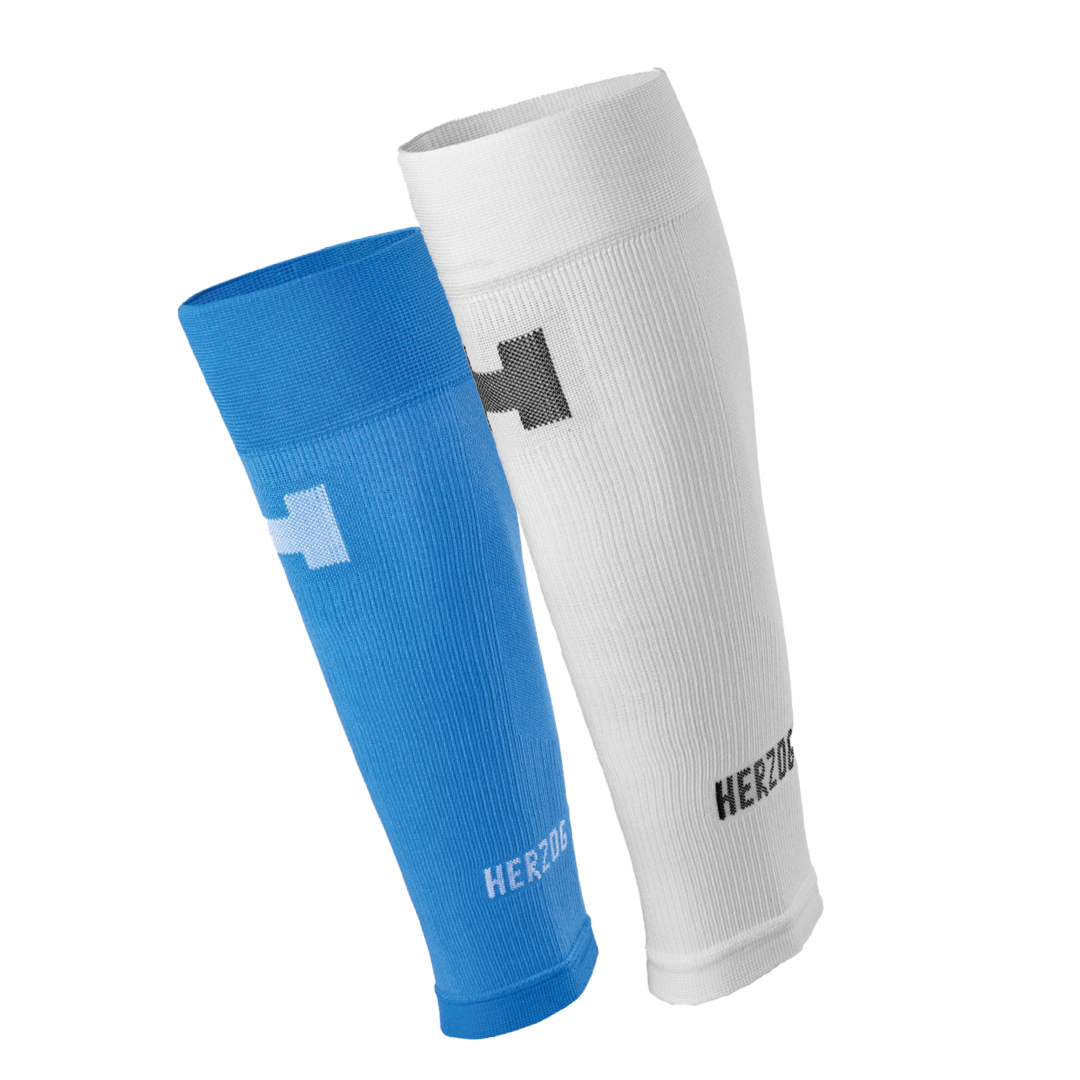
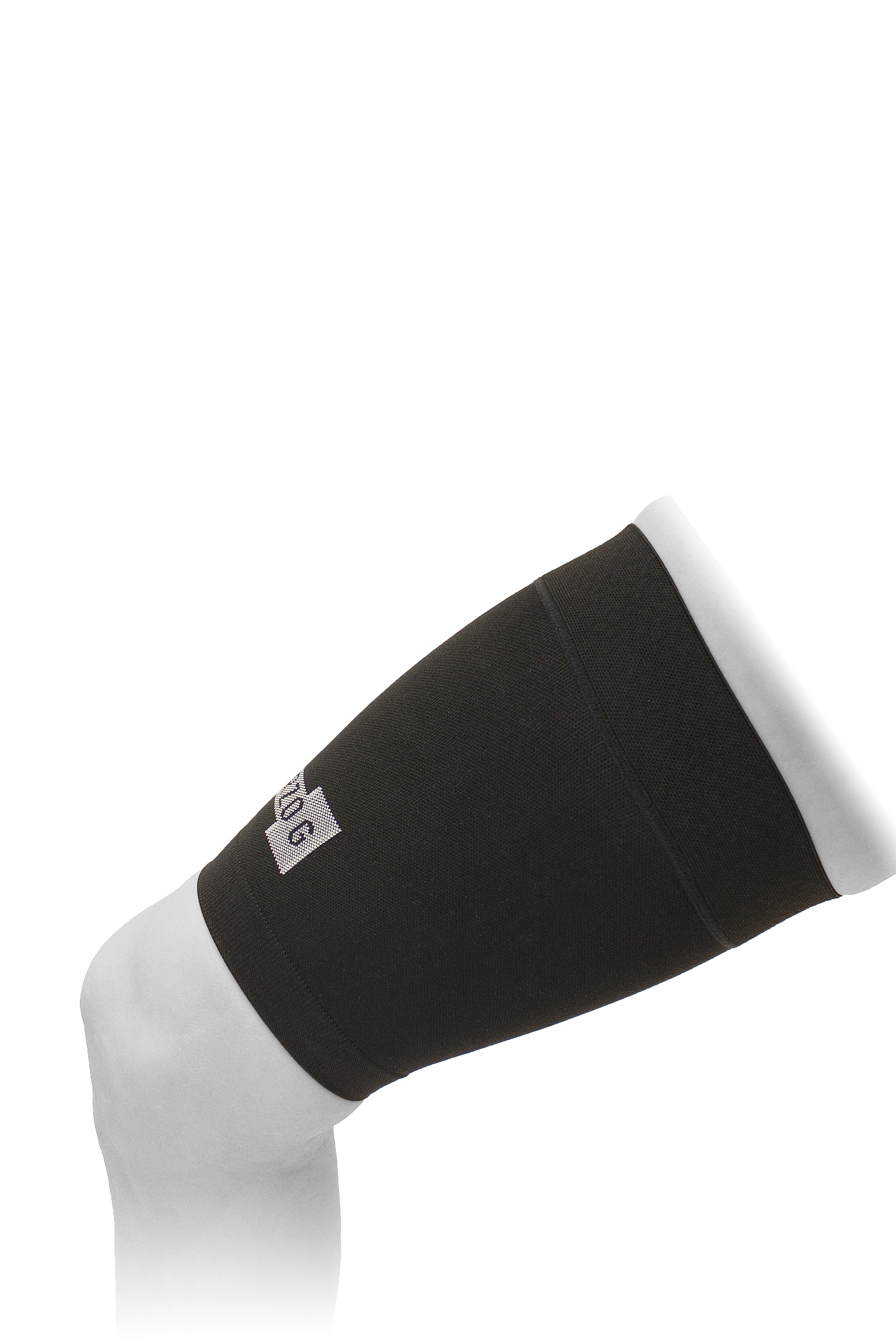
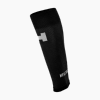
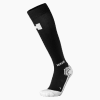
Herzog PRO Compression Stockings and Herzog PRO Compression Tubes are developed from medical compression technology and bear an MDR quality mark, which means they comply with European requirements for medical devices. Herzog has been working on compression products for over twenty years, used by both athletes and healthcare professionals, from physiotherapists to nurses. This background is relevant for lipedema, because the stocking must fit precisely on a leg that is often sensitive to pressure and touch. A stocking that is too tight or too loose can actually increase discomfort rather than reduce it.

Compression does not change the composition of lipedema and is not a substitute for medical treatment, but it can contribute to a more comfortable feeling in daily life, provided the advice of a doctor or therapist is followed. Herzog builds its knowledge of compression from years of experience with both sports and medical applications, and that experience translates into stockings that accurately fit a leg with an irregular shape. Anyone dealing with lipedema would do well to work with a specialist to determine if and how compression fits into their treatment plan.

Frequently asked questions

Can compression resolve lipedema?

Compression is not a treatment that resolves lipedema, but it can contribute to a lighter feeling in the legs as part of a broader treatment plan. It does not change the build-up of fat tissue itself. A doctor or specialist determines if and how compression fits into the treatment plan.

Do you need to see a GP for lipedema?

Yes, lipedema is diagnosed by a GP or specialist, often in consultation with a vascular surgeon, dermatologist or lymphedema therapist. Trying compression yourself without a diagnosis is not advisable, as the correct approach varies per person. A specialist can also assess whether there is a combination with lymphedema or problems with the veins.

Which compression stocking is suitable for lipedema?

That varies per person and is determined in consultation with a doctor or therapist, as the shape of the leg with lipedema is often irregular. A custom-fitted stocking often fits better than a standard size. The final choice depends on the stage of the condition and the advice of the practitioner.

Relevant blogs

6 Effective tips to prevent and relieve shin splints

Prevent and alleviate shin splints with 6 practical tips for runners. Less pain, faster recovery, and better training.

Treating Whiplash: 3-Phase Recovery with Compression and Cold Therapy

Recovering from a calf strain? Discover the 3 recovery phases and how compression and cold therapy can contribute to optimal and responsible recovery.

All about calf problems: causes, symptoms, and what you can do about them

Suffering from calf complaints? Read all about possible causes, common symptoms, recovery, and what you can do to prevent calf complaints.