Why more and more runners are choosing medical compression socks

Compression stockings have become indispensable in running. While they were primarily worn out of medical necessity in the past, many recreational and avid runners now consciously opt for compression during training sessions, competitions, and recovery periods. Especially medical compression stockings are becoming increasingly popular among athletes looking for more support while running. The question is where this shift comes from and what exactly compression does for your legs.

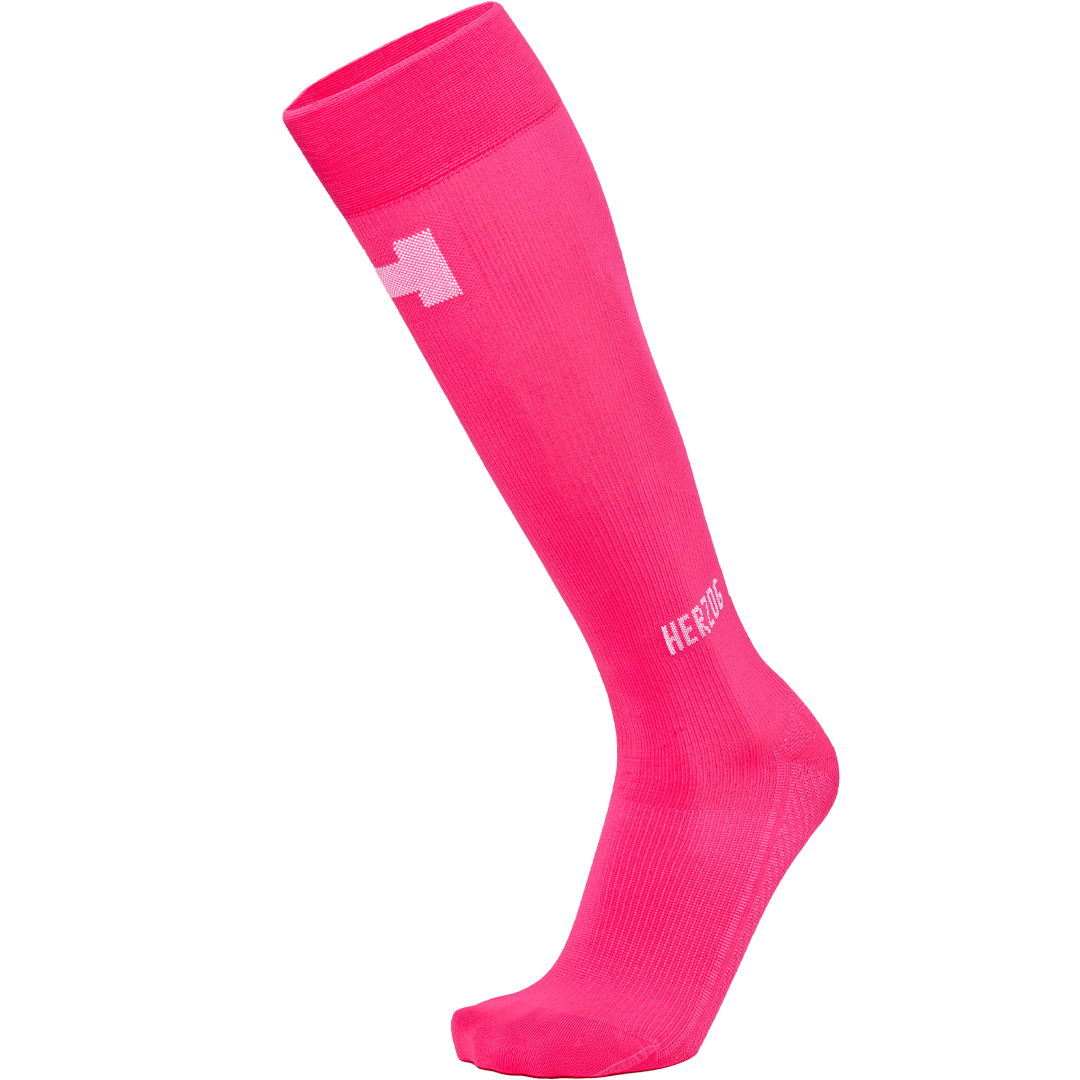
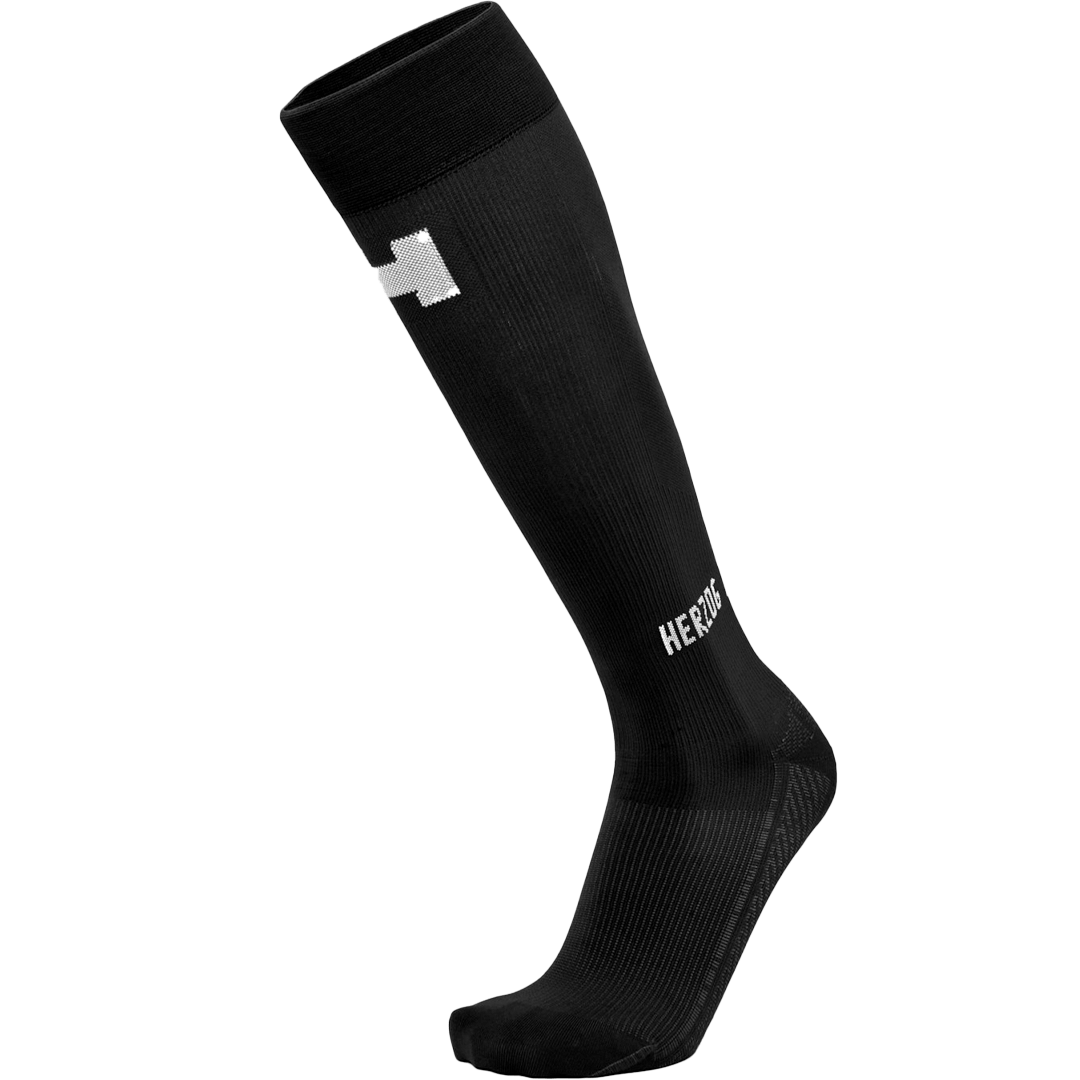
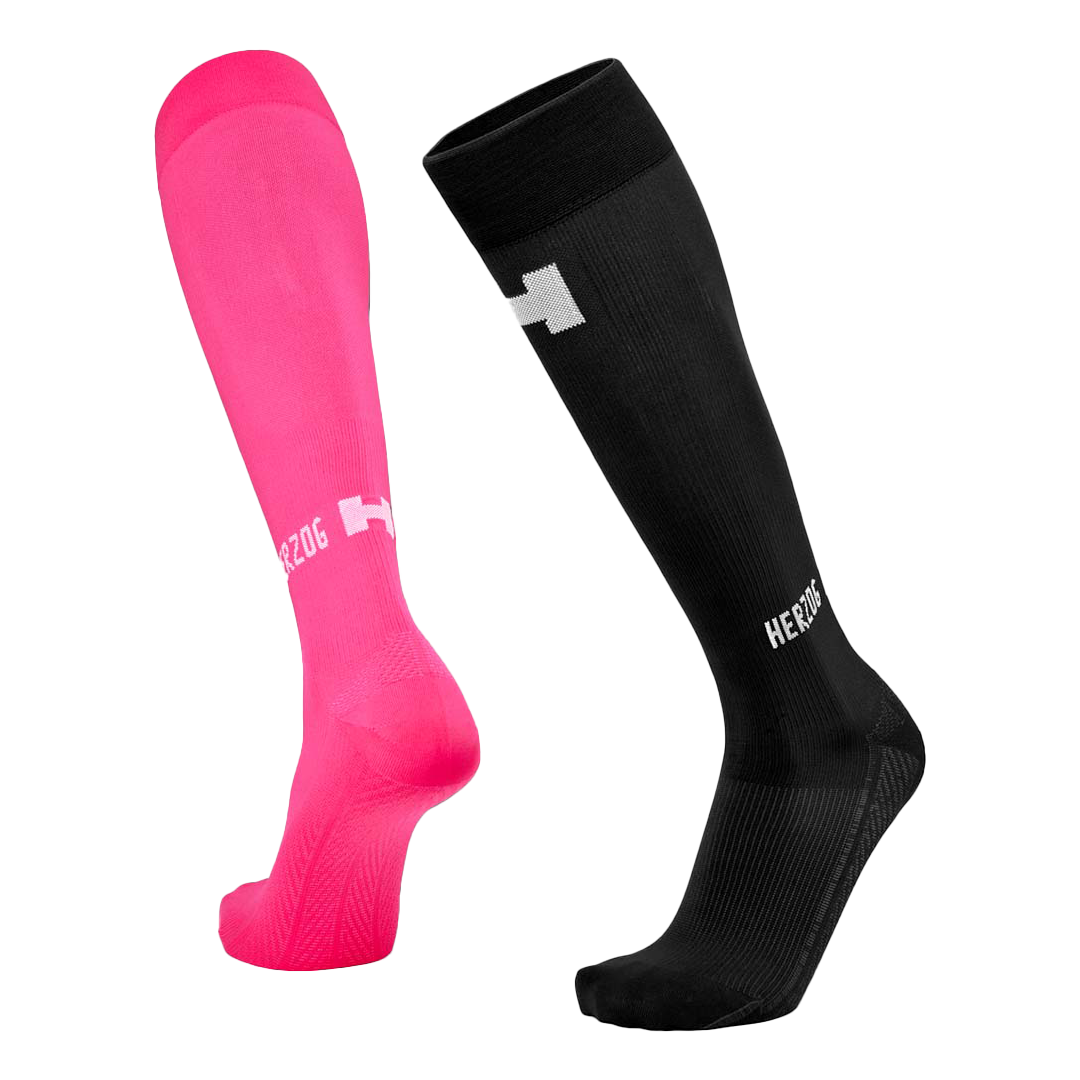
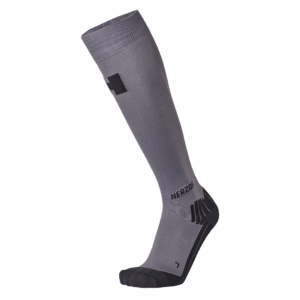
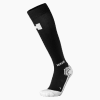
This development is clearly reflected at Herzog. More and more runners are opting for Herzog PRO Compression Stockings during long runs or competitions because they notice that their calves feel less heavy more quickly. This is no coincidence, as the stockings have been developed from years of knowledge about pressure distribution in the leg, not as a separate sports accessory. For many runners, this has now become a fixed part of their training routine, just like a good pair of shoes or a training schedule.

Side Image

What makes compression attractive for running?

While running, your calf muscles act as a pump, pushing blood up to the heart. During intense exertion or longer distances, this pumping action can lag, causing your legs to feel fatigued more quickly. Compression supports this process by applying light pressure to the muscles and veins. This allows blood to flow back more easily and limits swelling in the calf and ankle. Many runners notice this especially over longer distances, when fatigue normally sets in during the final kilometers. This makes compression as self-evident for some runners as a good warm-up.

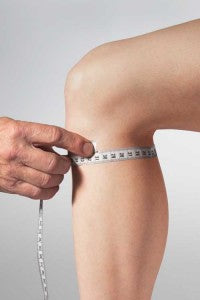
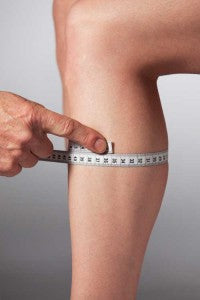
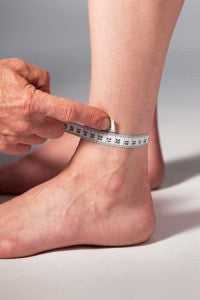
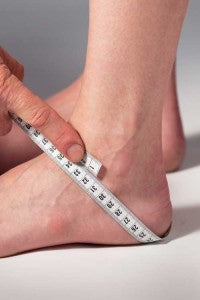
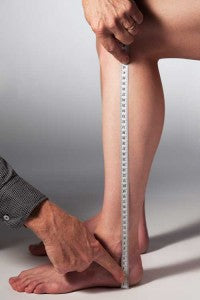
Not every sock works the same. For the effect of compression, it's about a controlled, gradual pressure distribution, where the pressure is highest at the bottom of the sock and gradually decreases towards the knee. Herzog's compression technology is specifically designed for this, with socks that are individually fitted at six measurement points. This is a different approach than a standard elastic sock, which is roughly equally tight everywhere and therefore does not precisely direct where the blood is most needed, ensuring the support aligns more accurately with the shape of your lower leg.

Runners who choose compression often do so for a reason. Consider someone training for a marathon who notices their calves feel heavier after twenty kilometers than in the first half, or a trail runnerwho moves over uneven terrain for hours and seeks extra stability around the calf. Runners who have previously experienced recurring calf complaints also try compression as a supplement to their running routine, alongside training progression and rest. This creates a habit that starts with curiosity and later becomes a permanent part of their gear, just like a running watch or special socks for blister prevention.

Side Image

How do you notice the difference during training and competition?

While running, many athletes primarily experience a feeling of support around the calf muscle. With each step, muscle fibers vibrate a little, and that costs energy in the long run. Compression somewhat limits this vibration, allowing muscles to do their work with slightly less effort. This is especially noticeable during long runs, interval training on the track, or competitions where you run at a constant pace for a longer period and every energy saving counts towards the finish line. For many long-distance runners, this difference is small per kilometer, but it adds up as the distance increases.

For runners with recurring calf complaintsor a sensitive shin bone, such as with shin splints, compression is often used as extra support during the run itself. The pressure can contribute to a more stable feeling in the lower leg, which is pleasant at times when the load increases, for example during a faster interval or a difficult incline. It is important that compression is not a substitute for good running technique or rest days, but it can be a valuable addition within a broader training plan. Those who frequently experience these types of complaints often also look at footwear and running surface, in addition to the role compression can play in this.

In competition conditions, temperature also plays a role. In warmer weather, legs can swell more quickly, making running feel heavier. Compression does not help to counteract heat, but the controlled pressure can contribute to a more comfortable feeling in the calf and ankle during the race. Many runners therefore consciously wear the same socks during training as during the race itself, so that the body is already accustomed to the pressure and no unknown factor is added on the day that it matters most.

Products in this blog

Side Image

When does compression help with post-run recovery?

After a long training session or race, recovery is just as important as the effort itself. Muscles need time to remove waste products and recover from micro-tears caused by exertion. Recovery with compression socksis about supporting blood flow in the hours after exercise, making it easier for the body to carry out its own recovery process. Many runners find their legs feel less stiff the day after a tough workout when they wear compression during that period.

Recovery is not the same for everyone. Someone struggling with an Achilles tendon injuryhas different concerns than a runner just returning from a hamstring injury. In both cases, targeted compression around the lower leg or calf can contribute to a more comfortable feeling during the recovery period, although progressive loading and sufficient rest remain the foundation. For persistent complaints, swelling that does not subside, or doubt about the cause, it is always advisable to consult a general practitioner or specialist before continuing training.

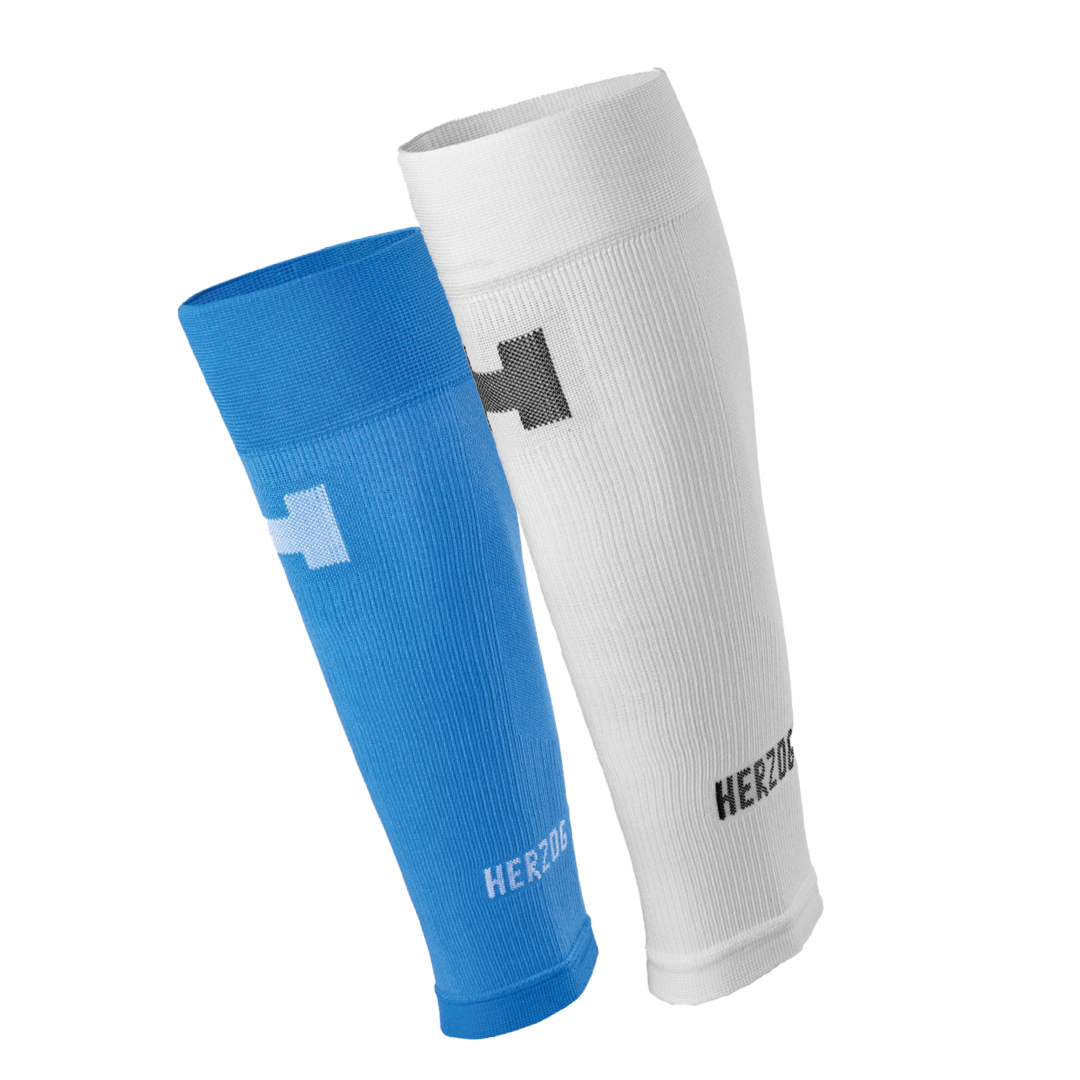
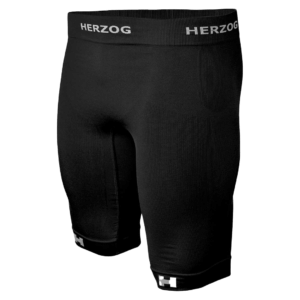
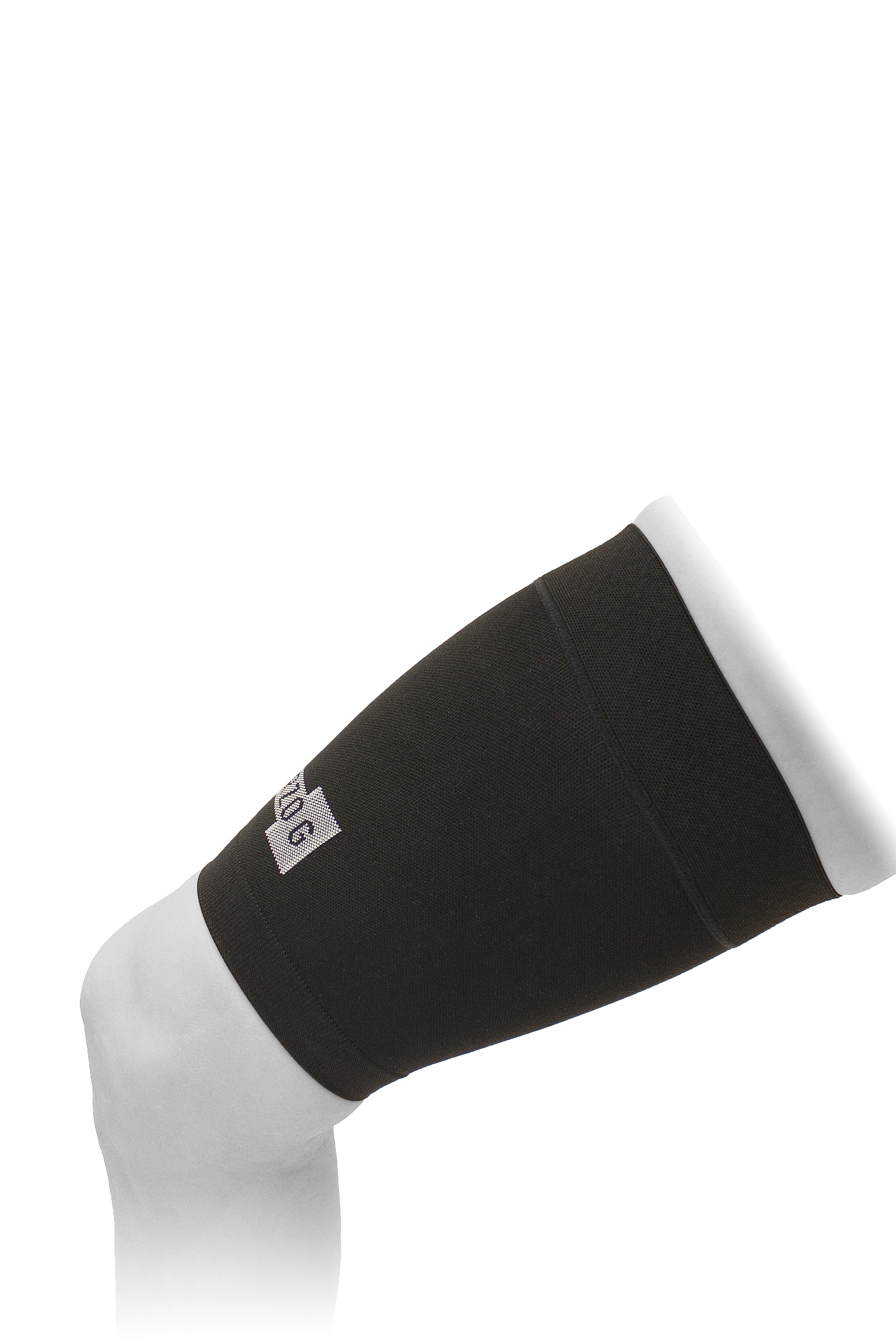
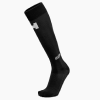
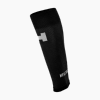
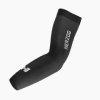
For over twenty years, Herzog has been working on compression technology and applies that knowledge to both medical hosiery and sports models. The Herzog PRO Compression Tubes and Herzog PRO Compression Socks have been developed from the same medical background that is also used by healthcare professionals, with an MDR certification as confirmation of their medical origin. For runners, this means a sock that was not created as a sports gadget, but as a product that has emerged from years of experience with pressure distribution in the body, applied to the practice of training and recovery.

Frequently asked questions

Is compression only for people with medical conditions?

No, compression is used by both athletes and people with medical conditions. Many runners without complaints choose it because they notice that their legs feel less heavy during and after running. For existing conditions such as varicose veins or thrombosis, it is advisable to consult a general practitioner or specialist first.

Do you wear compression during or only after running?

That differs per runner and per goal. Some runners wear compression only during training or competition for extra support, while others use it after running to aid recovery. Both applications exist, and it's mainly a matter of trying out what feels most comfortable.

What is the difference between a standard sock and medical compression?

A standard elastic sock has roughly the same pressure everywhere, while medical compression works with a controlled, graduated pressure distribution that is highest at the bottom and decreases upwards. This allows the support to more precisely match the blood circulation in the leg. This distinction is why many athletes switch from regular socks to specialized compression.

Relevant blogs

6 Effective tips to prevent and relieve shin splints

Prevent and alleviate shin splints with 6 practical tips for runners. Less pain, faster recovery, and better training.

Treating Whiplash: 3-Phase Recovery with Compression and Cold Therapy

Recovering from a calf strain? Discover the 3 recovery phases and how compression and cold therapy can contribute to optimal and responsible recovery.

All about calf problems: causes, symptoms, and what you can do about them

Suffering from calf complaints? Read all about possible causes, common symptoms, recovery, and what you can do to prevent calf complaints.