
Compression Stockings on the Plane: Facts and Myths

Compression stockings are increasingly being worn during air travel, but there are still many misconceptions about when and why you should wear them. Are they only intended for older travelers or people with medical conditions, or can they be pleasant for anyone who sits still for a long time during a flight? Many travelers wonder whether wearing them is necessary for a short two-hour flight, or only becomes relevant for longer flights.

At Herzog Medical, we see that more and more travelers are taking Herzog compression stockings with them on vacation or business trips, not just people with existing leg complaints. Some wear them preventatively on a flight to a faraway destination, others because they are already familiar with swelling or a heavy feeling in their legs after sitting for a long time. The question is which of these habits is based on facts and which on assumptions.

Side Image

Are compression stockings only for the elderly or people with complaints?

A persistent myth is that compression stockings are exclusively for older people or those with a medical diagnosis. In reality, anyone who sits still for a prolonged period experiences a similar effect on blood circulation, regardless of age. During a multi-hour flight, you move very little, which means blood is pumped back less actively from the legs to the heart. This can result in a heavy or tense feeling in the calves and ankles, even in young and healthy travelers without underlying complaints.

Another myth is that compression stockings are only useful for existing conditions such as varicose veinsor swollen ankles. Compression also works preventatively by supporting pressure on vein walls and stimulating circulation before symptoms even appear. Those who regularly take long flights for work often find that wearing stockings contributes to a lighter feeling upon arrival, even without an underlying condition. This makes their use more broadly applicable than many people think.

For people with sedentary jobs, this principle is not new. Anyone who sits behind a desk all day recognizes the same feeling of heavy legs at the end of the day as someone after a long flight. The body reacts similarly to prolonged inactivity, whether at the office or in an airplane seat. You can read more about this connection between sitting still and leg complaints in sedentary jobs and compression stockings, where the same mechanisms are at play as during flying.

Side Image

What happens to your legs during a long flight?

During a flight, you often sit in the same position for hours, with little room to stretch your legs. This restricts the function of the calf muscle, which normally acts as a kind of pump to push blood upwards towards the heart. Without this movement, blood can accumulate in the lower legs, which manifests as a heavy, tense or tingling sensation. On a short flight of an hour, this effect is usually limited, but on intercontinental flights of eight hours or more, it becomes more noticeable.

In rare cases, prolonged inactivity can contribute to the formation of a blood clot in the leg, also known as deep vein thrombosis. This is a serious condition that requires medical assessment, especially with risk factors such as previous thrombosis, recent surgeries, or hormonal medication. More information about the signs and the difference between normal travel fatigue and a medical problem can be found on the page about thrombosis. If you are concerned about your own symptoms, always contact your GP before flying.

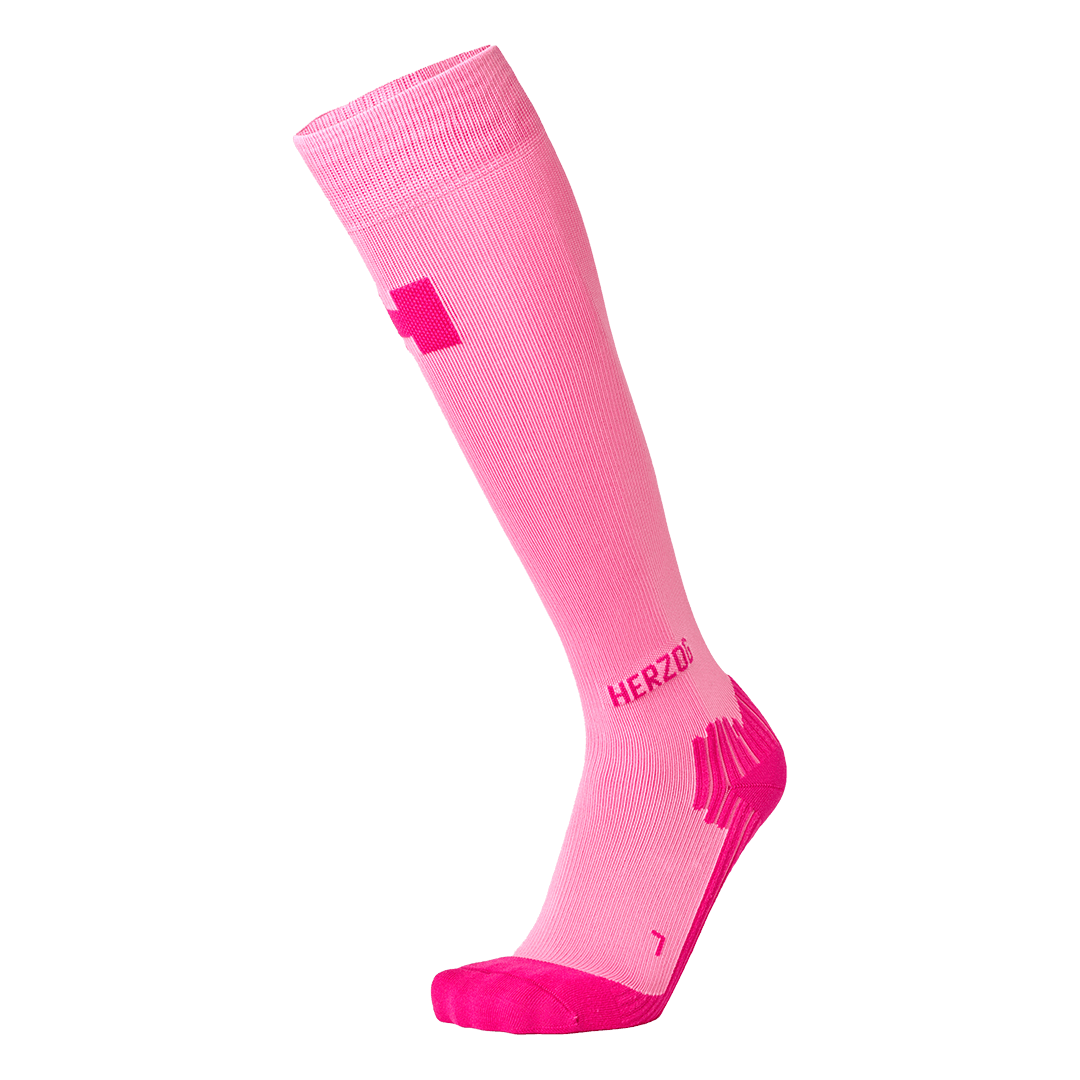
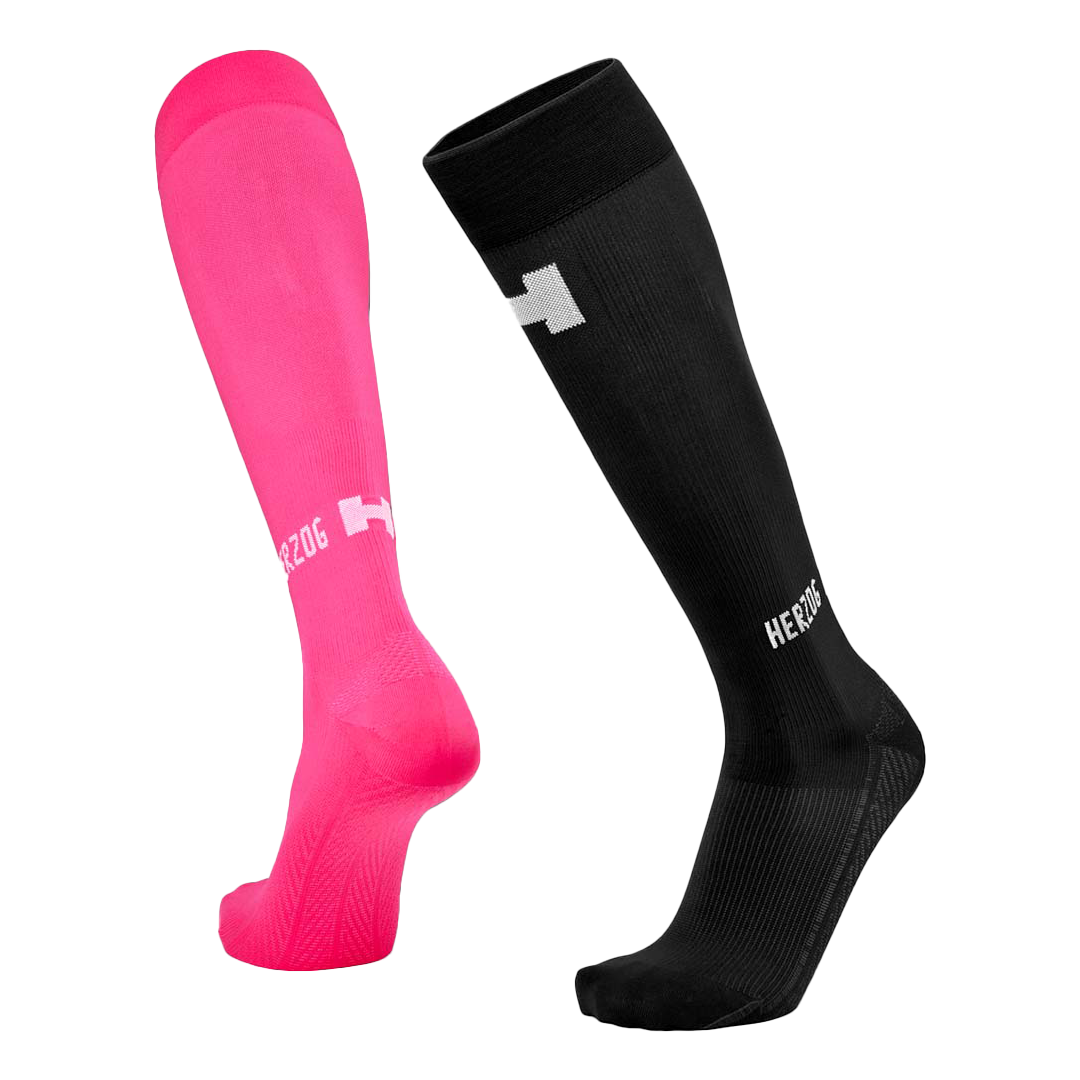
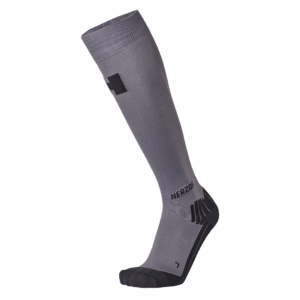
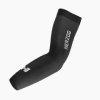
Herzog's compression technology addresses this mechanism by providing gradual pressure build-up, with the highest pressure at the ankle and decreasing pressure towards the knee. This gradual build-up supports the natural blood flow back to the heart, even when the calf muscle itself is not very active. For people who are already familiar with restless legsor a heavy feeling after sitting for a long time, this can make the difference between arriving with stiff legs or disembarking relatively fresh during a flight.

Products in this blog

Side Image

What should you pay attention to when wearing compression stockings on a plane?

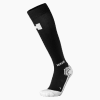
Not all stockings work the same. A simple elastic stocking from the drugstore offers hardly any targeted pressure and can even constrict in the wrong place, which is counterproductive. Herzog medical compression stockings are developed with a controlled gradual pressure distribution, where the pressure gradually decreases from ankle to knee. This ensures consistent support for blood circulation throughout the flight, instead of a stocking that rides up or constricts the calf after an hour.

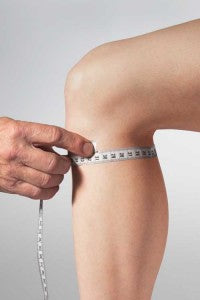
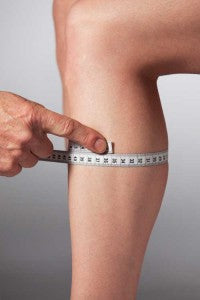
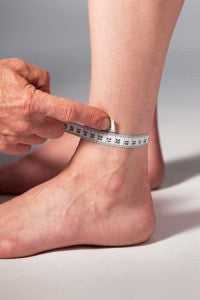
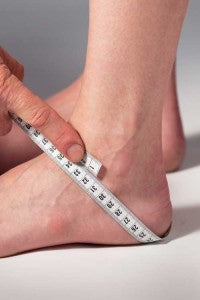
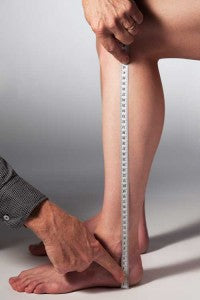
The correct size is at least as important as the brand. A stocking that is too tight will cut in and restrict blood flow instead of supporting it. A stocking that is too loose will have little effect. At Herzog, the PRO Compression Stockingsare individually fitted at six measuring points, so that the pressure distribution matches the shape of the leg. These products bear an MDR quality mark and are used by both athletes and healthcare professionals, which indicates that the fit is precisely tailored for medical use.

In addition to the correct size, comfort during travel also counts. Breathable material prevents legs from sweating during a long flight, and a seamless finish prevents irritation with shoes or while sleeping in the seat. With over twenty years of experience in compression technology, Herzog looks at the balance between medical effectiveness and daily comfort, so that a stocking is not only functional but also comfortable during a long journey.

Frequently Asked Questions

Should you wear compression stockings on every flight?

That depends on the duration of the flight and your personal situation. For a short flight of an hour, the effect is often limited, while for longer flights, many people may find it comfortable. If in doubt or if you have existing complaints, it is advisable to discuss this with your GP beforehand.

Can you use regular sports socks instead of compression stockings?

Regular sports socks usually do not offer targeted pressure distribution and therefore work differently from medical compression stockings. Compression stockings are designed with graduated pressure from ankle to knee, which supports blood circulation during prolonged sitting. For pure comfort during sports, a sports sock is sufficient, but for travel, a compression stocking with controlled pressure buildup is more suitable.

Can you wear compression stockings for the entire flight?

Most people wear them without problems throughout the flight, including while sleeping in their seat. However, pay attention to signs such as tingling, discoloration, or pain, and remove the stocking if these occur. If you are unsure about the correct wearing duration, consulting a doctor or specialist is advisable.

Relevant blogs

6 Effective tips to prevent and relieve shin splints

Prevent and alleviate shin splints with 6 practical tips for runners. Less pain, faster recovery, and better training.

Treating Whiplash: 3-Phase Recovery with Compression and Cold Therapy

Recovering from a calf strain? Discover the 3 recovery phases and how compression and cold therapy can contribute to optimal and responsible recovery.

All about calf problems: causes, symptoms, and what you can do about them

Suffering from calf complaints? Read all about possible causes, common symptoms, recovery, and what you can do to prevent calf complaints.