How compression helps reduce muscle vibration during running

While running, your legs are constantly subjected to impact. With each step, muscles, tendons, and joints absorb the shock of the landing. The calves and thighs, in particular, are heavily stressed, and with every landing, the muscle tissue vibrates slightly. This vibration, also known as muscle oscillation, costs energy and can contribute to a tired or restless feeling in the legs during longer training sessions.

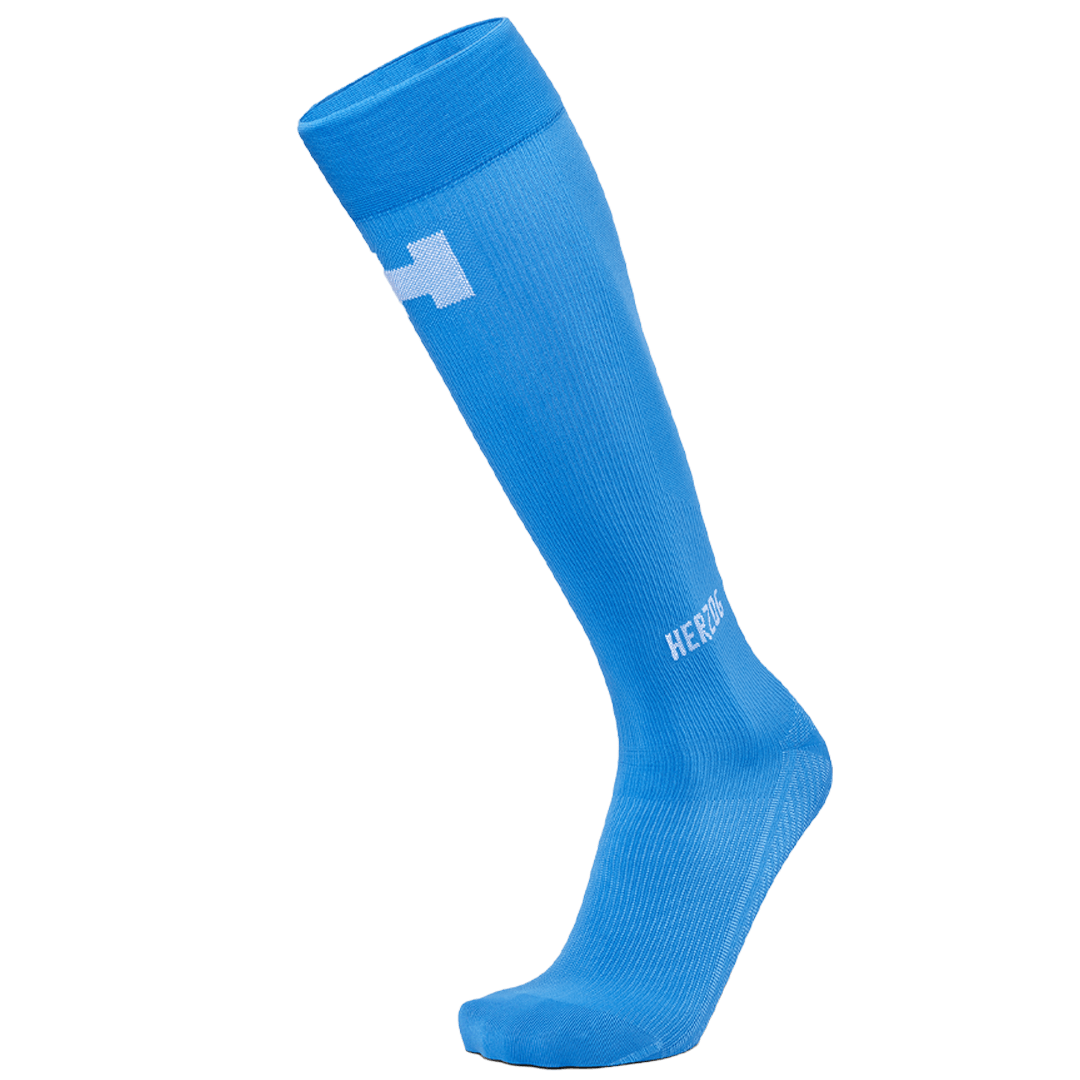
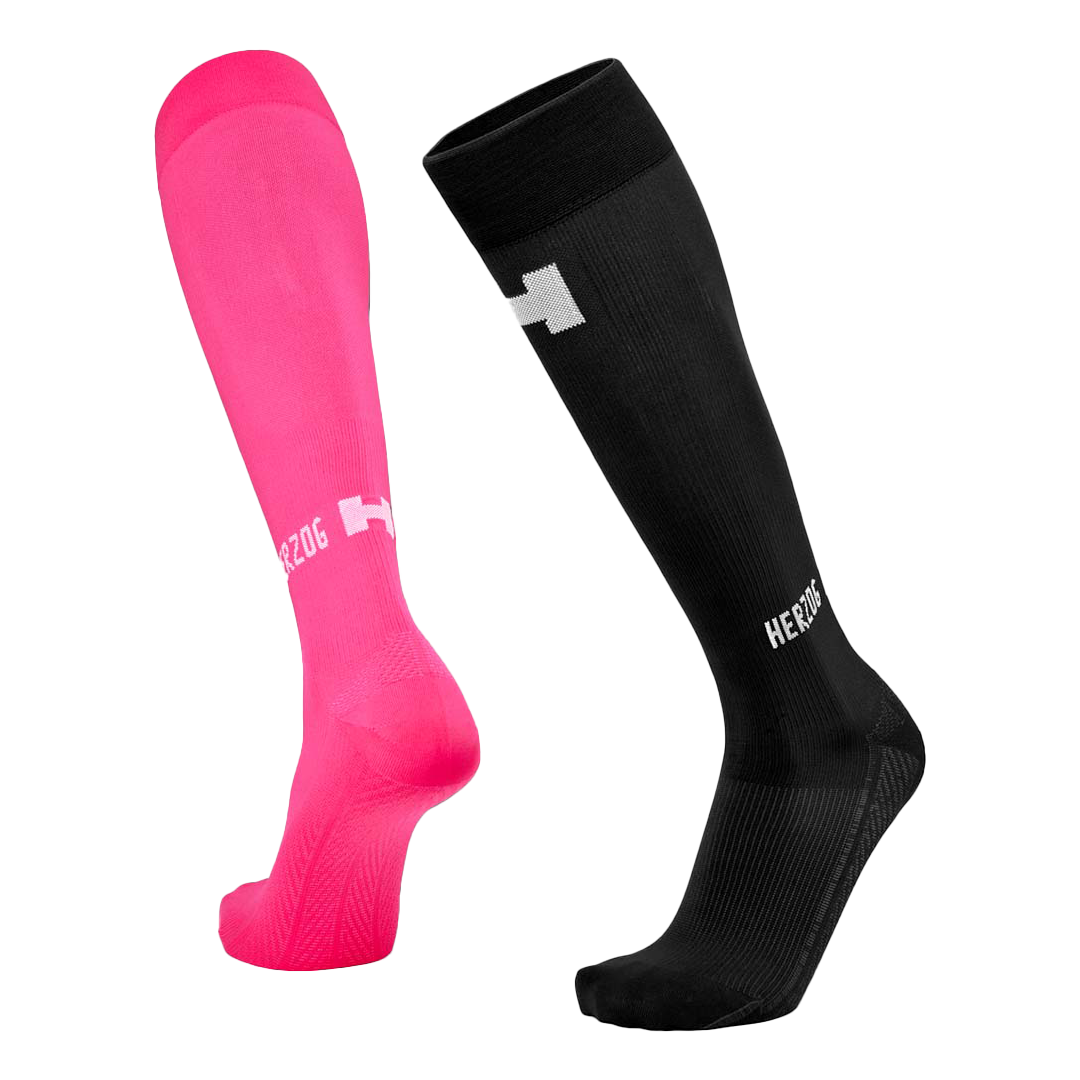
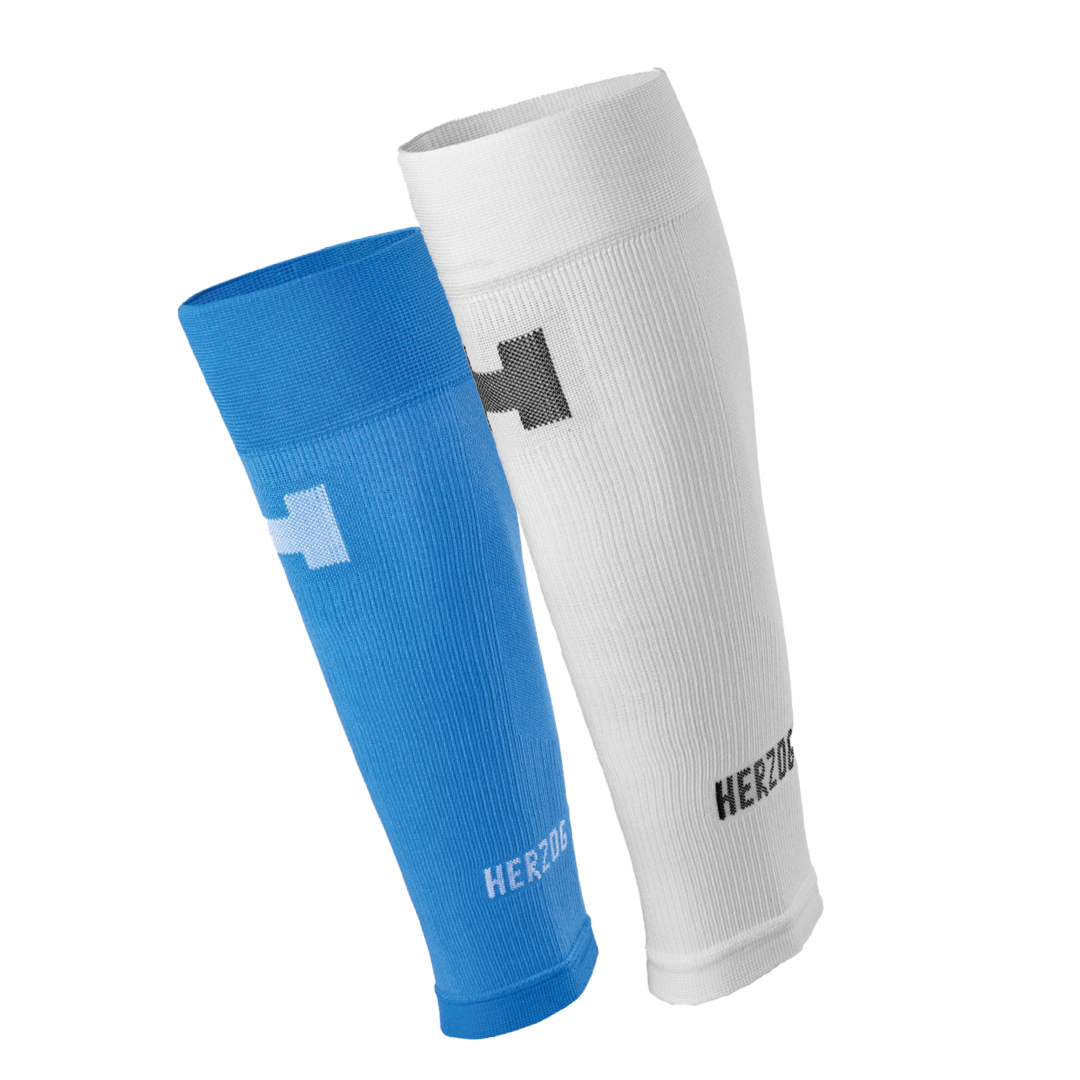
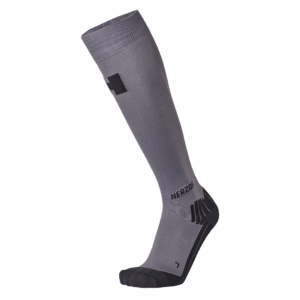
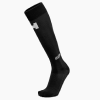
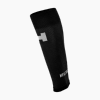
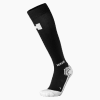
Many runners notice this especially during long runs or intensive interval training, when their calves start to feel heavy and restless. Herzog PRO Compression Socks are often worn in these situations as extra support during running, because targeted pressure holds the muscle tissue slightly more firmly in place during successive landings. This leaves less room for unnecessary vibrations and can make running feel less tiring.


Side Image

What happens in your muscles when you run?

With every foot strike, your body moves downward with force, and that force has to go somewhere. Muscle tissue that is not tightly contracted will briefly vibrate before stabilizing again. This happens very quickly and is barely visible to the naked eye, but the muscle tissue does notice it. Over longer distances or on uneven surfaces, such as during trail running, this vibrational movement is often greater because the landing is less predictable. The greater the vibration, the more energy the body expends absorbing it, which can contribute to a faster feeling of fatigue in the legs.

These vibrational movements are mainly concentrated in the calf muscles, as they do most of the work with each step. The calf acts as a kind of spring that absorbs the landing and prepares for the push-off. When this muscle tissue constantly moves a little, it can contribute to complaints such as stiffness or a heavy feeling in the lower leg. Some runners recognize this as restlessness in the calves after a long run, while others experience it more as fatigue. With persistent complaints, it is advisable to look at the cause of calf complaints, instead of considering this a normal training phenomenon.

In addition to the calves, the thighs and the Achilles tendon also play a role in absorbing impact. With repeated stress, the tendon can become strained, which in the long term can contribute to complaints associated with an Achilles tendon injury. The front of the lower leg, where the shin muscles are located, also absorbs a shock wave with each step. In runners who quickly increase distance or intensity, this area sometimes becomes overloaded, which can contribute to complaints similar to shin splints. The vibrational movements that occur here are therefore not just a calf story, but take place in multiple muscle groups simultaneously.

Side Image

How does compression help against muscle vibrations?

Compression works by applying targeted pressure to the muscle tissue, leaving less room for the vibrating movement that occurs with every impact. The tissue is, as it were, pressed a little more firmly against the bone and surrounding structures, so that the energy of the impact has less free play. This principle is described in more detail on the page about the working of compression, where you can read how pressure affects blood flow and muscle stability. For runners, the effect on muscle stability is particularly relevant, as it contributes to a calmer feeling in the legs during running.

With Herzog compression stockings, this pressure is not built up randomly, but according to a controlled gradual pressure distribution, where the pressure at the bottom of the leg is slightly higher than further up. This aligns with how the muscle tissue is stressed during running and ensures that the stocking provides support over the entire length of the leg, instead of only at a single point. Herzog has been working with this compression technology for over twenty years, which was originally developed from medical applications and later also found its way into the sports world. This background means that the build-up of pressure is different from a standard elastic stocking.

The effect of compression on muscle vibrations is often mentioned together with recovery, but the two are not the same. During running, it is mainly about limiting unnecessary movement in the muscle tissue, while recovery afterwards is more about supporting blood circulation. On the page about recovering with compression stockingsthis distinction is further explained. For runners who cover many kilometres, wearing compression during the exertion itself can therefore serve a different purpose than wearing it afterwards, even though the same stocking is often used for both moments.

Products in this blog

Recovery Gun
€175,00
Recovery Gun
€175,00
Side Image

What should you consider when choosing compression for running?

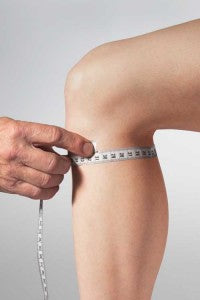
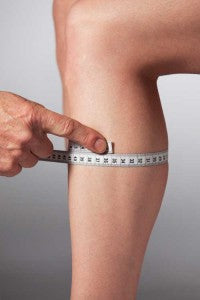
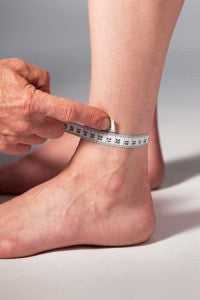
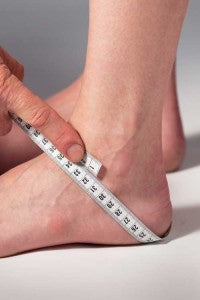
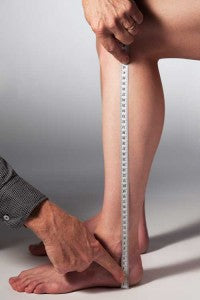
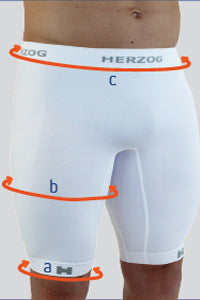
Not every pair of compression socks fits the shape of your lower leg equally well, and that makes a difference in how effectively pressure is built up. That's why Herzog custom compression socks are individually measured at six points along the leg, so that the sock fits precisely the unique shape of the calf and ankle. A sock that pinches in the wrong place or is too loose offers less support against the vibratory movement that occurs during running. For runners with a pronounced calf circumference or a narrow ankle, this difference can be noticeable, especially during longer distances such as trail running or a marathon.

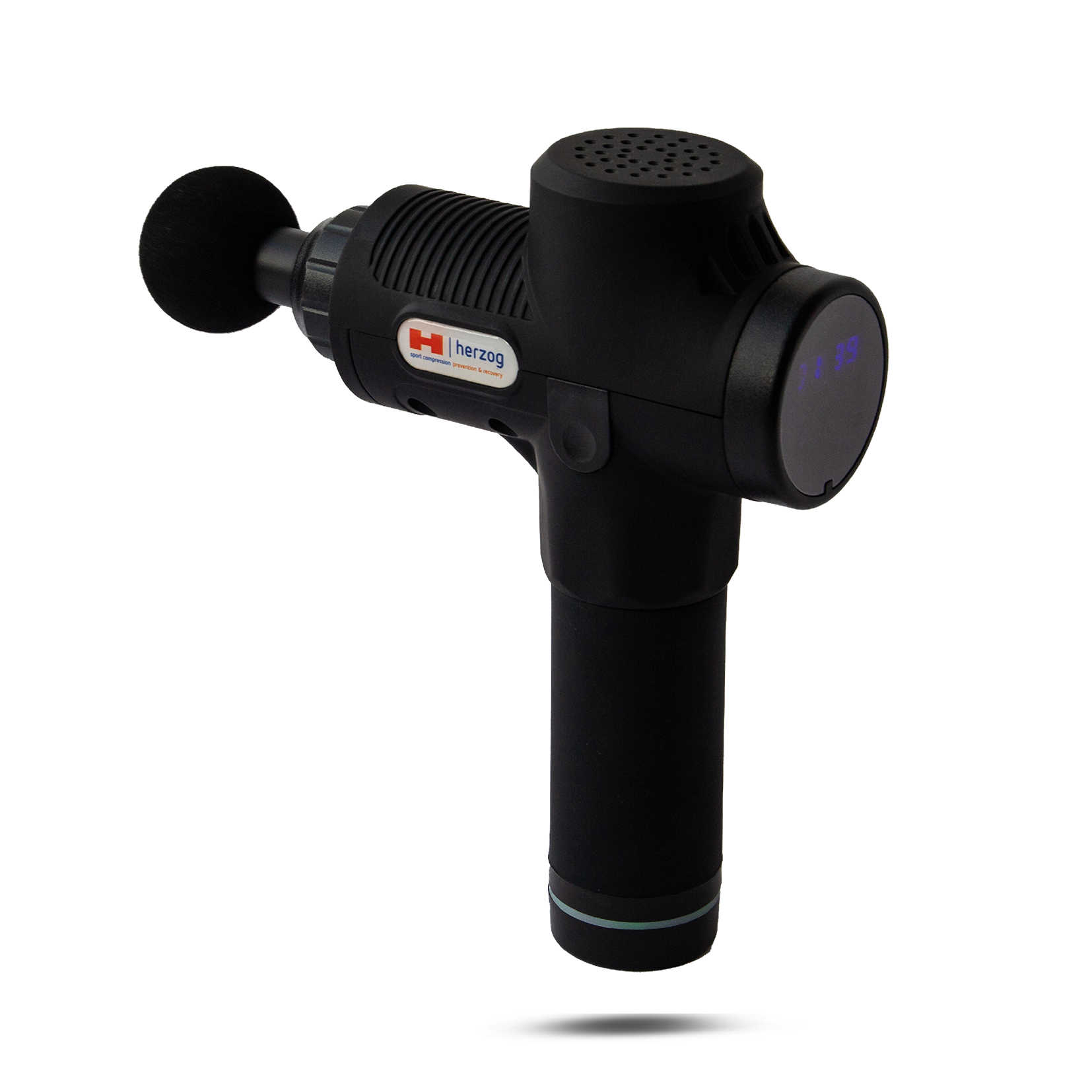
After a training session, it's not just the sock that can play a role, but also how you further treat the muscle tissue. Many runners combine wearing compression with other forms of aftercare, such as stretching, walking, or using a massage device on the calves and thighs. A Recovery Gun can be used to stimulate blood flow in the muscle tissue after the vibrations of the training have stopped. This is not a substitute for compression, but a supplement that plays a role at a different point in the process, namely after exertion instead of during running itself.

For most runners, compression is a neutral form of support during running, but there are situations where consultation with a general practitioner or specialist is first necessary, for example, with an existing diagnosis of thrombosis, varicose veins that already cause symptoms, or leg edema. Herzog develops its socks based on medical compression technology, which means that the pressure build-up is based on how muscle tissue and blood circulation react during movement, both in athletes and in healthcare professionals who wear compression for other reasons. This background, built on over twenty years of experience, explains why the explanation of muscle vibrations during running aligns with how muscle tissue actually responds to pressure and movement.

Frequently asked questions

Does compression really help against vibrating muscles during running?

Compression can contribute to less vibration in muscle tissue, as the pressure holds the tissue slightly more firmly in place during impact. It is mainly supportive and is not a substitute for proper training. Many runners do experience a calmer feeling in their legs during longer distances.

Should you wear compression socks during every training session?

That depends on the duration and intensity of the training and how your body reacts to it. For short, easy runs, many people notice less difference than for long runs or races. It's a matter of experimenting with what feels comfortable for your legs.

Can you also use compression socks if you already have calf or shin complaints?

Compression can be supportive for calf or shin tension, but it is not a substitute for medical treatment. If you experience persistent or increasing pain, it is advisable to consult a general practitioner or physiotherapist. This way, you prevent underlying conditions from being overlooked.

Relevant blogs

6 Effective tips to prevent and relieve shin splints

Prevent and alleviate shin splints with 6 practical tips for runners. Less pain, faster recovery, and better training.

Treating Whiplash: 3-Phase Recovery with Compression and Cold Therapy

Recovering from a calf strain? Discover the 3 recovery phases and how compression and cold therapy can contribute to optimal and responsible recovery.

All about calf problems: causes, symptoms, and what you can do about them

Suffering from calf complaints? Read all about possible causes, common symptoms, recovery, and what you can do to prevent calf complaints.