Running Safely in the Heat: How to Stay Safe and Enjoy Your Workout

A sunny day can be incredibly inviting for a run outdoors. However, running in high temperatures demands more from your body than many athletes realize. While you might have effortlessly maintained a certain pace in spring, the same training session on a hot summer day can suddenly feel much tougher. This doesn't mean you can't run when it's hot; with the right preparation and a few smart adjustments, you can continue to train responsibly throughout the summer.

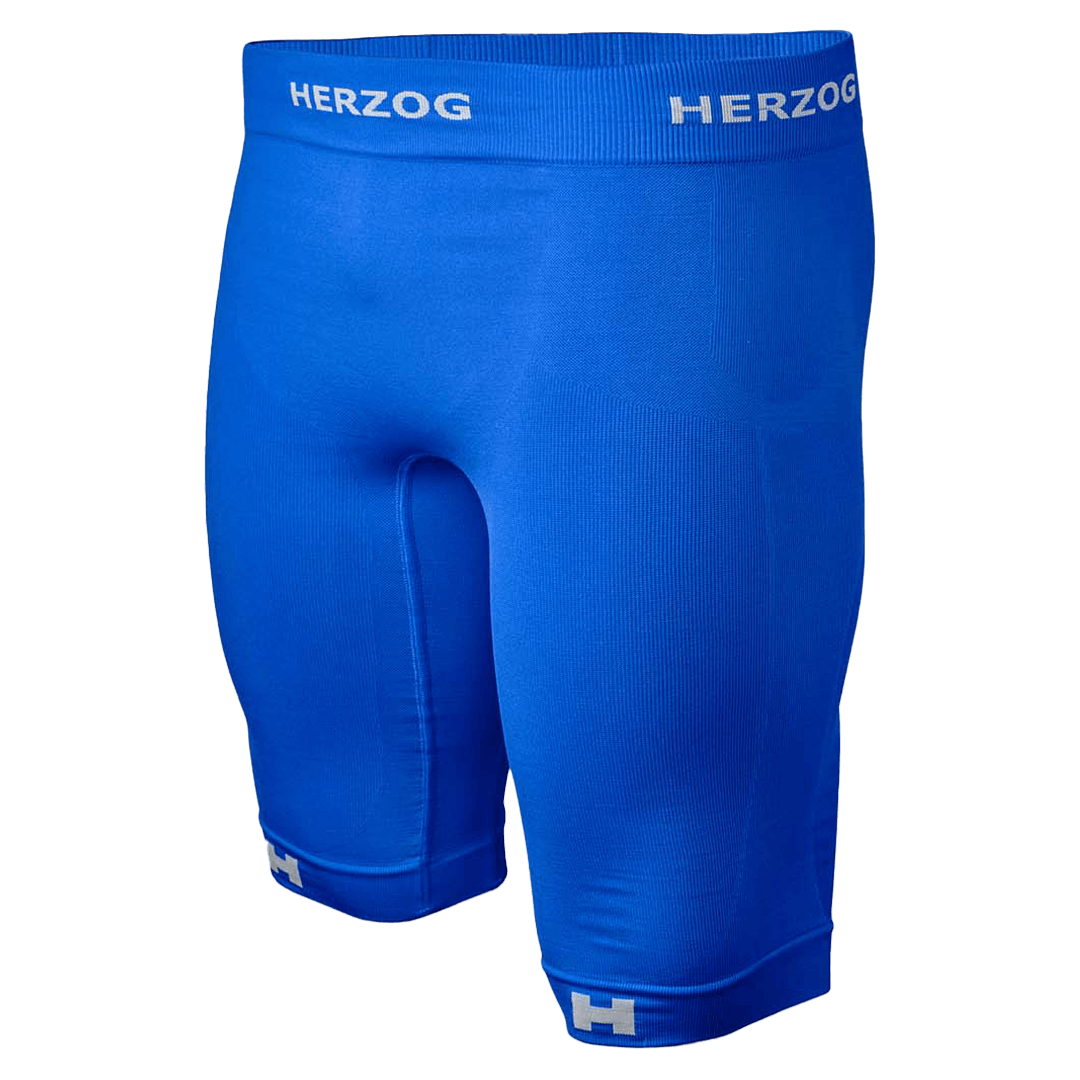
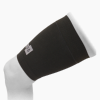
Many runners notice that their muscles fatigue faster during warm-weather training and that recovery takes longer. This is where Herzog's compression technology plays a role, for example, with the PRO Sport Compression Shorts, which support blood circulation in the upper legs during exertion. Such a practical application helps to continue running comfortably even on hot days without unnecessary increases in fatigue. It's a complement to good preparation, not a substitute for it.

Side Image

What happens in your body in warm weather?

In warm weather, your body has to work extra hard to maintain your core temperature. The sweat that covers your skin evaporates and provides cooling, but this process costs energy and fluid. In addition, your body sends more blood to the skin to dissipate heat, leaving less blood available for your muscles. The result is that your heart rate increases faster for the same effort than on a cool day. It's recognizable as the feeling that a pace that was effortless in April suddenly feels heavy in July, even if you haven't changed anything in your training.

Besides the extra strain on your heart, you lose fluid and salts faster through sweat in warm weather. This fluid loss causes your blood volume to temporarily drop, making it even harder for your heart to supply muscles and skin with enough blood. Electrolytes like sodium and potassium are also lost, and a deficiency of these can contribute to cramps or a heavy feeling in the legs. Many runners therefore experience that calf complaintsoccur more quickly during warm training sessions than in cooler conditions, especially if not enough fluids have been consumed.

This combination of fluid loss and increased heart rate makes exertion feel subjectively harder, even if you are actually running at the same pace as usual. Your concentration may decrease, making you less sharply responsive to irregularities in the course or to signals from your own body. This is a normal physiological reaction and not a sign that your fitness has deteriorated. It mainly means that your training schedule needs to be adjusted to the circumstances for a while, instead of sticking to a pace that was achievable in cooler months.

Side Image

How do you prepare well for a warm running session?

The simplest adjustment is to shift your running time to the early morning or late evening, when the temperature and sun strength are lower. Between noon and four o'clock, the sun is usually at its highest, and the strain on your body is greatest. If you do opt for a daytime training session, choose a route with sufficient shade, for example, along a forest or park, and anticipate a slower pace than you are used to. Adjusting your start time requires little effort but directly impacts how challenging the training feels.

Drink enough before your training begins and, for longer distances, bring water with you along the way, especially if you plan to run for more than forty-five minutes. Light, breathable clothing helps your body dissipate heat better. Many runners find that targeted support for the leg muscles during warm training contributes to a more pleasant running experience, as described in the effects of compression, for example, with the PRO Sport Compression Shorts, which support the muscles in the upper legs during exercise without causing overheating. This is particularly relevant for longer endurance runs where muscle fatigue due to heat can occur more quickly.

Gradually build up your pace instead of starting at your normal speed immediately, so your body has time to adapt to the heat. While running, pay attention to signs such as a dull feeling in the head or an unusually high heart rate, and adjust your speed accordingly. For those seriously into running, it is worthwhile to consciously plan lighter training sessions during warm periods and distribute the intensity build-up over the week, instead of concentrating everything on one warm day.

Products in this blog

Side Image

When should you be concerned while running?

An increased heart rate, more perspiration, and a heightened sense of exertion are normal reactions to warm weather and no cause for concern in themselves. It becomes different when the complaints are no longer proportionate to the effort you are making, or when they persist after you have stopped running. This distinction is not always easy to make during the sport itself, especially since the heat and exertion can make you less aware of your body's actual condition.

Persistent overheating can range from fatigue and decreased performance to more serious bodily reactions, making it harder to assess how serious the situation is. When in doubt, it is better to interrupt your training than to push through, as the consequences of running too long in the heat are often greater than the loss of a training session. Especially when running in combination with little wind cooling, such as on an asphalt road without shade, your body temperature can rise faster than you realize.

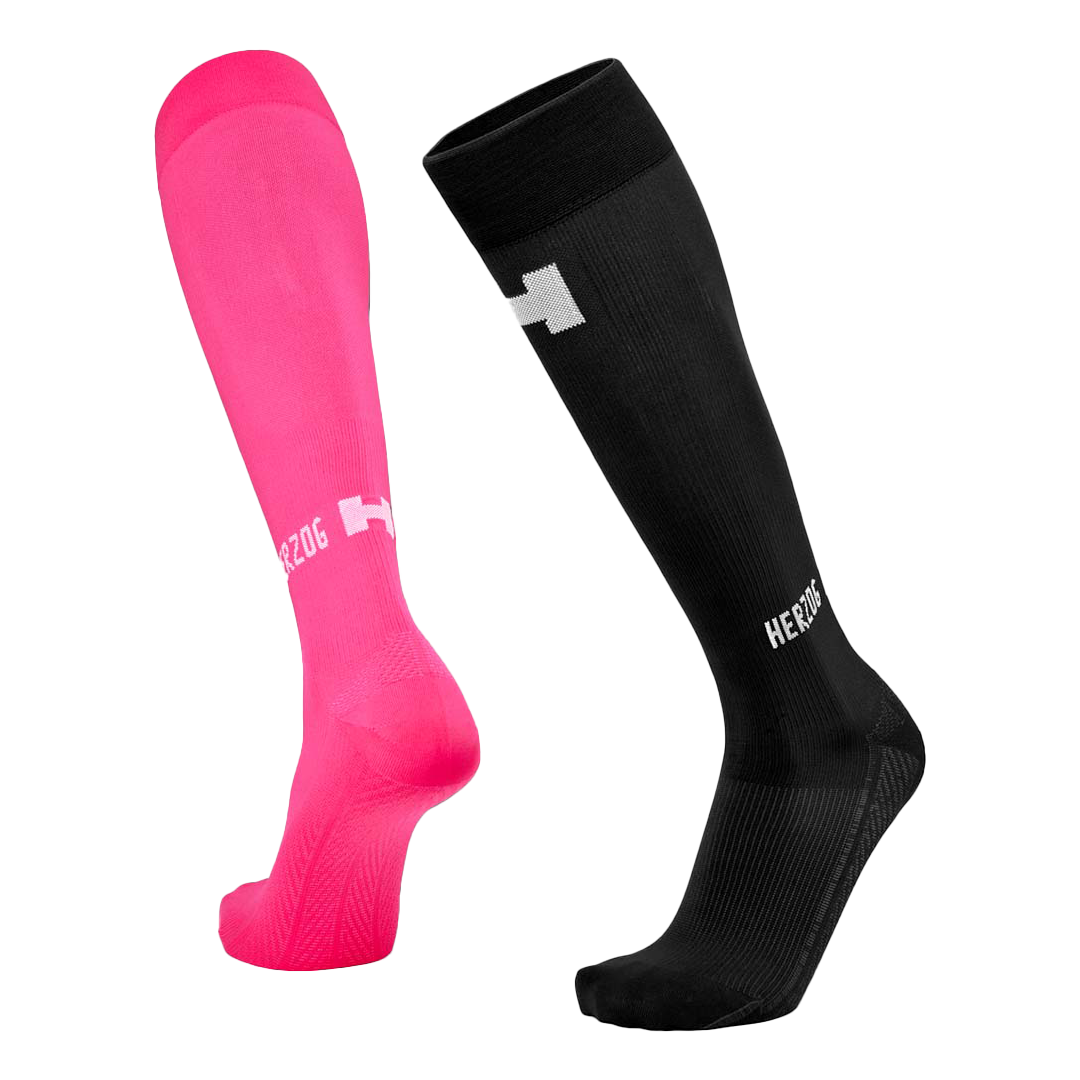
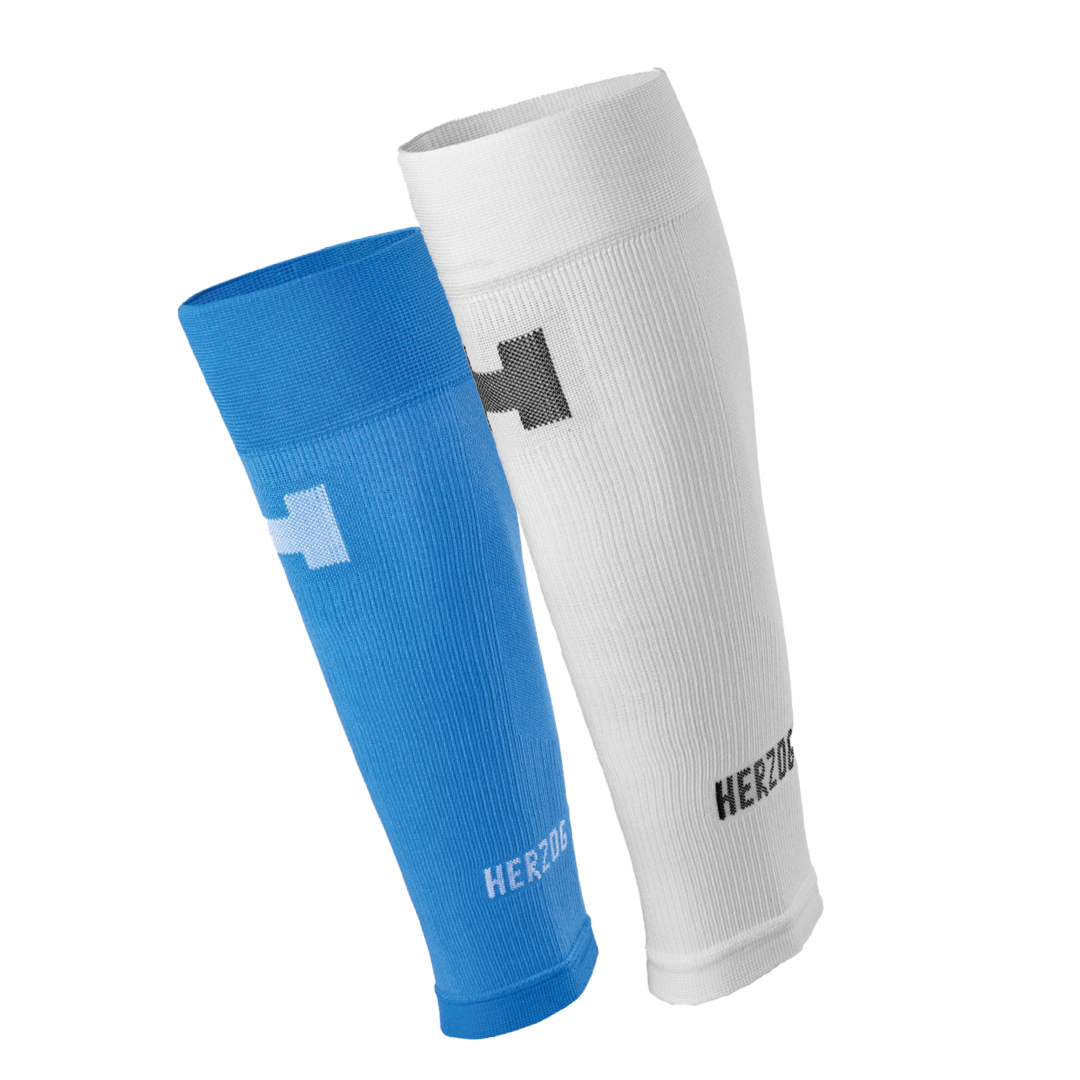
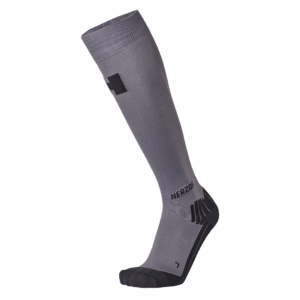
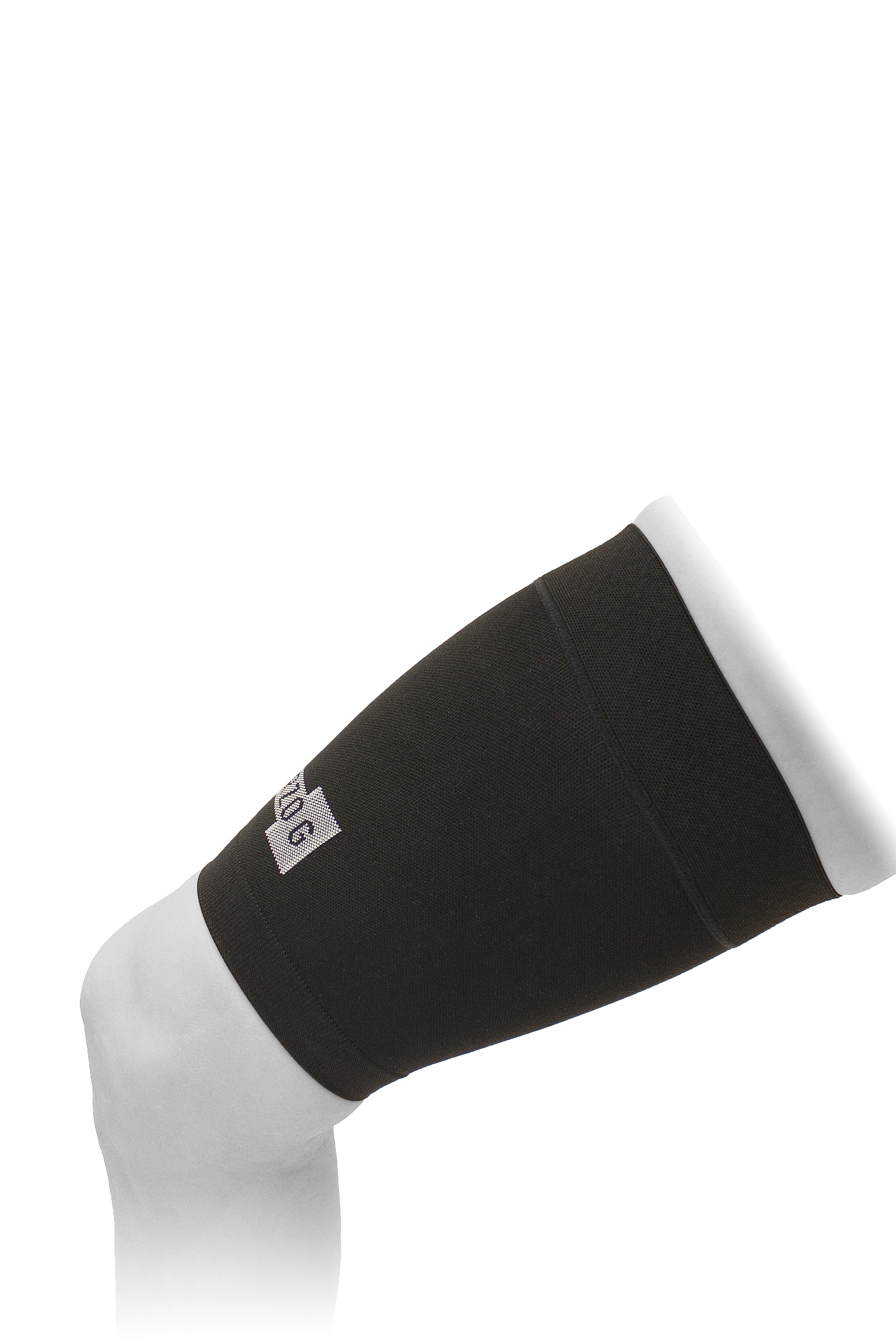
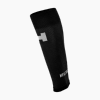
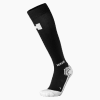
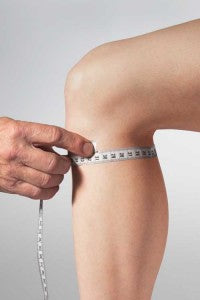
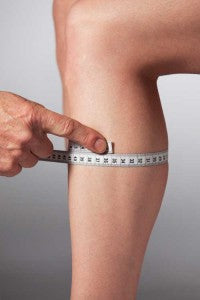
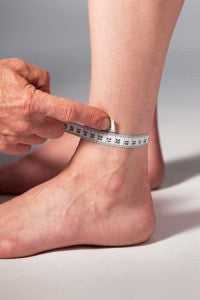
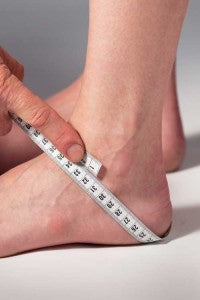
If you notice that symptoms persist even after you have cooled down and had enough to drink, consult a doctor, especially with recurring dizziness or a swollen feeling in the legs. Herzog has been working for over twenty years on compression technology that supports both athletes and healthcare professionals, with controlled gradual pressure distribution that can support blood circulation during and after exertion. The Herzog PRO Compression Socks and Herzog PRO Compression Tubes have an MDR quality mark and are individually fitted at six measuring points, which is a different starting point than a standard sock that is not tailored to your own body.

Frequently asked questions

Can I always run when it's hot?

In principle, you can continue running in hot weather, but it's wise to adjust your pace, timing, and hydration. Preferably choose early morning or late evening and gradually build up intensity. In extreme heat or during a heatwave, it's sometimes better to reschedule or shorten a training session.

Does compression clothing help when running in the heat?

Many runners experience that targeted support for leg muscles contributes to a more comfortable running feeling, even during warm training sessions. This is not a substitute for good hydration or an adjusted pace, but an addition to it. The experience varies per person and per type of effort.

What should I do if I feel dizzy while running in the heat?

Immediately stop running, seek shade, and slowly drink some water. If the dizziness persists or if nausea or confusion occurs, contact a doctor. Do not resume training until the symptoms have completely disappeared.

Relevant blogs

6 Effective tips to prevent and relieve shin splints

Prevent and alleviate shin splints with 6 practical tips for runners. Less pain, faster recovery, and better training.

Treating Whiplash: 3-Phase Recovery with Compression and Cold Therapy

Recovering from a calf strain? Discover the 3 recovery phases and how compression and cold therapy can contribute to optimal and responsible recovery.

All about calf problems: causes, symptoms, and what you can do about them

Suffering from calf complaints? Read all about possible causes, common symptoms, recovery, and what you can do to prevent calf complaints.