Why the correct compression pressure is important for athletes

Compression socks are popular among athletes. From runners and hikers to cyclists and team sports players, more and more people are using compression during training, competitions, and recovery periods. However, there is a lot of difference between the socks you encounter. A sock may look sporty, but ultimately it's about how the pressure is distributed across the lower leg. This exact distribution determines how well a sock provides support during movement, and why compression pressure deserves so much attention.

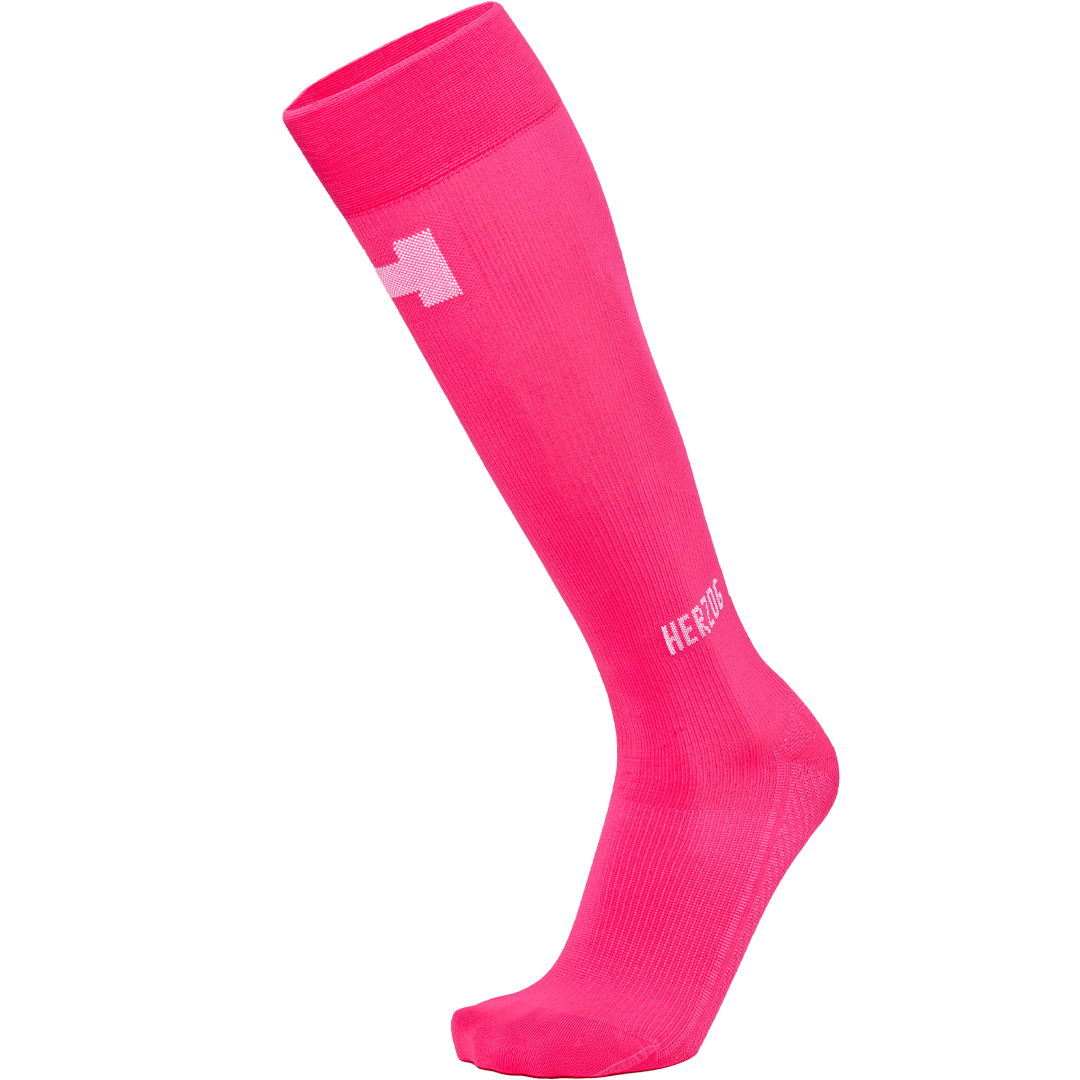
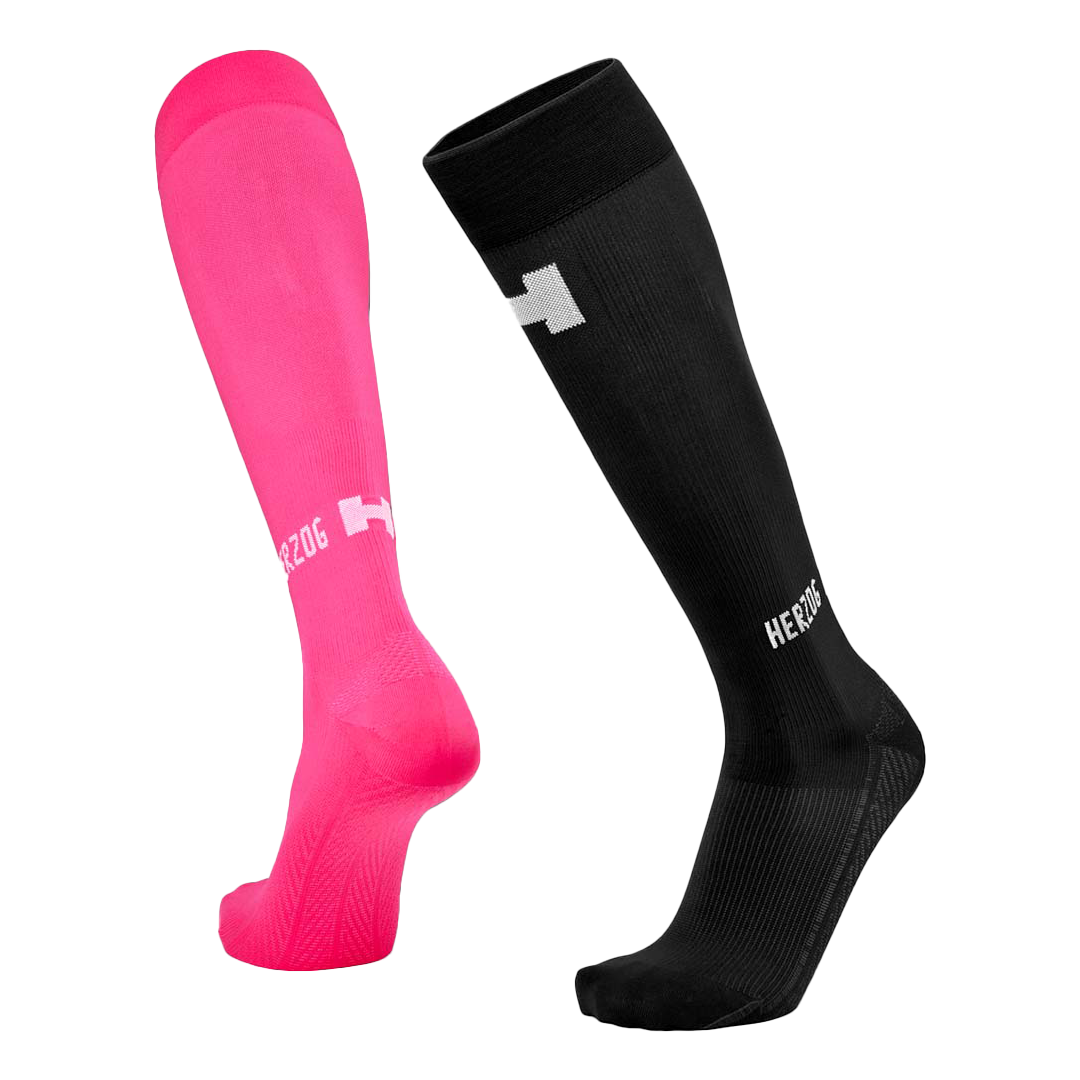
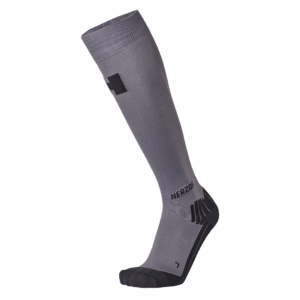
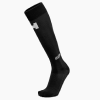
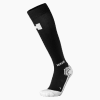
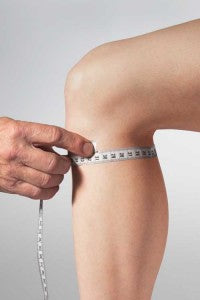
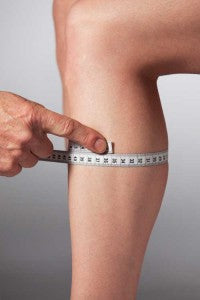
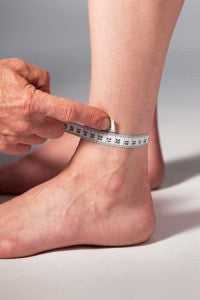
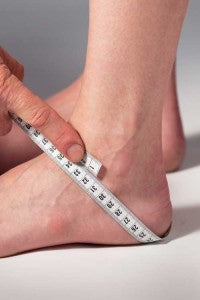
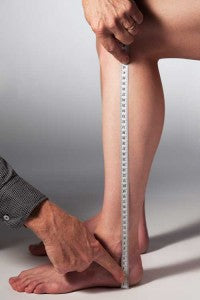
With Herzog PRO Compression Socks, this pressure is not applied as standard, but is individually measured at six measuring points along the lower leg. As a result, the pressure gradually decreases from ankle to knee, exactly as the body needs it during exertion. For runners who cover many miles on asphalt or unpaved trails, this difference can be noticeable in how their calf muscles feel during and after a training session.

Side Image

What does compression pressure actually do to your muscles during exercise?

When running, your calf muscles are constantly moving, and with each step, there's a slight vibration in the muscle tissue. Compression applies controlled pressure to the lower leg, limiting that vibration and allowing the muscles to move more stably. This can contribute to less fatigue during longer exertion, as the muscles lose less energy to unnecessary movement. The effect of compressionis therefore not just about a tight feeling, but about a mechanical effect that is noticeable as soon as you start moving, especially over longer distances or during intensive training.

With gradual compression, the pressure is highest around the ankle and gradually decreases towards the knee. This gradient supports the veins in returning blood to the heart, which becomes particularly noticeable during prolonged exertion such as a long endurance run or trail run. A sock that is equally tight everywhere lacks this gradient and can even be counterproductive by locally restricting blood flow. This is precisely why the build-up of pressure is at least as important as its strength, and this applies to every athlete looking for support during movement.

For athletes who more frequently experience calf problems, the correct compression pressure plays an extra important role. A sock that is too loose offers little support, while a sock that is too tight everywhere can hinder the muscles instead of helping them. Many runners recognize the feeling of heavy legs after a long endurance run, and controlled compression can contribute to less of that heavy feeling during the last kilometers. It's not about as much pressure as possible, but about pressure that matches the demands of that specific training.

Side Image

Why does medical compression work differently from a standard sports sock?

A standard sports sock is often equally elastic all over and has no built-up pressure distribution. This can feel comfortable, but it does not provide the same support as a stocking developed from medical compression technology. Herzog compression socks, on the other hand, are based on this medical background, which means that the pressure build-up is precisely controlled rather than randomly occurring due to the fabric's weave. For athletes who regularly train on varying surfaces, such as asphalt or unpaved trails in trail running, this precision makes more of a difference than you might initially think.

Herzog has been working on compression technology for over twenty years and supplies products to both athletes and healthcare professionals. This combination is no coincidence, as the principles behind Herzog's medical compression stockings are the same principles that can also benefit athletes during training and recovery. A physical therapist who works with compression daily looks at the same pressure build-up as a runner suffering from stiff calves after a marathon. The difference lies mainly in the application, not in the underlying technology that regulates the pressure.

After a tough training session or competition, recovery is just as important as the effort itself. Compression can play a role here, because controlled pressure supports blood circulation in the hours after exercise. Athletes who frequently suffer from an Achilles tendon injurysometimes notice that gentle compression after a training session contributes to a less stiff feeling the next day. This process mainly indicates how the body reacts to continuous, controlled pressure around the lower leg in the hours after exercise.

Products in this blog

Side Image

What do you consider when choosing the right compression pressure?

The correct compression pressure depends on the type of sport and the intensity of your training. Someone who goes runningthree times a week has different needs than someone who primarily goes on long bike rides. In cycling, the load on the lower leg is different than in running, because the pedaling motion engages different muscle groups. Therefore, it is difficult to identify a single standard pressure value that works for every sport and every athlete, and custom fitting is often a more logical starting point than a fixed size chart.

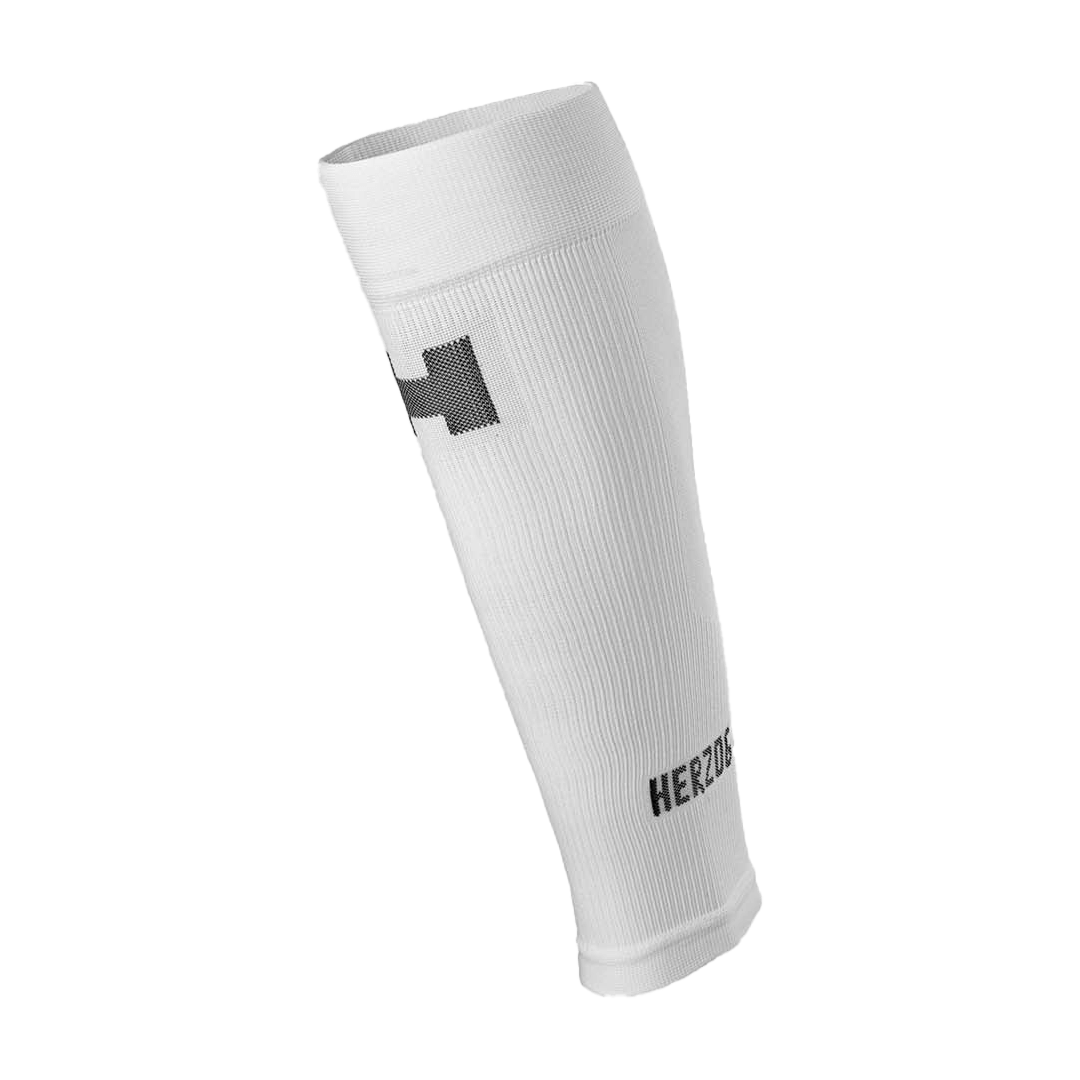
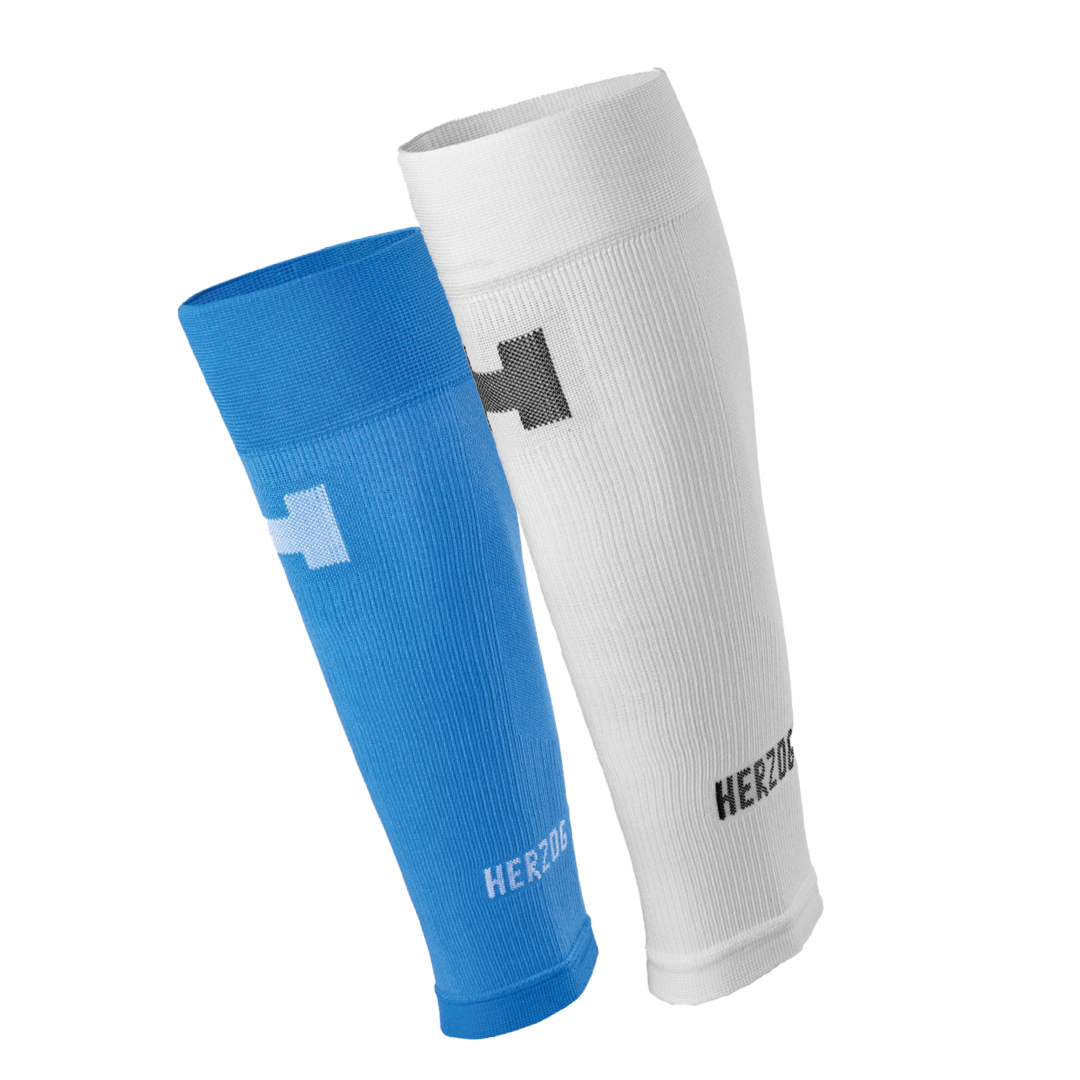
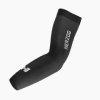
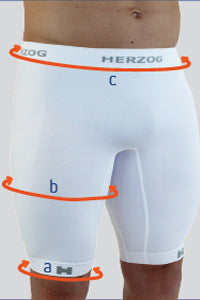
Herzog PRO Compression Socks and Herzog PRO Compression Tubes carry an MDR certification, meaning they comply with the requirements for medical devices. This certification refers to the way the controlled graduated pressure distribution is built and tested, not just the appearance of the sock. Because each sock is individually fitted at six measurement points, the pressure matches the shape of your lower leg instead of an average size. For athletes who find that standard sizes never fit quite right, this approach can make a clear difference in how the sock feels during exercise.

For complaints that go beyond ordinary muscle fatigue, it is important not to simply experiment with compression pressure on your own. Signals such as persistent swelling, painful veins, or a heavy feeling that does not subside after rest, may indicate something that requires further investigation. If you suspect varicose veinsor other vascular complaints, it is advisable to consult a general practitioner or specialist before starting to exercise with compression. For most athletes, it's about finding a pressure build-up that suits their own lower leg, and that's precisely where Herzog's years of experience with medical compression technology plays a role.

Frequently asked questions

What is the difference between sports compression and medical compression?

The main difference lies in the purpose and the way the pressure is built up. Sports compression often focuses on comfort during movement, while medical compression is developed based on a controlled pressure distribution that is precisely tailored to the lower leg. Both forms can overlap, especially when a stocking is worn during both sports and recovery.

Can I use regular sports socks for running instead of compression stockings?

You can, but a regular sports sock does not offer a built-up pressure distribution and therefore works differently from a compression stocking. For short, easy training sessions, this often makes little difference, but for longer distances or more intensive training sessions, many runners experience more support from a stocking with controlled compression.

When should I consult a specialist about compression during sports?

In case of persistent swelling, painful veins, or complaints that do not subside after rest, it is advisable to consult a general practitioner or specialist. This is especially true if varicose veins, thrombosis, or other vascular complaints are suspected, as compression must then be adjusted to the underlying situation.

Relevant blogs

6 Effective tips to prevent and relieve shin splints

Prevent and alleviate shin splints with 6 practical tips for runners. Less pain, faster recovery, and better training.

Treating Whiplash: 3-Phase Recovery with Compression and Cold Therapy

Recovering from a calf strain? Discover the 3 recovery phases and how compression and cold therapy can contribute to optimal and responsible recovery.

All about calf problems: causes, symptoms, and what you can do about them

Suffering from calf complaints? Read all about possible causes, common symptoms, recovery, and what you can do to prevent calf complaints.