Performing injury-free: Herzog Medical and Athletics Flanders share insights

Athletics demands a lot from muscles, tendons, and joints. Sprinting, jumping, and long-distance running cause repetitive strain on calves, Achilles tendons, and hamstrings. Many athletes and coaches therefore look for ways to support the body during training and recovery, so that injuries are prevented as much as possible and the build-up of training load can proceed gradually. Especially towards the competition season, when training intensity increases, the balance between load and recovery becomes more important.

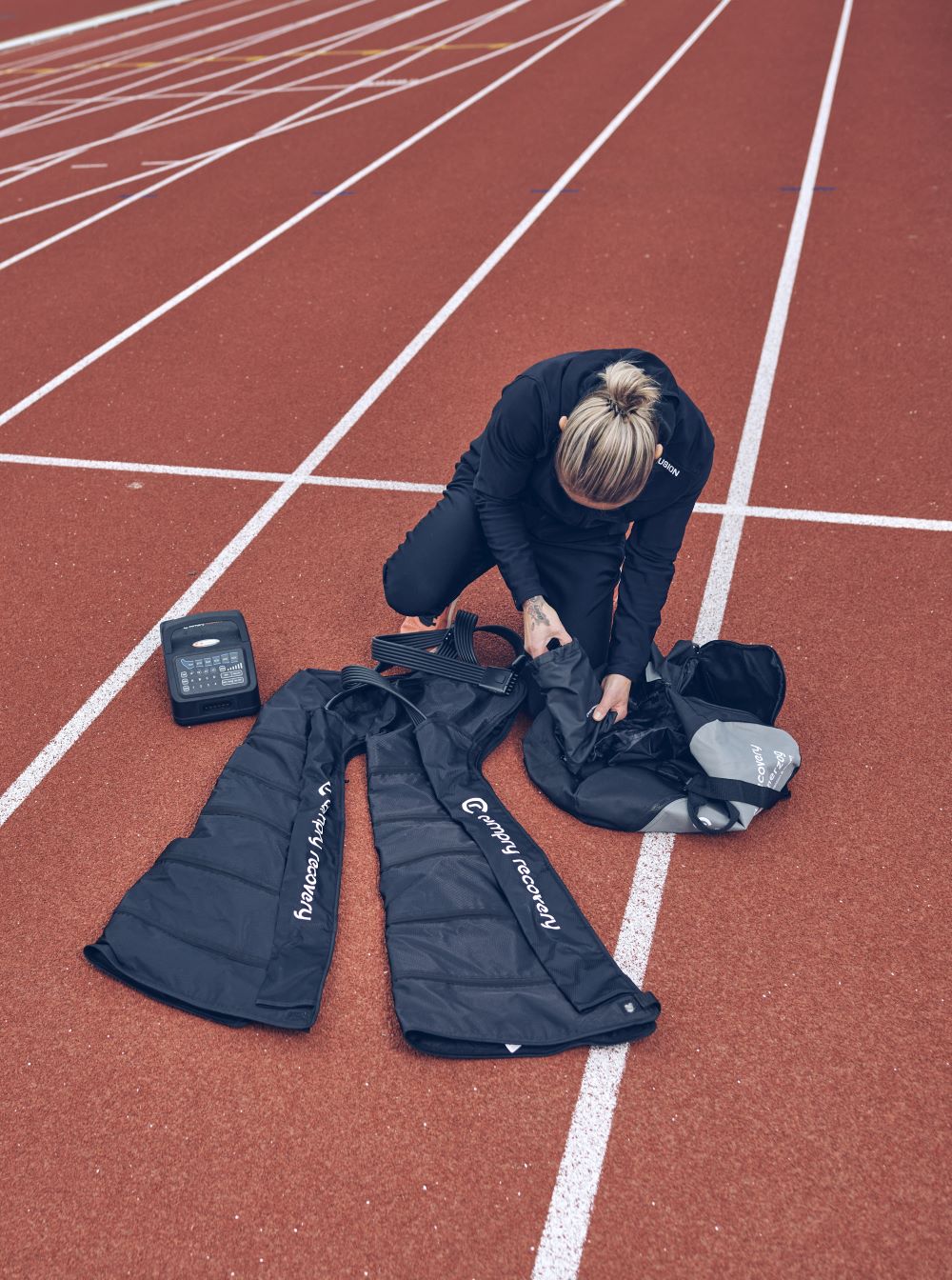
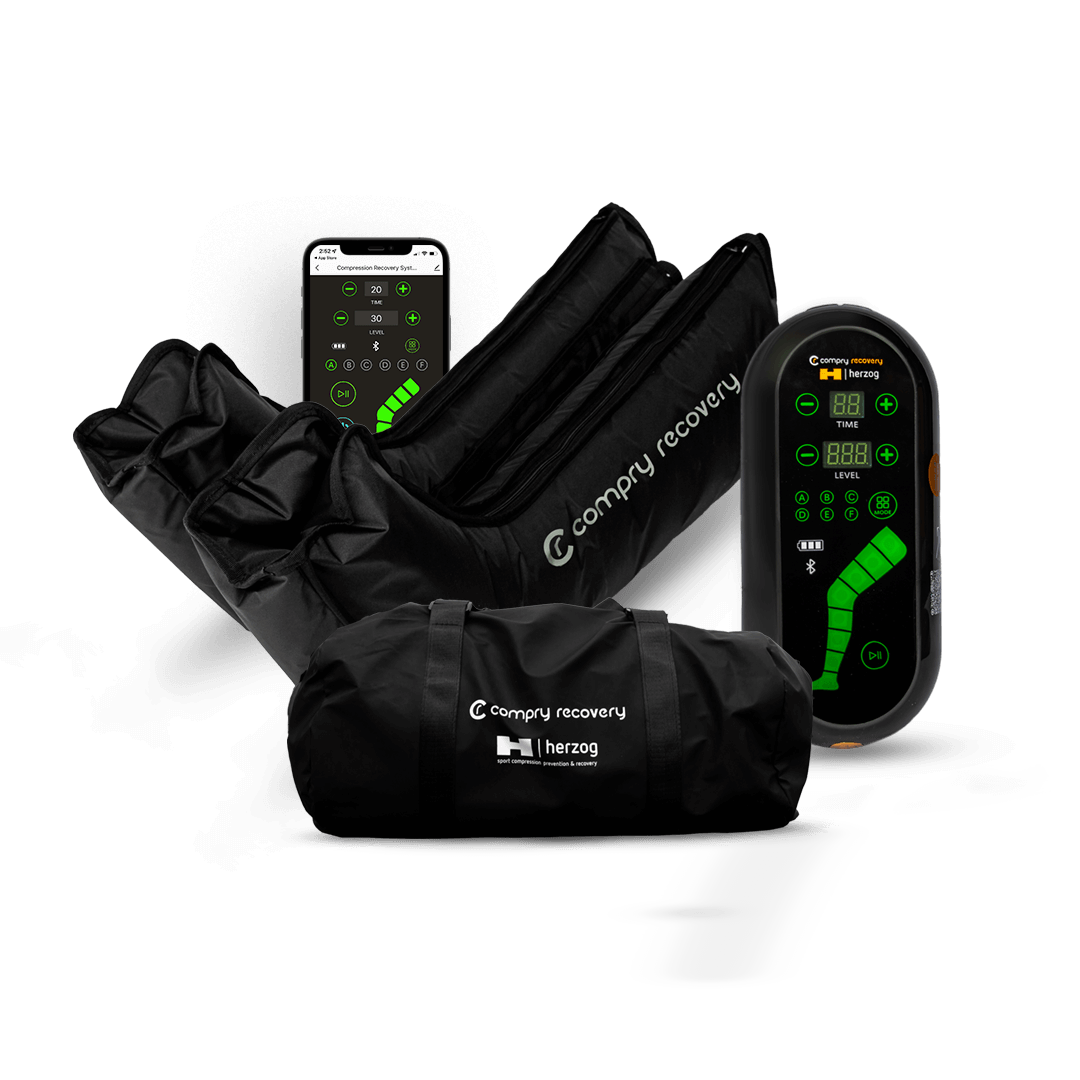
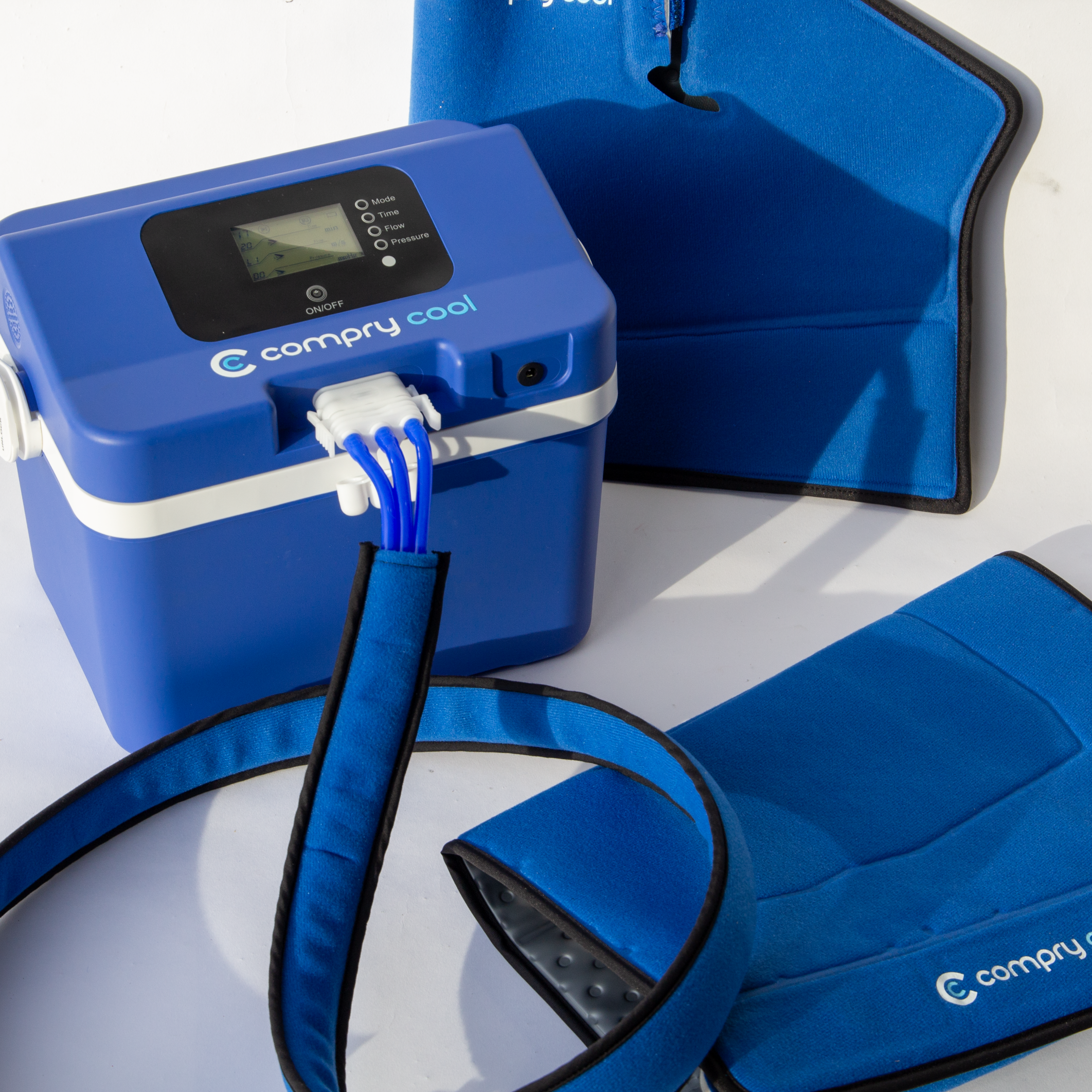
Herzog Medical therefore collaborates with Athletics Flanders to provide athletes and coaches with practical knowledge about recovery and support. During competitions and training days, Herzog uses compression products, such as Compry Cool after intense exercise, to help muscles cool down and support recovery. This collaboration shows how compression can play a role alongside training schedules and coaching. For coaches, this offers an additional tool within existing training guidance.

Side Image

What injuries are common among athletes?

In athletics, injuries often arise from repeated impact and rapid changes in direction.Calf painandshin splintsare common in runners who rapidly increase their training volume. Also,Achilles tendon injuriesorhamstring injuriesare frequently seen in sprinters and jumpers, where short, explosive movements heavily strain the tendon and muscle. These issues usually don't appear suddenly but build up over several training weeks, making it difficult to recognize them in time before they worsen. Therefore, trainers and physiotherapists closely monitor the buildup of training mileage and intensity throughout the season.

Overuse is one of the most common causes of injuries in athletics. When muscles don't get enough time to recover between training sessions, the risk of tissue damage increases. Incorrect running technique, uneven surfaces, or increasing mileage too quickly also play a role. In sprinting events, a calf muscle tear can sometimes occur, where a muscle fiber suddenly tears during an explosive action. Trainers therefore look for signs such as stiffness, slight swelling, or a dull ache that persists after exercise, so they can intervene in time.

In addition to muscle and tendon complaints, foot problems also occur, such as plantar fasciitis, where the stress from sprinting and jumping events puts pressure on the sole of the foot. Swollen ankles often result from a sprain or prolonged overuse of the ankle joint. These complaints not only limit training capacity, but also put pressure on preparation for competitions. It is therefore important for athletes to detect complaints early and adjust their training load accordingly in consultation with a trainer or sports medicine specialist.

Side Image

How can compression contribute to injury-free training and recovery?

Compression works by applying controlled pressure to muscles and blood vessels, thereby supporting blood circulation. This can contribute to legs feeling less heavy during and after exercise.The effect of compressionhas been extensively described, but in practice, many athletes notice that muscles vibrate less upon impact and that fatigue occurs somewhat more slowly. This can be relevant for runners and sprinters, as repeated impact on calves and ankles specifically contributes to overuse injuries. This makes compression interesting as a supplement to training schedules, not as a replacement for them.

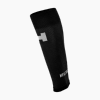
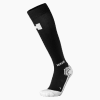
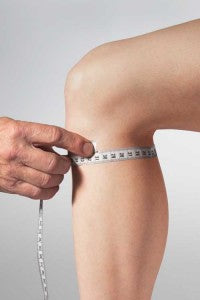
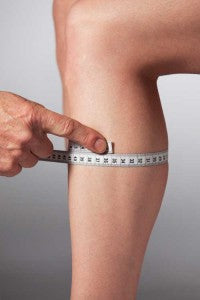
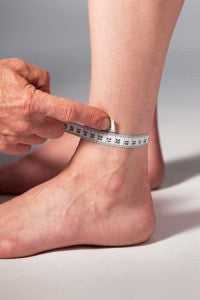
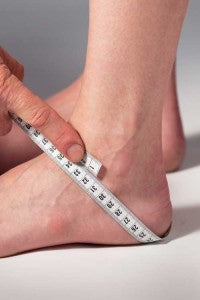
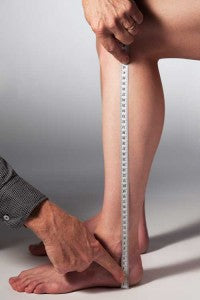
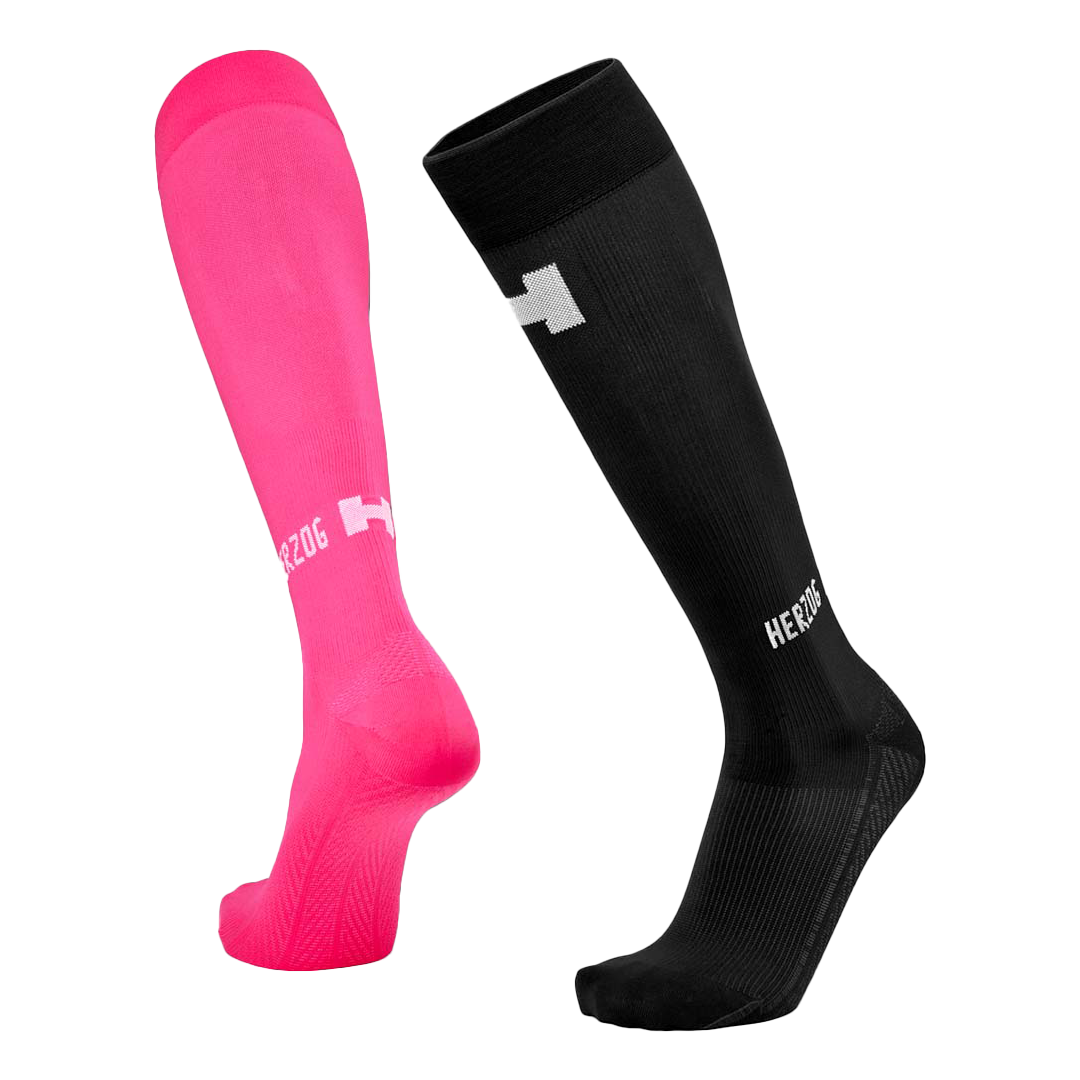
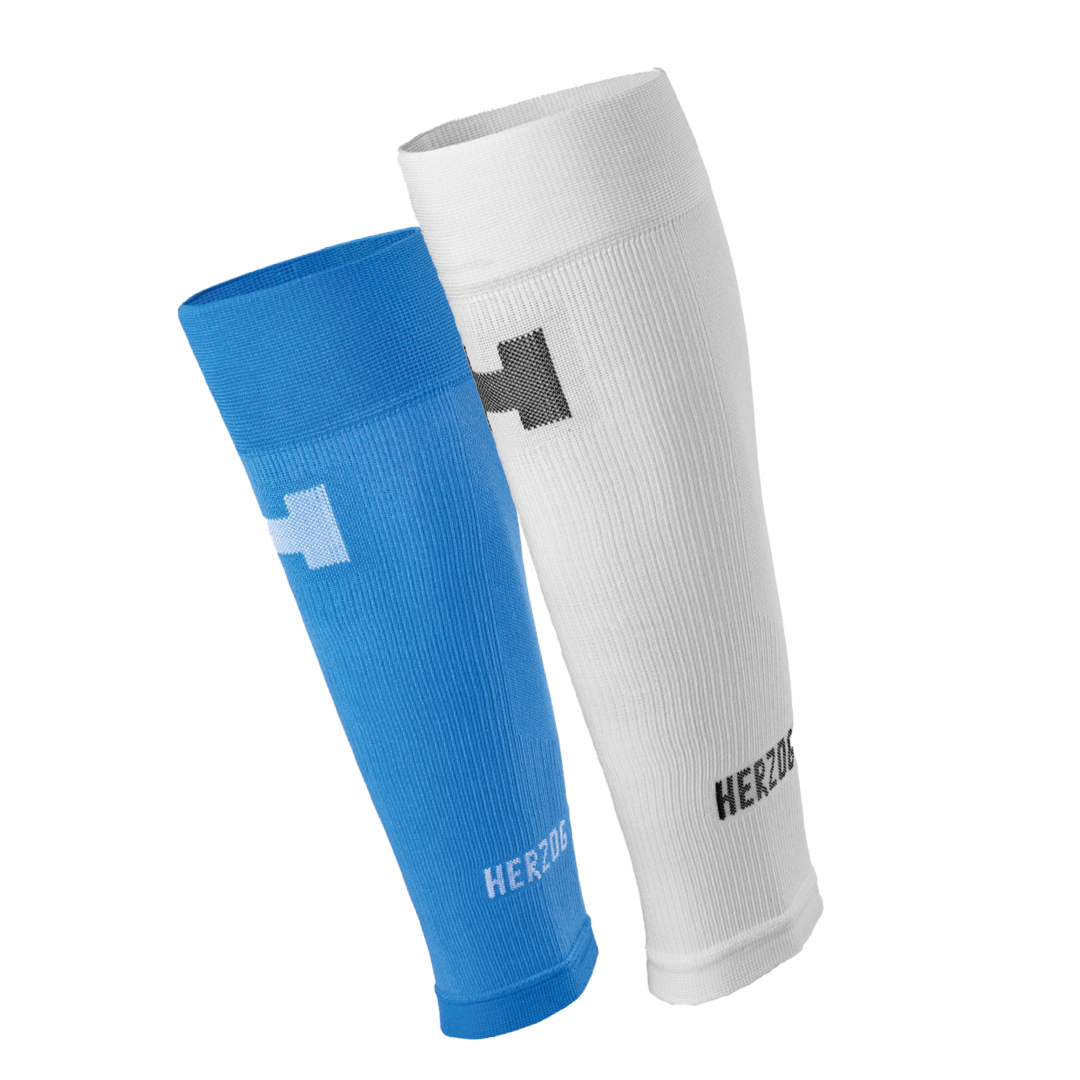
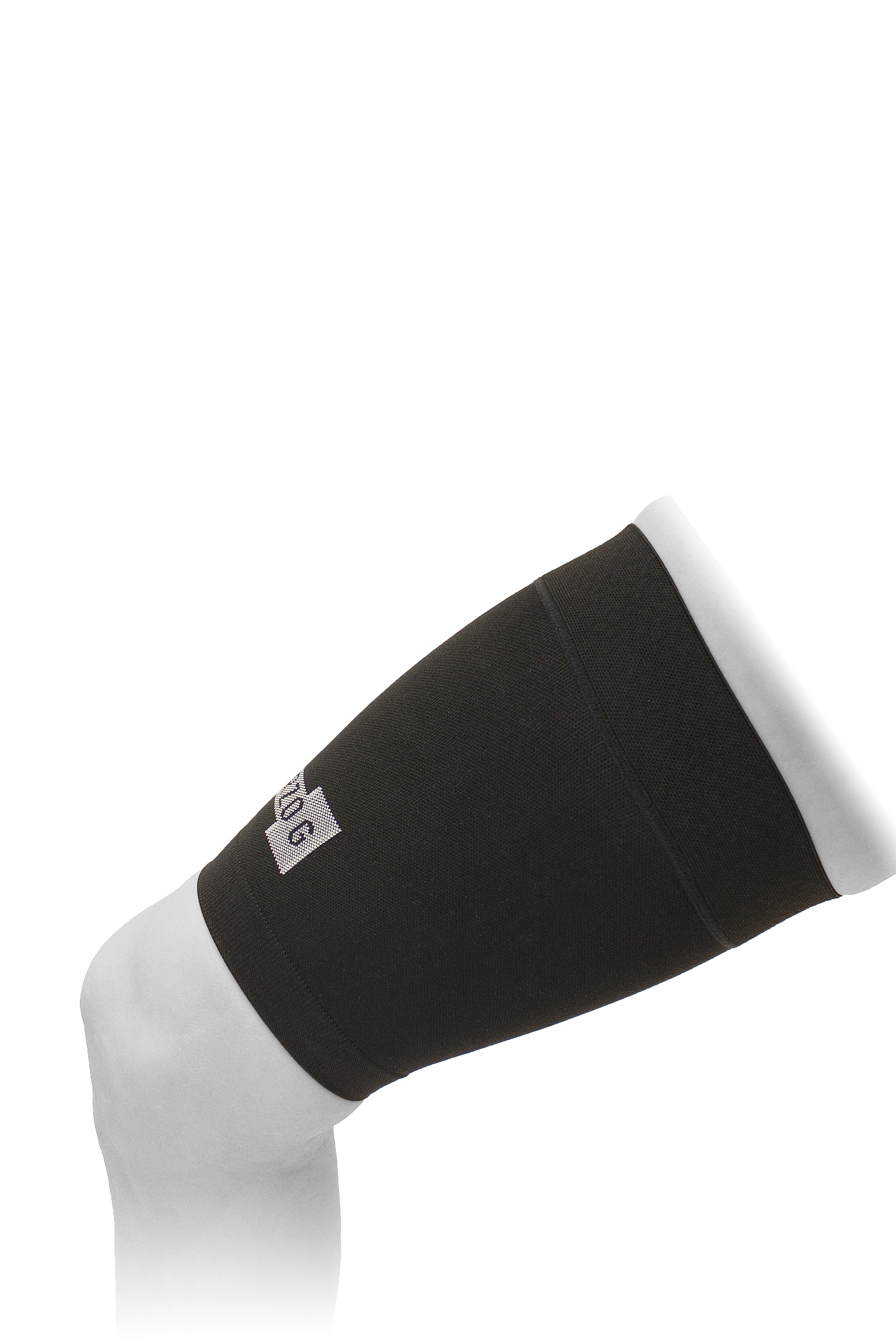
Herzog PRO Compression Socks and Herzog PRO Compression Tubes are developed based on medical compression technology and are custom-fitted at six measuring points, ensuring controlled and gradual pressure distribution. These products carry an MDR quality mark, meaning they comply with medical quality requirements. This distinguishes a Herzog sock from a standard compression sock from a sports store, where the fit is less precisely tailored to the individual leg profile. For athletes who cover many kilometers, this precision can make a difference in comfort during longer training sessions, especially in road races or on the track.

After a competition or strenuous training, recovery is just as important as the training itself. Recovery after exercise can contribute to a faster feeling of recovery in the lower legs, especially after endurance runs or interval training. Compry Cool is used here as cooling support immediately after exercise, while Herzog's medical compression socks further contribute to blood circulation in the hours thereafter. This combination of cooling and compression aligns with how Athletics Flanders advises athletes on recovery routines after intensive training blocks, so that the body can optimally recover for the next training session.

Products in this blog

Compry Cool
€750,00
Compry Cool
€750,00
Side Image

What does the collaboration between Herzog Medical and Atletiek Vlaanderen look like?

Within the collaboration between Herzog Medical and Atletiek Vlaanderen, knowledge about recovery and injury prevention is shared with coaches and athletes at different levels. Herzog supports this with over twenty years of experience in compression technology, which is applied to both athletes and healthcare professionals. During clinics and information sessions, athletes are informed about when compression can help and when other measures, such as adjusted training or rest, are more appropriate. This knowledge sharing meets the need of clubs to structurally reduce injuries within their training groups.

On competition days, Atletiek Vlaanderen, in collaboration with Herzog, uses Compry Cool for athletes who suffer from an unstable ankle joint or slight swelling after a sprint event. The bandage supports the joint, while the cooling effect helps to limit acute swelling immediately after a fall or sprain. For longer distances, such as long-distance runs on the track or on the road, Herzog compression socks are more often considered due to the longer wearing time during exercise.

Frequently asked questions

Can compression prevent injuries in athletics?

Compression can contribute to improved blood circulation and less heavy-feeling muscles, but it does not prevent injuries on its own. Proper training progression, sufficient rest, and the correct running technique remain the foundation. Compression is seen as additional support alongside these factors.

When should I consult a general practitioner or specialist for injury complaints?

In case of persistent swelling, pain that does not decrease with rest, or a suspicion of thrombosis, varicose veins, or edema, always consult a general practitioner or specialist. Applying compression yourself is then not sufficient and does not replace a medical assessment.

What is the difference between a standard compression sock and a Herzog PRO Compression Sock?

A Herzog PRO Compression Sock is custom-fitted at six measurement points, ensuring controlled and gradual pressure distribution. This product carries an MDR certification mark, whereas a standard sock is usually sold in fixed sizes without this medical certification.

Relevant blogs

6 Effective tips to prevent and relieve shin splints

Prevent and alleviate shin splints with 6 practical tips for runners. Less pain, faster recovery, and better training.

Treating Whiplash: 3-Phase Recovery with Compression and Cold Therapy

Recovering from a calf strain? Discover the 3 recovery phases and how compression and cold therapy can contribute to optimal and responsible recovery.

All about calf problems: causes, symptoms, and what you can do about them

Suffering from calf complaints? Read all about possible causes, common symptoms, recovery, and what you can do to prevent calf complaints.