Running in the cold: tips to prevent calf injuries

In winter, motivation to keep running often drops quickly, especially when the days are short and temperatures dip below freezing. Yet, exercise remains important, as a run stimulates endorphin production and keeps you fit. Cold muscles react differently than warm muscles. They are stiffer, less flexible, and can be more easily overstrained, which is why calf problems are more common in winter than in other seasons.

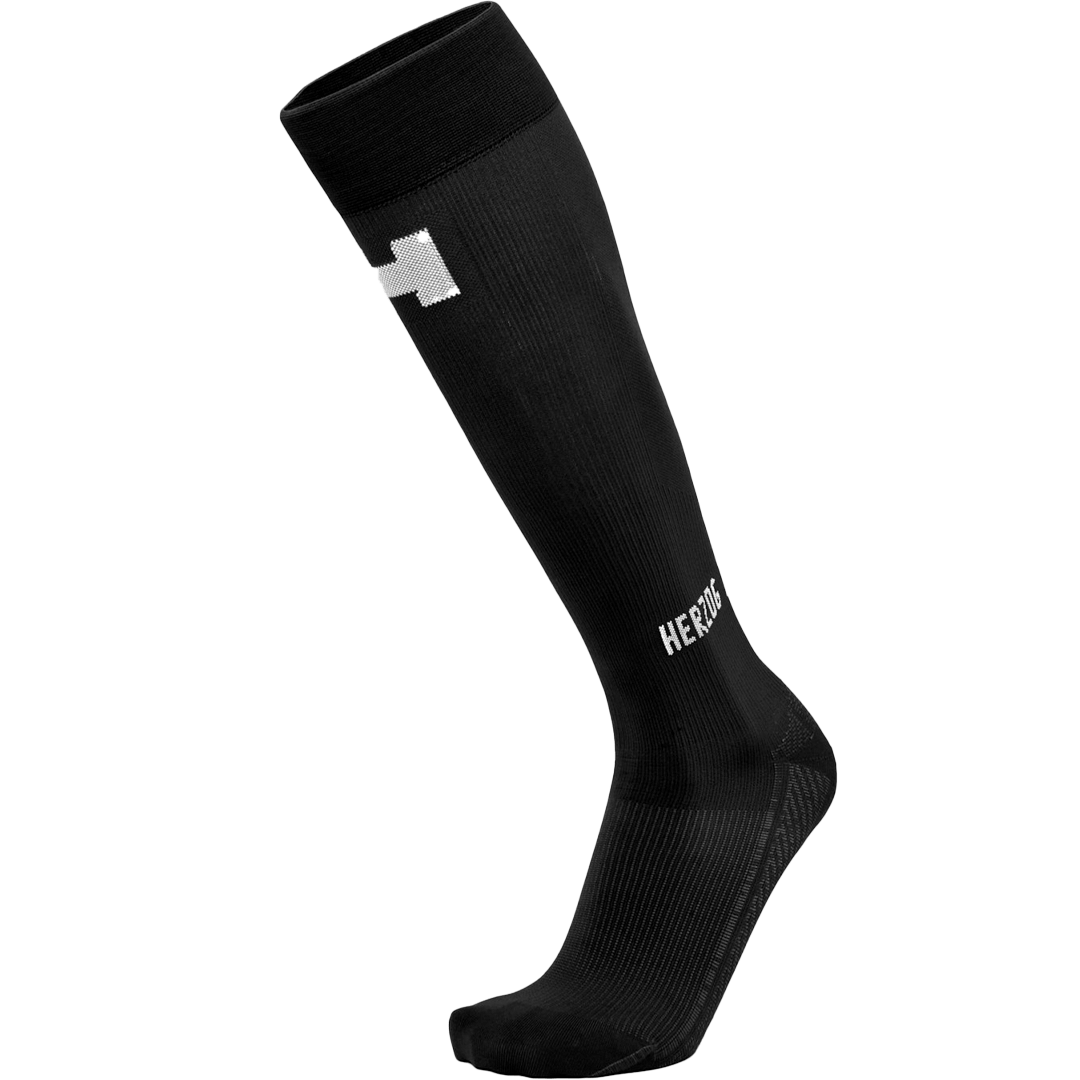
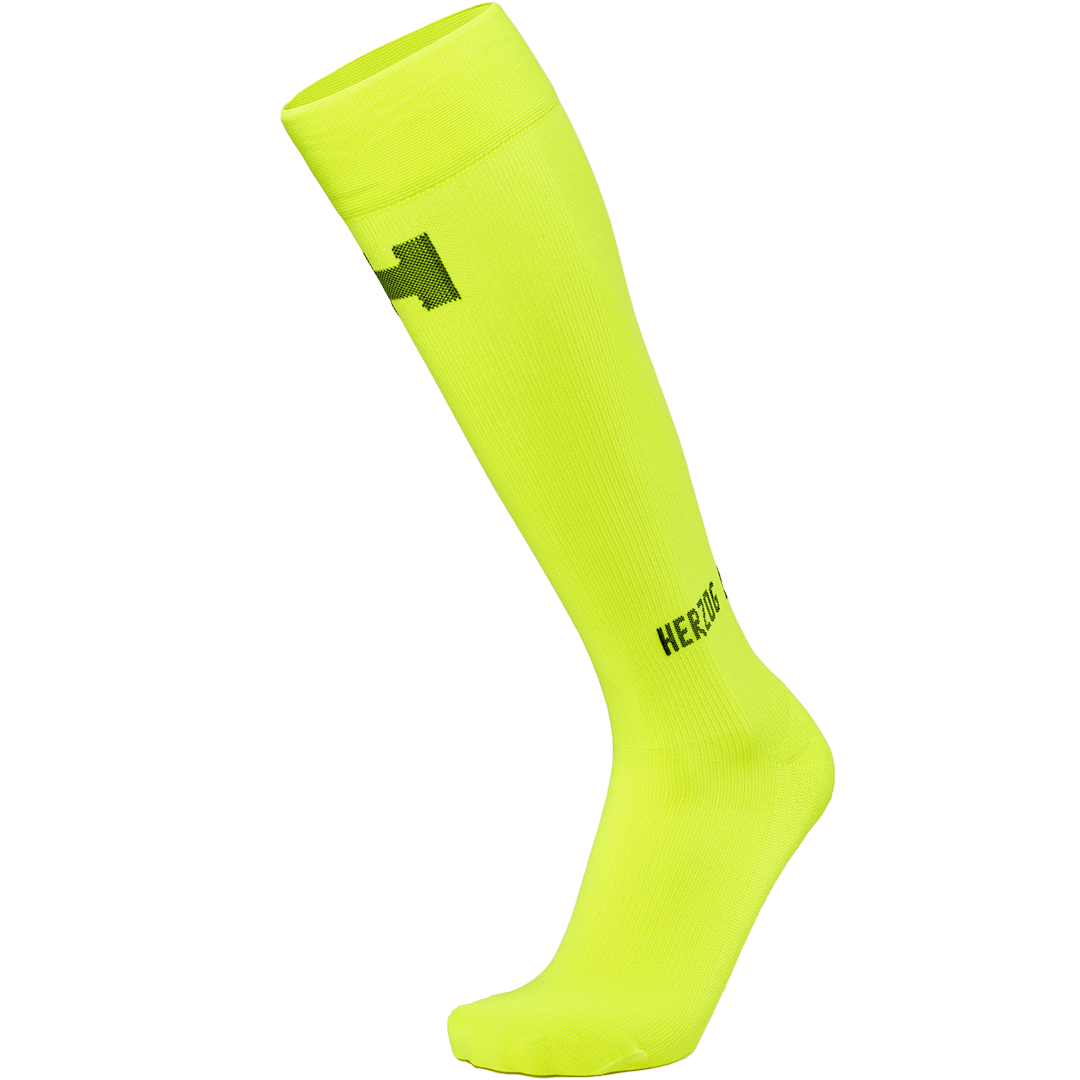
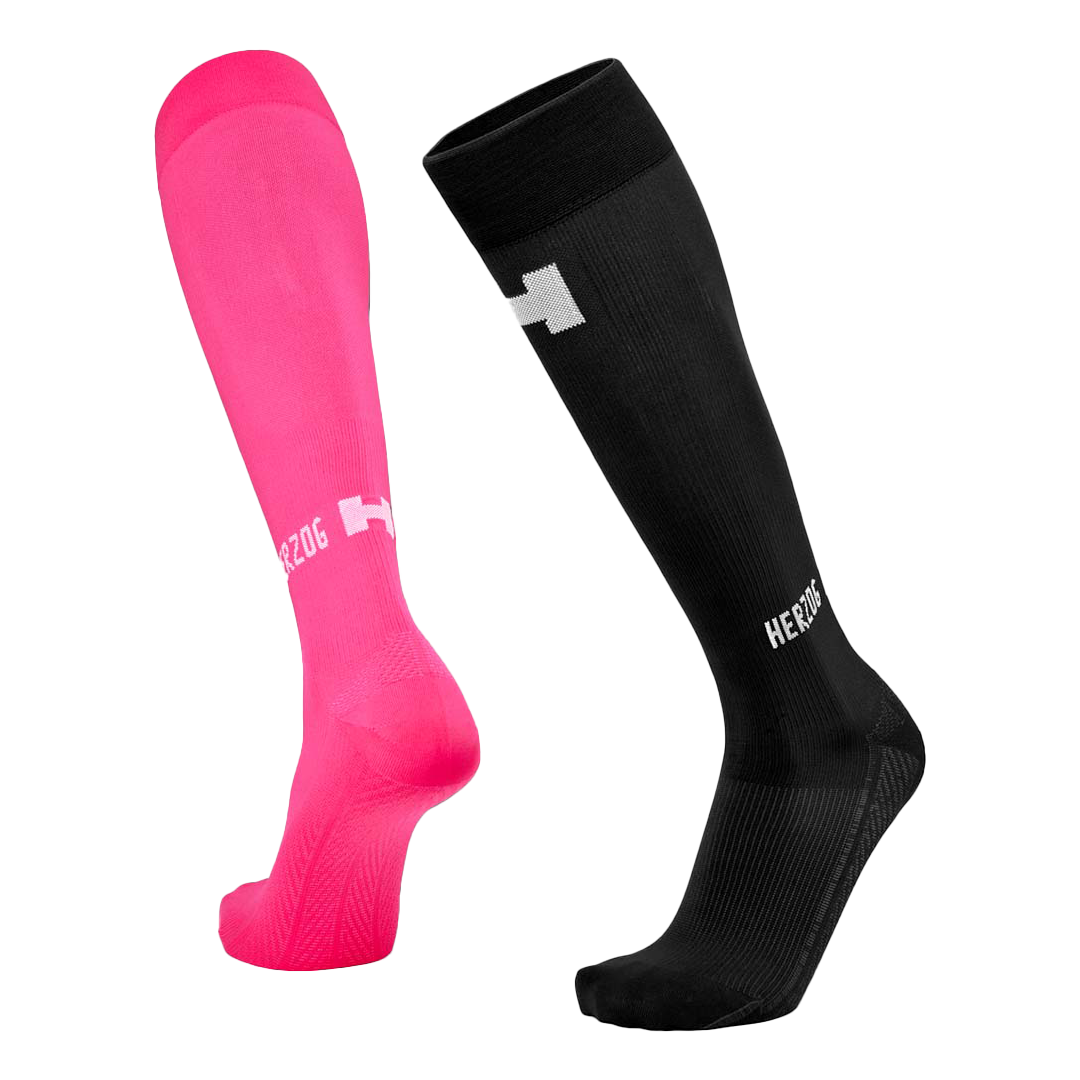
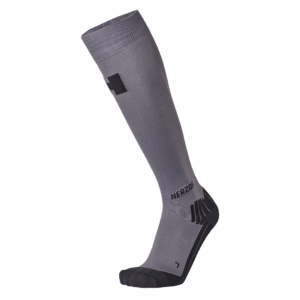
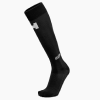
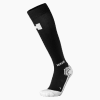
Many runners notice that their calves feel more like tight, about-to-snap elastic in the cold. At Herzog, we see that runners more often opt for extra support during their training in this period, for example with Herzog PRO Compression Socks, which carry an MDR certification as a medical device and can stimulate blood circulation. This can contribute to a more comfortable feeling in your calves while running in the cold.


Side Image

Why is the risk of calf injuries greater in winter?

In low temperatures, the blood vessels in your legs constrict, reducing blood flow to your calf muscle. This means your muscle receives less oxygen and nutrients at a time when you are demanding more from your body. A calf muscle with suboptimal blood flow is stiffer and less elastic than a warm muscle. This leads to quicker overuse, especially if you start at a brisk pace immediately without a gradual build-up.

The way you warm up also changes in winter. Many runners skip the warm-up because they find it too cold to stand still outside, or they start at a high pace immediately to get warm. This approach, precisely, increases the risk of calf problems, as the muscle doesn't get a chance to gradually reach temperature. Wind and damp cold further amplify this effect, causing muscles to cool down faster between intervals or during a short stop.

What starts as slight tension in the calf can develop into a more serious injury with repeated training. This could be a calf strain, where the muscle fiber suddenly tears, or complaints that radiate to the Achilles tendon. An Achilles tendon injuryoften occurs because the calf muscle has been overloaded for a long time without any intervention. It is therefore important to take minor signals seriously before they escalate.

Side Image

How do you recognize the signs of calf problems in time?

A tingling sensation in your calf while running is often the first sign that your muscle is under strain. Some runners describe it as a slight pull, others feel a dull pressure that slowly increases during the run. These types of complaints are often ignored because they are not immediately painful, but they are a sign that your muscle is struggling to keep up with the load. If you don't respond to this, the tension can build up into a real strain.

A calf tear feels completely different. From one moment to the next, a sharp, stabbing pain arises in the calf, often described as a snap in the muscle. Continuing to run is not an option at that point, because the muscle fiber is already damaged. This clearly distinguishes itself from calf problemsthat build up gradually. In the case of a calf tear, stopping immediately, cooling, and resting are the correct first steps, and if in doubt, it is wise to consult a doctor or physical therapist.

Stiffness that does not go away after a training session also deserves attention. While normal muscle pain subsides after a day or two, the tension in an incipient injury often persists or even increases during the next training session. This can be a sign that small damages have already occurred in the muscle tissue. Complaints that you first attributed to a common shin splintmay then turn out to be deeper in the calf muscle and require a different approach.

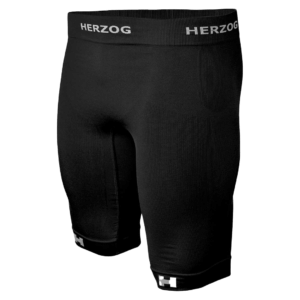
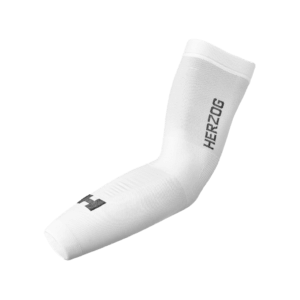
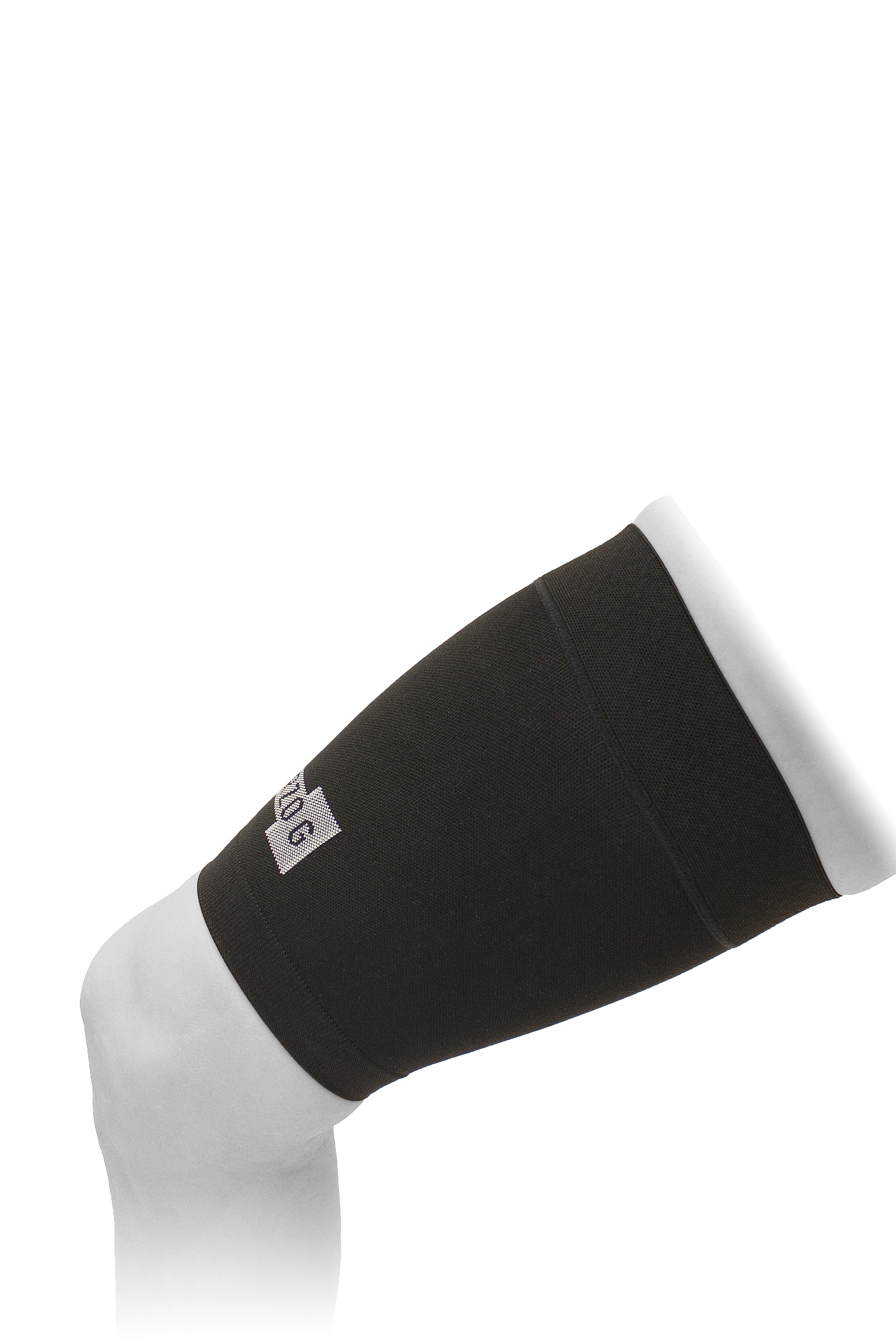
Products in this blog

Side Image

What can you do to protect your calves during running?

Preferably start your warm-up indoors, or at least out of the wind, so that your muscles are already somewhat warmed up before you start outside. Dynamic exercises such as calf raises, lunges, and gentle hops activate blood circulation better than static stretching. Gradually build up your pace during the first kilometer instead of going all out immediately. This gives your calf muscle a chance to gradually increase in intensity, rather than going from a standstill to full load.

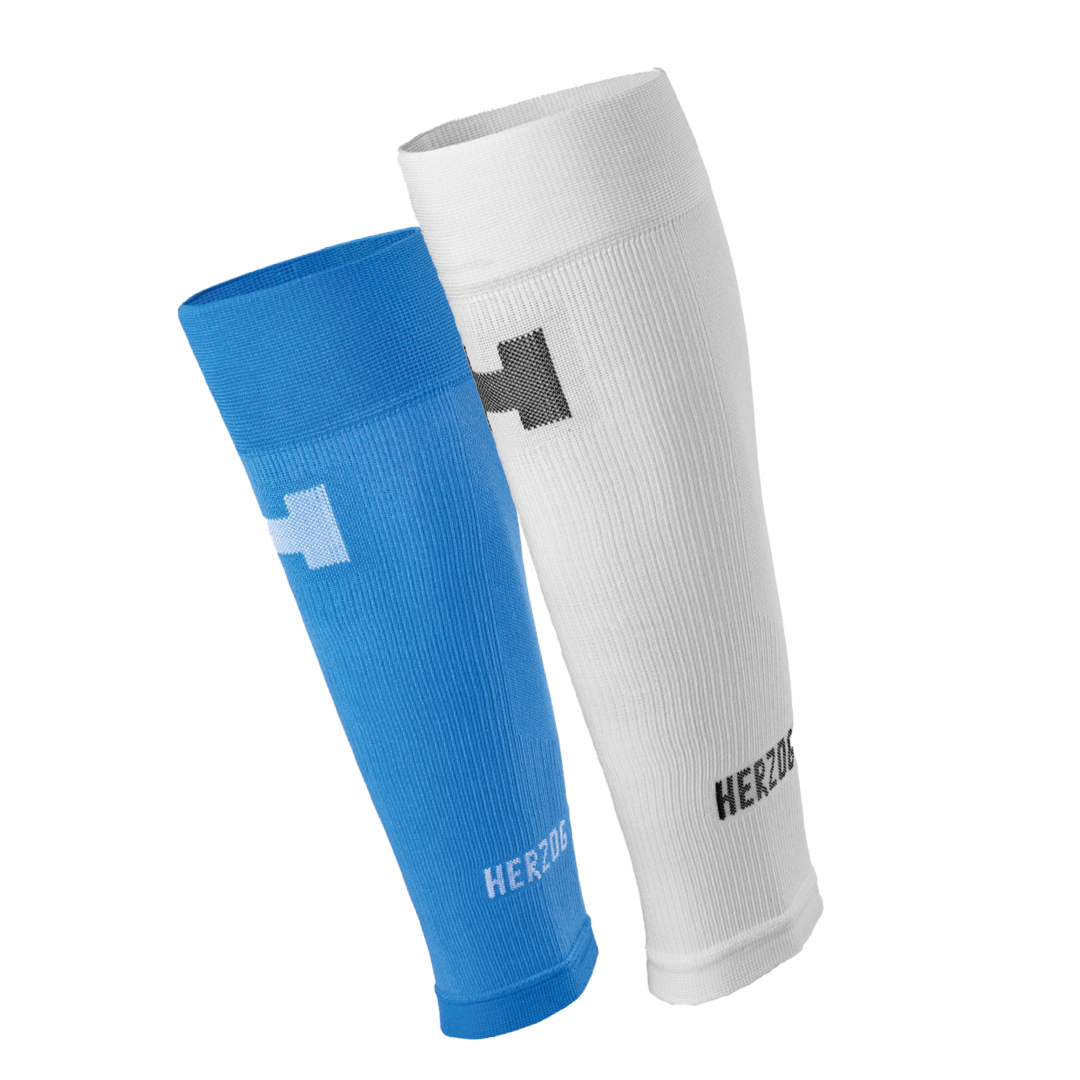
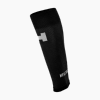
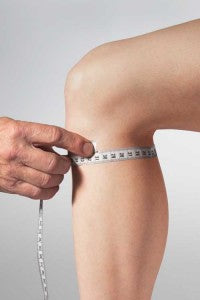
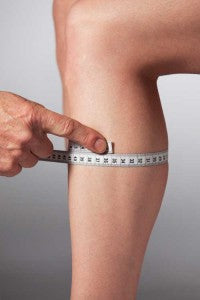
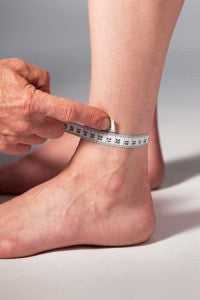
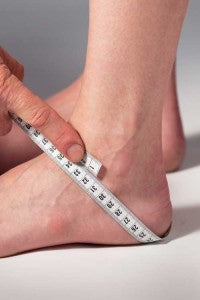
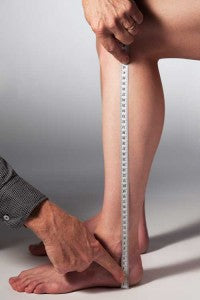
During running, compression can contribute to better blood circulation in the calf muscle, which is especially relevant in cold conditions. The effect of compressioninvolves controlled pressure that gradually decreases from the ankle towards the knee, making it easier for blood to flow back to the heart. Herzog custom compression socks are individually fitted at six measurement points, ensuring the pressure distribution precisely matches the shape of your lower leg, unlike a standard elastic sock that applies the same pressure everywhere. This type of construction is used by both athletes and healthcare professionals during exercise and recovery.

After running, recovery is just as important as the warm-up beforehand. Calf muscles that have worked hard in the cold need time to relax again. A gentle cool-down, some stretching, and elevating your legs supports this process. Herzog's compression technology has been developed over the past twenty years from both the sports world and healthcare, and translates into products that are tailored to what a calf muscle needs during exertion and recovery. That makes the difference between a sock that only provides warmth and a sock that actually contributes to blood circulation.

Frequently asked questions

Why do my calves bother me more often when running in winter?

Cold causes blood vessels to constrict and muscles to receive less blood flow, making them stiffer and less elastic. Many runners also skip their warm-up due to the cold, which increases the risk of calf muscle overuse.

What is the difference between a calf strain and a calf tear?

A strain usually develops gradually, with a tingling or pulling sensation that increases during running. A tear, on the other hand, occurs suddenly, with a sharp, stabbing pain that makes it impossible to continue running.

Can compression help reduce calf problems when running in the cold?

Compression can support blood flow to the calf muscle, which some runners find pleasant during cold weather training. It is not a guarantee against injuries, and for persistent or recurring problems, it is advisable to consult a doctor or physical therapist.

Relevant blogs

6 Effective tips to prevent and relieve shin splints

Prevent and alleviate shin splints with 6 practical tips for runners. Less pain, faster recovery, and better training.

Treating Whiplash: 3-Phase Recovery with Compression and Cold Therapy

Recovering from a calf strain? Discover the 3 recovery phases and how compression and cold therapy can contribute to optimal and responsible recovery.

All about calf problems: causes, symptoms, and what you can do about them

Suffering from calf complaints? Read all about possible causes, common symptoms, recovery, and what you can do to prevent calf complaints.